SM unveils new strategy, boy group debut amid key departures
전체 맥락을 이해하기 위해서는 본문 보기를 권장합니다.
Online, fans were quick to note the similarities, commenting that the songs sound like a "typical SM track."
"Rebranding could serve as an opportunity for SM, not a risk. It can be a chance to reaffirm what made the agency so influential in the first place and rethink how that can work to evolve for the next K-pop generation."
이 글자크기로 변경됩니다.
(예시) 가장 빠른 뉴스가 있고 다양한 정보, 쌍방향 소통이 숨쉬는 다음뉴스를 만나보세요. 다음뉴스는 국내외 주요이슈와 실시간 속보, 문화생활 및 다양한 분야의 뉴스를 입체적으로 전달하고 있습니다.

SM Entertainment on Tuesday unveiled a new musical and business strategy ahead of its 30th anniversary. The move likely seeks to address concerns over the agency’s creative direction following the departures of key figures who helped shape its sound and identity.
As part of its new roadmap, dubbed SM Next 3.0, the company announced it would transition from its multi-production structure to a new “multi-creative” system, which aims to place artists and creative professionals at the center of its operations. Rather than having fixed internal teams, SM says it will now assign creators based on each artist’s evolving vision and conceptual needs.
SM also confirmed that a new boy group is set to debut in 2026, with its members expected to include trainees currently referred to as “SMTR25.” The agency will introduce them through a new reality show titled “Reply High School,” set to premiere later this year.

Other pillars of SM’s updated strategy involve expanding its global partnerships — including upcoming collaborations with Tencent Music Entertainment in China and True in Thailand — and leveraging AI to personalize fan experiences, such as using data to recommend optimal songs from its vast catalog.
“SM Next 3.0 is not a departure from what the company stands for, but an evolution,” said SM Entertainment. “By combining our musical foundation with technology, platforms and people-centered innovation, we plan to accelerate sustainable growth and solidify SM’s position as a global leader.”
The announcement comes at a pivotal moment for SM, with some arguing the company is facing an identity crisis.
SM last week confirmed that BoA, its longest-standing artist and one of its foundational figures, has officially parted ways with the agency after 25 years. Her exit marked the end of a chapter not only for BoA, but also for SM’s original creative core. Several other foundational members have exited the agency in recent years, most notably founder and former chief producer Lee Soo-man and longtime composer-producer Yoo Young-jin.
Many long-time K-pop listeners and fans of SM’s iconic sound and style are beginning to question the direction SM will begin to take from here.
Lee, who founded SM Entertainment and shaped its sound from H.O.T. through Aespa, launched a new agency, A2O Entertainment, after leaving the company in 2023. Yoo later joined the venture to help guide Lee’s future musical direction. Under A2O, Lee is working with a new girl group, A2O May, based in China, and has said a boy group is also slated to debut later this year.

BoA’s exit is expected to cause as much impact as Lee and Yoo’s exit — not only because she was SM’s flagship soloist, but also because she served as executive producer of rookie boy group NCT Wish, overseeing everything from their concept and stage design to recording and production.
Many NCT fans, as well as avid K-pop listeners, credited her for maintaining continuity between the classic SM sound and style many SM fans love and the agency's current trajectory post-Lee Soo-man.
Legacy continues outside of SM
Apart from veteran producer Kenzie, much of SM’s core creative team has moved beyond the agency. Meanwhile, fans are starting to note that the “SM sound” — polished vocals, myth-heavy lore, and experimental genre blending — is resurfacing elsewhere.
Rookie boy group Alpha Drive One, which debuted under WakeOne on Jan. 12, is one example.
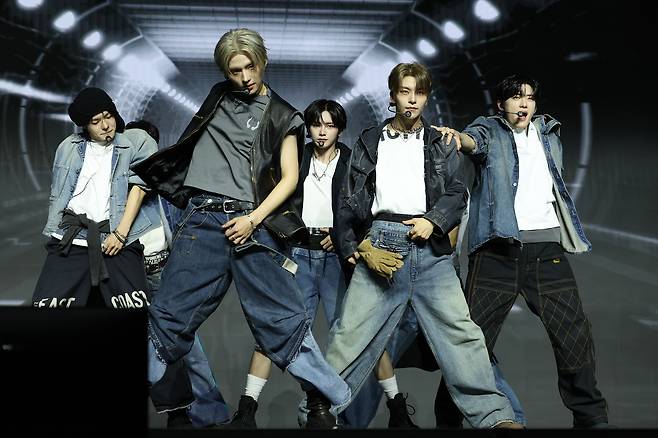
Led by new executive lead, Nam So-young — who formerly led BoA’s Japan activities at SM Japan — WakeOne restructured the label ahead of Alpha Drive One’s launch. Their debut track, “Freak Alarm,” as well as B-sides like “Raw Flame” and “Cinnamon Shake,” were crafted by composers and writers long associated with SM idols such as NCT 127 and Riize.
Online, fans were quick to note the similarities, commenting that the songs sound like a “typical SM track.”
With its original creative core gone, SM now faces the challenge of defining what makes its music, as well as its artists, distinct in today’s multi-label K-pop ecosystem.
“SM Entertainment’s legacy isn’t just built on hits. It’s built on its own form of artistry that confused casual listeners but also captivated loyal fans. SM didn’t just ride on trending sounds; it invented them,” explained music critic Lim Hee-yun.
“In a new era without its founding members, (SM) shouldn’t just try to replicate the classic SM sound, but should also not be afraid to take its own creative risks.”

However, Lim added that SM Entertainment must clarify where it stands in a multi-label era and take risks where necessary.
“The SM system used to mean something specific, like polished vocals, experimental beats and myth-heavy worldbuilding. But all of that is close to absent now,” said Lim.
“Rebranding could serve as an opportunity for SM, not a risk. It can be a chance to reaffirm what made the agency so influential in the first place and rethink how that can work to evolve for the next K-pop generation.”
Copyright © 코리아헤럴드. 무단전재 및 재배포 금지.