‘Culinary Class Wars’ Season 2 stars bring TV heat to everyday tables
The cameras have stopped rolling on Netflix’s hit cooking competition “Culinary Class Wars” Season 2, but its flavors are here to stay.
Chefs who once battled for supremacy under studio lights are now shaping meals at home, in convenience stores and at supermarket counters. Dishes born in the show's high-pressure cook-offs are influencing food trends nationwide as they are transformed into ready-to-eat meals and even premium spirits.
The phenomenon traces back to the first season, when runner-up Edward Lee emerged as a culinary pop icon. His collaboration dishes sold out within minutes, and a convenience-store line spanning savory meals, desserts and drinks sold more than a million units. Viewers did not just want to see the food. They wanted to taste it.
That appetite has only intensified with Season 2.
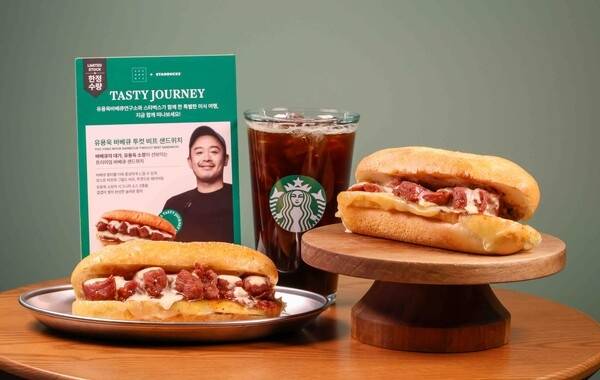
At Starbucks, lines formed for a limited-edition sandwich created in collaboration with Chef Yoo Yong-wook, known for his meticulous barbecue technique. Despite its premium price of 14,500 won, the smoky, double-cut beef sandwich triggered early-morning “open-run” crowds, prompting the chain to double the number of participating stores.
Convenience stores, long a barometer of everyday food trends, have become the main stage for this chef-to-consumer migration. Boxed meals, kimbap, porridge and dumplings inspired by standout contestants have appeared in quick succession, some recreating the very dishes that captivated viewers on screen.
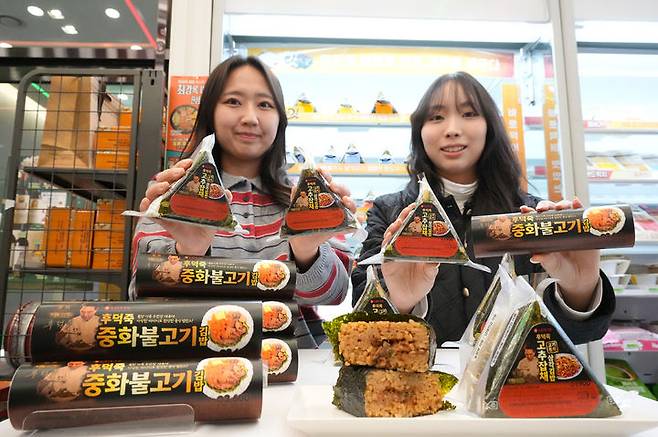
Seven-Eleven, for example, released a small-batch distilled soju developed with the show’s champion, Choi Kang-rok, selling out its initial run within days. The retailer has since expanded production and followed up with Chinese-style ready meals created with Hu Deok-juk, who ranked among the top finishers.
Emart24 said a lunchbox series developed with Chef Son Jong-won surpassed 300,000 units in just over a month, becoming the fastest-selling chef collaboration in its history. CU has introduced porridge and dumplings based on competition dishes with Chef Kim Ho-yoon, and plans to roll out more “broadcast-born” recipes.
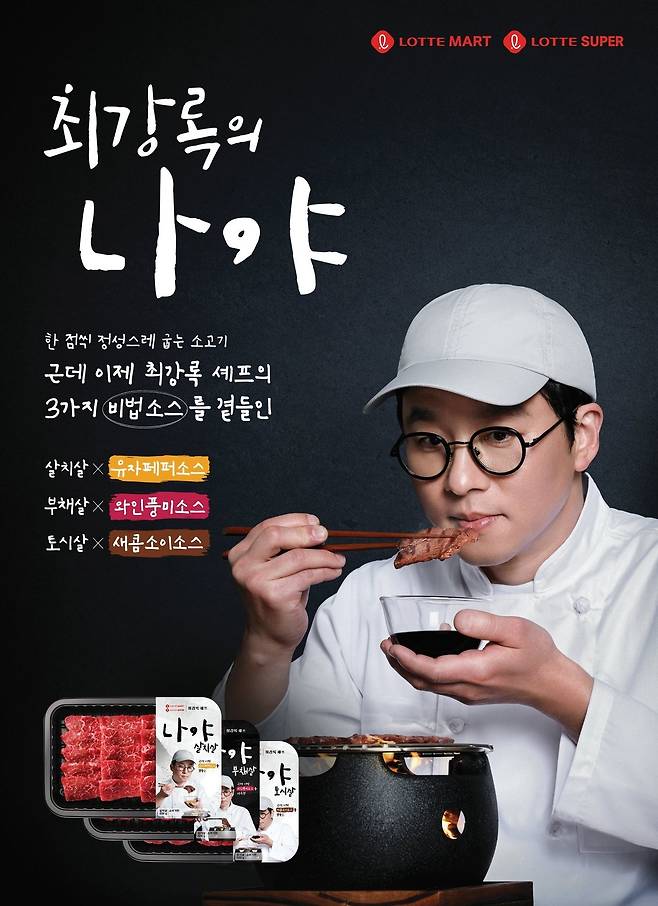
Traditional supermarkets and home-shopping channels have joined the wave as well. Premium meat sets, noodle dishes and classic soups bearing the names and recipes of television chefs have turned holiday gift lists and televised sales into extensions of the show’s culinary narrative.
Food industry observers say the appeal lies in the blend of familiarity and aspiration. The dishes are approachable enough for a weeknight meal, yet carry the authority of chefs who proved their skills under competitive scrutiny.
For Korean consumers, the next big flavor may no longer be discovered at a new restaurant opening, but on the store shelf the very next week.
Copyright © 코리아헤럴드. 무단전재 및 재배포 금지.