Samsung, SK hynix to hand out record bonuses on memory windfall
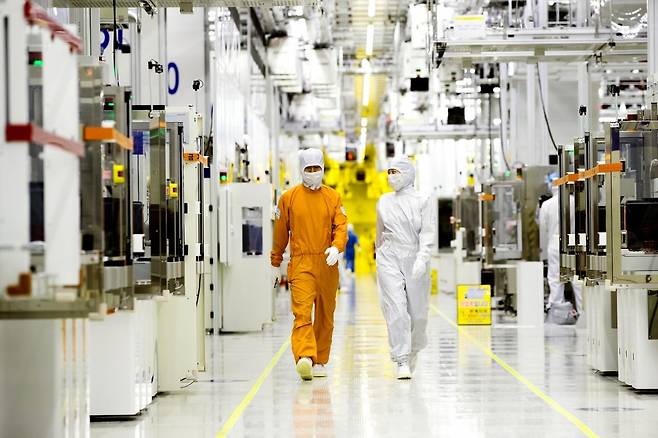
Samsung Electronics and SK hynix are paying out their biggest performance bonuses in years, as the global memory chip supercycle driven by the artificial intelligence boom translates into historic profits.
Samsung’s semiconductor division, known as Device Solutions, has confirmed that eligible staff will receive bonuses equal to 47 percent of their base annual salary this month. The payout applies across the division's three core businesses — memory, system large-scale integration and foundry — and marks a sharp rebound from 2023, when the division’s bonus rate was 0 percent following a downturn in the chip market.
This year’s bonus is just shy of Samsung’s internal maximum cap of 50 percent, reflecting the division’s extraordinary recovery. Samsung’s performance-based incentive system, called Overachieved Performance Incentive, is awarded once a year and calculated from 20 percent of the previous year’s economic value added.
For Samsung’s mobile MX division, which oversees Galaxy smartphones, the OPI payout has been set at the full 50 percent. Meanwhile, divisions such as consumer electronics and networks will see much lower rates, in the 12 percent range, based on their 2025 performance.
The bonuses come on the heels of Samsung’s record-breaking fourth-quarter operating profit of 20 trillion won ($13.6 billion), according to the company’s preliminary earnings announcement on Jan. 8. Analysts estimate that the DS division alone contributed some 16 trillion to 17 trillion won, driven by soaring prices for both advanced and general-purpose memory chips.
SK hynix is preparing an even larger payout. After scrapping a long-standing internal cap that had limited bonuses to the equivalent of 10 months’ base salary, SK hynix will now allocate 10 percent of its total operating profit to this year’s profit-sharing program.
With its full-year operating profit estimated at 45 trillion won and a workforce of 33,000, the average bonus is projected to exceed about 140 million won per employee, marking a record high. Eighty percent of the bonus will be paid upfront, with the remaining 20 percent deferred over two years.
The company is also reintroducing its Employee Share Participation Program, which was launched last year. Employees can choose to take up to half of their bonus in company shares and receive a 15 percent cash premium if they hold the stock for one year. The program is designed to encourage long-term alignment between staff and shareholders.
Since late 2024, Samsung and SK hynix have redirected much of their chip capacity toward high-bandwidth memory. Because producing HBM consumes roughly three times the wafer capacity of standard DRAM, this pivot has created a supply squeeze for general memory such as DDR5, driving up prices across the board.
For SK hynix, which holds a dominant share of the HBM market, these margins have turned into record profitability. Samsung, with its broader manufacturing scale, has benefitted both from rising demand for HBM and from higher prices in the general memory segment, where it remains the global volume leader.
Both companies are expected to release detailed full-year results later this month.
Copyright © 코리아헤럴드. 무단전재 및 재배포 금지.