Traditional Korean tableware finds new life in streaming era
The following is part of a series exploring how Korean traditional living is reimagined for contemporary lifestyles amid renewed attention on Korea's cultural heritage -- Ed.
Tableware is no longer just about functionality. Driven by growing interest in home dining and the popularity of Netflix’s cooking competition “Culinary Class Wars,” more people in Korea are paying attention to how they plate food and design their tables.
Once dismissed as outdated and impractical, “yugi" (brassware) and “ottchil" (lacquer-finished) tableware are now back in the spotlight for their refined visual appeal.
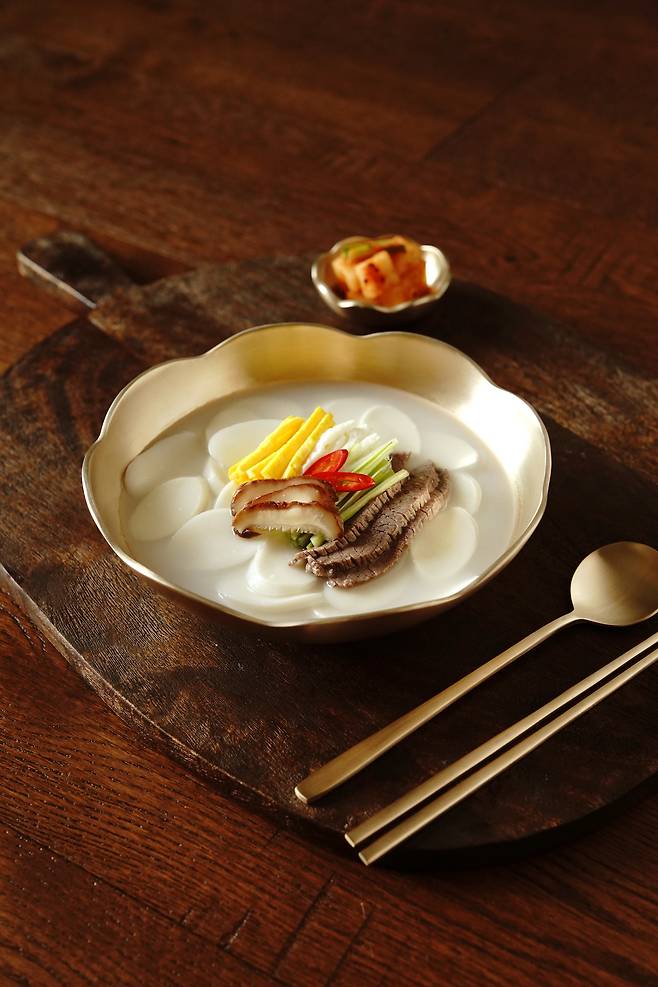
Once favored by the royal court for its refined elegance, yugi was considered precious tableware and widely used in ceremonial rituals by the literati.
It was also used by ordinary people, who believed that copper — the main component of brassware — helped kill bacteria and viruses in the days before refrigerators were invented. Its durability was another advantage, allowing the tableware to be passed down through generations.
However, yugi experienced a period of stagnation. During the Japanese colonial era (1910-1945), many household brass vessels were seized for military purposes, and after the Korean War, the shift to coal briquettes made brassware less practical, as it easily discolored when exposed to briquette gas.
“Bangjja yugi (hand-forged brassware) has long been regarded as precious because each piece is hand-hammered traditionally,” a merchant who has sold brassware for decades in Insadong told The Korea Herald.
“It was once considered impractical for kitchens because coal-briquette gas could easily cause discoloration, but it seems to be regaining popularity. Chefs from restaurants now often come looking for it.”
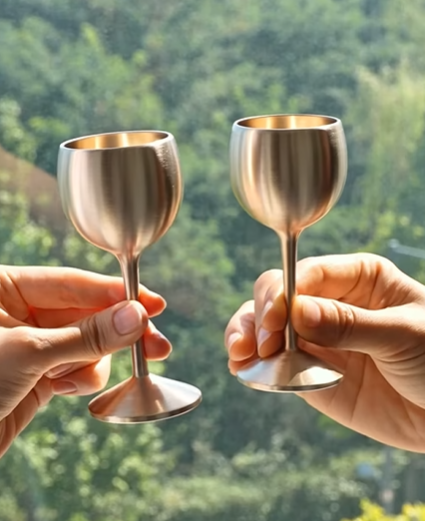
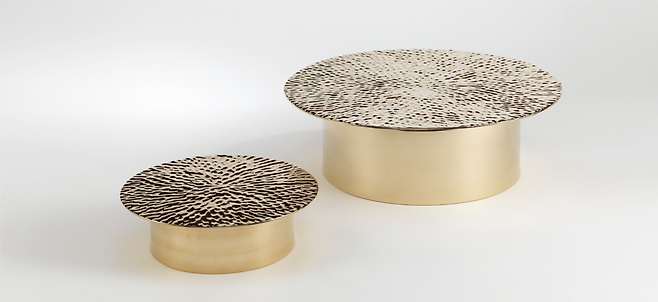
Notdam, a Seoul-based Korean brassware brand, pursues simple and modern designs to appeal to younger consumers in their 20s and 30s. The brand’s brassware comes in various modern designs; flower salad bowl, moon cutlery set and shot or wine glasses are particularly sought after.
“The bright colors make the pieces visually distinctive, which has drawn interest from younger customers as well as chefs visiting from overseas. Demand for brassware has increased in recent years,” said an employee from the Korean brassware brand.
Yugi is made using a traditional Korean metalworking technique that alloys 70-80 percent copper with 20-30 percent tin. Bangjja yugi, in particular, is traditionally made by pouring molten metal onto soapstone or iron plates and shaping it through repeated hand-hammering.
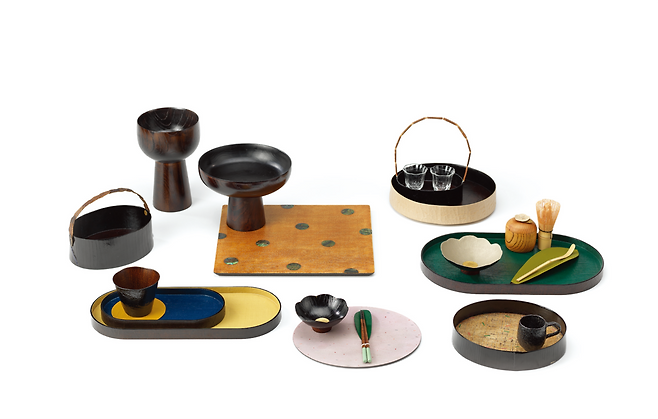
Ottchil, a traditional Korean lacquer technique, uses sap extracted from the lacquer tree to coat wood and fabric for durability. In East Asia, lacquer trees have long been a traditional source of sap, and distinctive lacquerware techniques have developed in the region
In Korea, the lacquer technique is believed to date back to prehistoric times, and evolved through centuries from painted lacquerware that reached its height during the Unified Silla period, to the mother-of-pearl inlaid lacquerware of the Goryeo and Joseon eras.
Cheyul, a Seoul-based Korean luxury handcraft brand, is seeing rising demand for ottchil tableware, long neglected due to the perception that wooden materials are difficult to maintain.
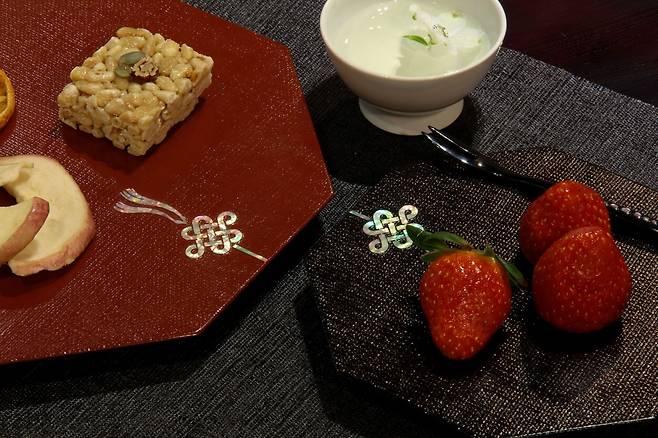
“As more people come to view traditional culture as something truly unique, interest in ottchil tableware has risen with the growing popularity of Korean cuisine at Michelin-starred fine dining restaurants,” Lee told The Korea Herald.
“Customers are increasingly drawn to the beauty of its lacquered colors and refined forms.”
The more layers of ottchil applied, the greater the durability. However, lacquerware remains sensitive to high heat, which is why hand-washing is recommended instead of using a dishwasher, according to Lee.
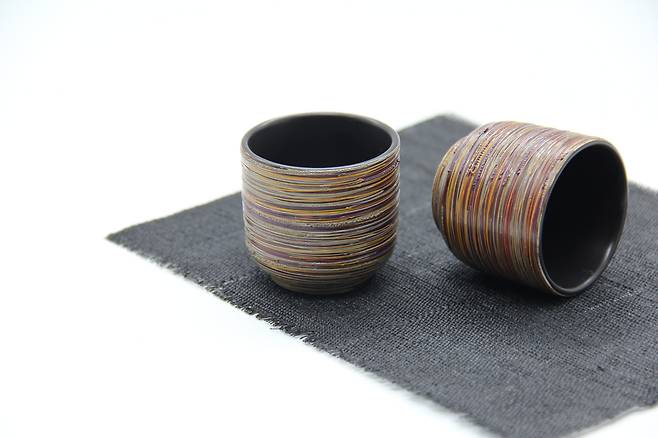
Park Sui is among craft artists from younger generations who take inspiration from ottchil. The bright and deep colors of Park’s everyday ottchil objects, such as tableware, are achieved through repeated coating and drying of ottchil over an extended period.
“There is certainly far more interest in Ottchil now than when the museum first opened in 2021. I also see more young people who want to learn about Korea’s traditional lacquer craftsmanship, and classes and symposiums fill up very quickly,” said Kang Yeon-gyeong, curator at Seoul Museum of Craft Art.
Copyright © 코리아헤럴드. 무단전재 및 재배포 금지.