[JPM 2026] ABL Bio seeks next license-out after GSK, Eli Lilly deals
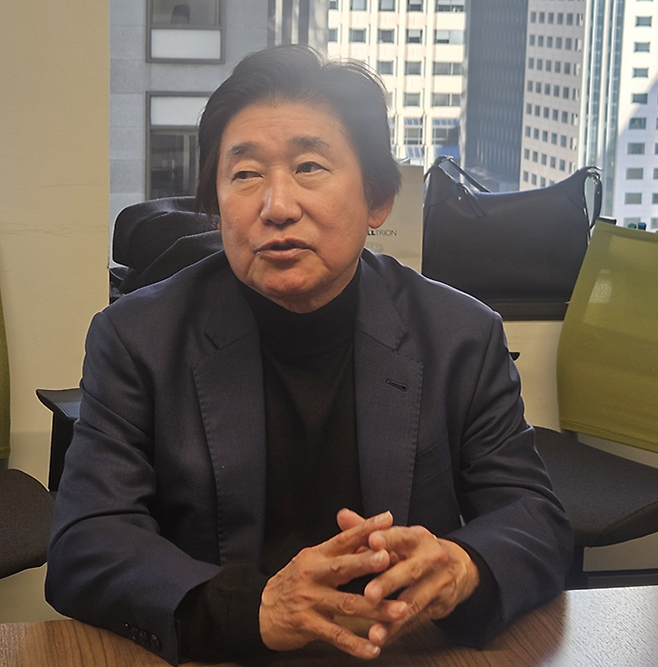
SAN FRANCISCO — ABL Bio is closing in on another partnership with a global pharmaceutical company for its proprietary Grabody-B technology, a blood-brain barrier shuttle platform designed to improve drug delivery to the brain, according to its chief executive.
“I think a new partnership, in addition to our deals with Eli Lilly, GSK and Sanofi, is possible,” ABL Bio CEO Lee Sang-hoon said Wednesday in an interview on the sidelines of the 44th JPMorgan Healthcare Conference in San Francisco.
“One of our key goals this year is to deepen collaboration with existing partners on our BBB shuttle and other technologies, while also introducing our platforms to new global partners,” he said.
ABL Bio has already secured two major license-out deals for Grabody-B. In April 2025, it signed an agreement with GSK worth up to 4.1 trillion won ($2.8 billion), followed by a deal with Eli Lilly in November valued at up to 3.8 trillion won. The company had earlier partnered with Sanofi in January 2022 on ABL301, a therapeutic antibody candidate for neurodegenerative diseases such as Parkinson’s, under a deal worth up to $1.06 billion.
While Lee expressed confidence that the company could deliver positive news to the market this year, he declined to provide a timeline or specify how many additional deals ABL Bio aims to secure.
Lee said the company has also launched a small interfering RNA (siRNA) project using a new target, as it seeks to expand the application of Grabody-B beyond antibody-based drugs to RNA therapeutics. He noted that recent animal studies have generated encouraging data, opening the door to new therapeutic areas.
Amid rising global interest in antibody-drug conjugates, Lee also highlighted growing attention toward ABL Bio’s ADC capabilities.
“There were meetings related to Neok Bio at JPMorgan,” he said. “Many global pharmaceutical companies are showing interest, and investor attention will increase further once clinical data is released.”
Neok Bio, a US-based ADC developer spun off from ABL Bio in November, submitted an investigational new drug application for ABL206 to the US Food and Drug Administration in December. The company plans to file another IND for ABL209 by the end of January.
Both ABL206 and ABL209 are bispecific ADCs designed to target two cancer-related markers while delivering a potent chemotherapy payload directly to tumor cells.
Reflecting on Korea’s growing visibility in global biotech, Lee stressed that reaching Phase 2 clinical trials remains critical to securing large-scale license-out deals.
“Big pharmaceutical companies are paying attention to Korea, and there is growing interest in Eastern innovation,” he said. “While there are still few assets in Phase 2 or beyond, there is a growing recognition that Korea has strong technology. I believe the Korean biotech sector will continue to grow and emerge as an important global hub that draws interest from major pharmaceutical companies.”
Copyright © 코리아헤럴드. 무단전재 및 재배포 금지.