Apples surpass soft drinks as top sugar source for Koreans
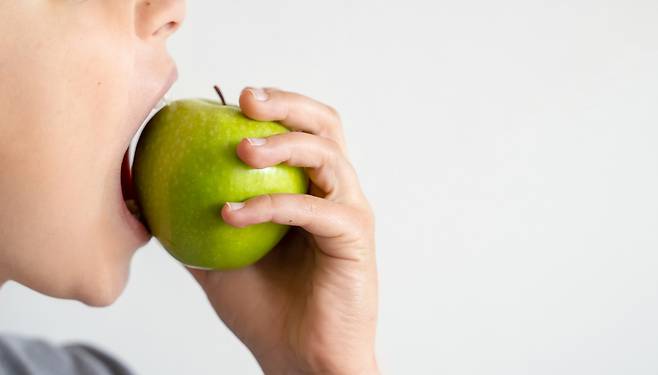
Apples have emerged as the single largest source of sugar intake among South Koreans, surpassing carbonated beverages, according to data released earlier this month by the Korea Disease Control and Prevention Agency.
The agency found that Koreans consume an average of 3.93 grams of sugar per day from apples, accounting for 6.9 percent of total daily sugar intake. Sugar intake from carbonated beverages averaged 3.55 grams, or 6.2 percent, followed by milk at 3.4 grams, or 5.9 percent.
The findings are based on a survey of 6,802 Korean nationals aged 1 and older conducted in 2024 as part of the agency's annual nutrition survey.
Apples, carbonated beverages and milk ranked as the top three sources of sugar intake for both men and women, though the order differed.
Among men, carbonated beverages accounted for the largest share of sugar intake at 7.6 percent, followed by apples at 5.9 percent and milk at 5.4 percent.
Among women, apples ranked first at 8 percent, followed by milk at 6.5 percent, while carbonated beverages accounted for 4.7 percent.
Apples have long been among the most popular fruits in Korea, with a wide range of locally grown varieties available across most seasons.
Despite rising prices due to climate change, apples have remained a top-three fruit by sales at major retail chains, including E-mart, Lotte Mart and Homeplus, after losing their top ranking in 2020.
Experts said whole fruits are generally regarded as a preferable source of sugar compared with carbonated beverages or processed carbohydrates, which tend to have a greater impact on blood glucose levels when consumed in equal amounts.
"Both refined sugar and natural sugar are chemically the same," said Kwon Oran, professor emerita of nutritional science at Ewha Womans University. "However, refined sugar is typically consumed without dietary fiber, while natural sugar in whole foods comes with fiber and other components that help moderate its effect on blood sugar levels."
Copyright © 코리아헤럴드. 무단전재 및 재배포 금지.