From living with moms to facing exes, Korean dating shows raise stakes
Dating reality shows have emerged as one of the most popular TV formats in Korea, prized by producers for their cost efficiency and reliable ratings and by viewers for their vicarious romance and emotional release at a time when dating has become increasingly difficult.
As the genre grows more and more crowded, creators are pushing formal boundaries to stand out — from JTBC's "My Sibling's Romance" to Coupang Play's "Chain Reaction," which literally binds pairs together in chains.
The latest flash points in this trend are "The Child Release Project: Cohabitation Blind Dates" and the fourth season of Tving's "Transit Love," both now at the center of popular debate.
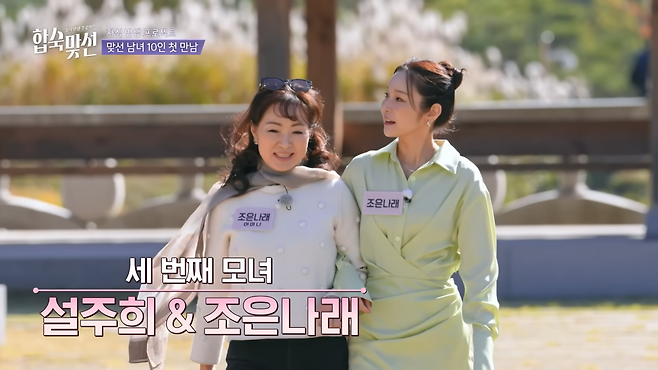
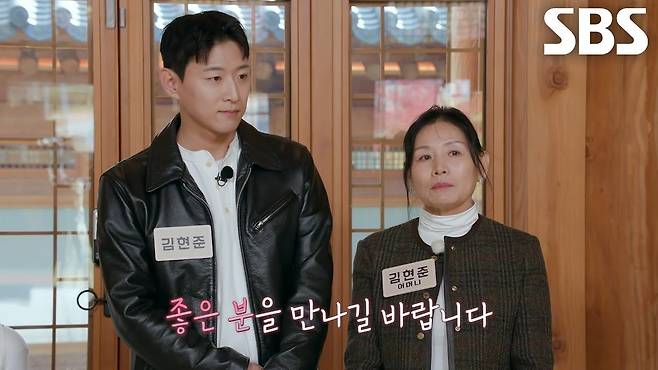
"The Child Release Project: Cohabitation Blind Dates," as the title suggests, follows 10 single men and women who are looking for marriage as they live together for five nights and six days -- alongside their mothers. Beyond conventional one-on-one dates, the show incorporates formats such as mothers selecting matches for their children, as well as mother-son and mother-daughter pairings spending time with other participants.
Built on the premise of parents witnessing their children's romantic lives unfold in real time, the series injects generational tension and family dynamics into the familiar dating-show formula. And the shock value, coupled with its emotional stakes, has paid off: since its Jan. 1 debut, the show has gained strong traction, ranking sixth on Netflix's series chart in Korea as of Monday.
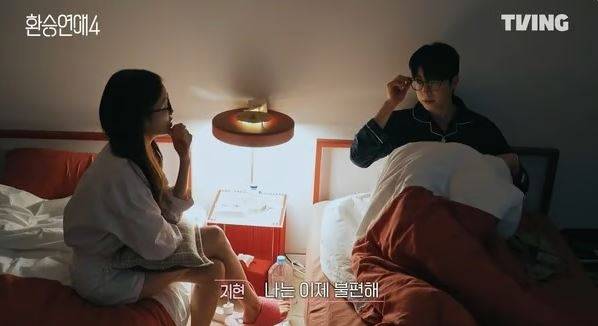
Meanwhile, "Transit Love" Season 4, the latest installment of one of Korea's hottest dating franchises, has taken a more controversial turn. When the series first premiered in 2021, it stunned viewers with its core concept: Participants enter the show alongside their ex-lovers, exploring unresolved feelings while pursuing new relationships or rekindling old ones.
For the fourth season, the production team introduced its most radical twist yet, featuring a participant who arrived with two ex-partners. The move triggered intense backlash, with critics arguing that rather than deepening immersion, the dual-exes twist pushed emotional strain beyond a sustainable limit and led to audience fatigue and resistance instead of empathy.
Amid the boom in Korean dating reality shows, industry observers warn of mounting creative exhaustion across the genre.
"The genre has reached a kind of creative ceiling," said Jung Duk-hyun, a pop culture critic.
While Jung acknowledged that television inevitably demands attention-grabbing concepts to survive in a crowded media environment, he stressed that what ultimately matters is clarity of purpose.
"Do these setups encourage healthier relationships among participants? Or do they offer insights that resonate with Korean society? I think that's the real question. If these shows remain at the level of simple provocation, they're no longer sustainable."
According to Jung, the sustained domestic and global appeal of Korean dating shows stems in part from cultural factors unique to Korea.
"One reason Korean dating shows have drawn global attention lies in cultural context — Korean culture tends to be more indirect in expressing emotions and intentions," he said. Dating in Korea, Jung explained, is governed by unspoken rules, social sensitivity and emotional restraint, elements that translate naturally into serialized reality storytelling.
Looking ahead, Jung said dating shows could have a positive impact on the Korean TV industry, provided they are guided by sound objectives.
"If the programs do have clear, healthy goals, continued experimentation with unconventional formats will ultimately benefit the local TV industry in the long run," he added.
Copyright © 코리아헤럴드. 무단전재 및 재배포 금지.