Korea’s ramyeon exports hit record $1.5bn on global popularity of K-culture
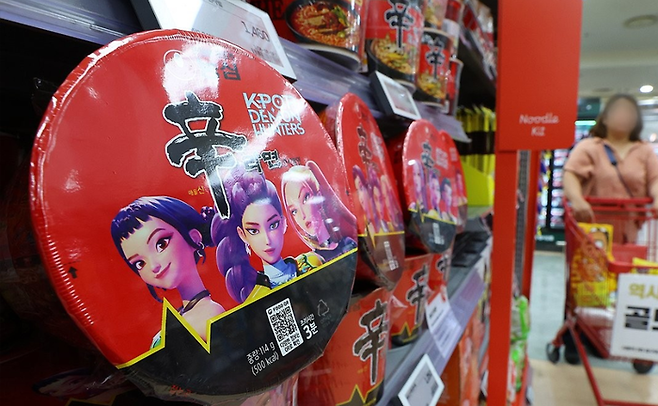
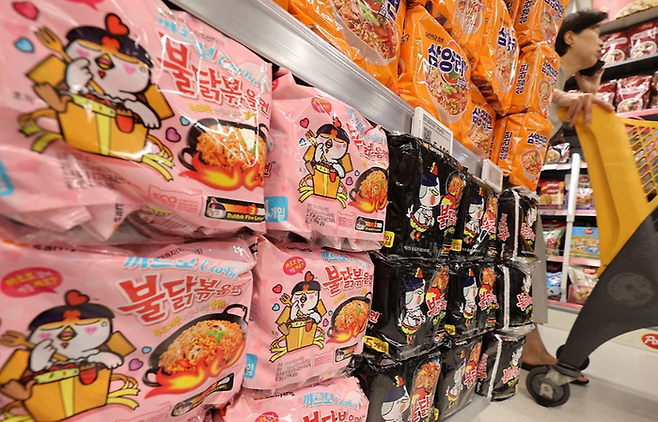
According to data from the Korea Customs Service on Sunday, Korea’s ramyeon exports rose 21.8 percent on year to $1.5 billion in 2025.
In 2023, ramyeon exports totaled $952 million, still below the $1 billion threshold. In just two years, exports have increased by more than $500 million, leading the overall growth of K-food exports.
Compared with 2022, ramyeon exports have doubled in three years, and have increased sevenfold over the past decade since 2015.
The surge in demand follows the high-profile inclusion of ramyeon in the Oxford English Dictionary and its frequent appearances in global media, including Netflix’s “KPop Demon Hunters” and the Oscar-winning film “Parasite.”
Nongshim has launched collaborative ramyeon products in key markets such as the United States, and appointed girl group aespa as Shin Ramyun’s first global ambassador.
After establishing a European sales subsidiary last year, Nongshim plans to aggressively target global markets by completing a dedicated export factory in Noksan, Busan, in the second half of this year.
Samyang Foods Co. completed its second factory in Miryang last year and is building its first overseas plant in Jiaxing, China, where it plans to install eight production lines, two more than originally planned.
However, the U.S. Trump administration’s tariff war has had a noticeable impact on ramyeon exports.
Last year, ramyeon exports to the United States grew 18.1 percent, falling short of the overall export growth rate.
While exports to the U.S. posted an average annual increase of 68 percent from 2022 to 2024, growth plunged last year due to the Trump administration’s reciprocal tariffs of 15 percent.
By contrast, shipments to China – a key alternative market following the U.S. tariffs – surged 47.9 percent last year.
Copyright © 매일경제 & mk.co.kr. 무단 전재, 재배포 및 AI학습 이용 금지
- '이재용 장남' 이지호, 해군 제5전단 배치 - 매일경제
- “딸이 스스로 목숨을 끊었습니다”…가입했던 보험 있어 보험금 청구했더니 [어쩌다 세상이] -
- 삼촌은 삼전, 조카는 하이닉스 샀다…세대별 투자차이 생긴 이유는 - 매일경제
- 영하 37도까지 떨어졌다…‘항공편 모두 취소’ 관광객 수천명 발묶인 핀란드 - 매일경제
- “은행 통장에 돈 썩게두면 바보죠”…주식투자 대기자금 무려 92조원 - 매일경제
- “무알코올 맥주는 음료수죠”…아예 탕비실 쌓아두고 마신다는 이 회사 - 매일경제
- “월급 부칠 때마다 관두고 싶네요”...남편 퇴사 부르는 아내의 한마디는 - 매일경제
- “벌어도 빚만 는다”…1인당 가계대출 9700만원 넘어 ‘역대 최대’ - 매일경제
- “마두로 경호원들 ‘이 공격’에 피 토하며 쓰러져”…미군 사용했다는 첨단무기 - 매일경제
- 적수가 없다!…‘세계 최강’ 안세영, 中 왕즈이 꺾고 말레이시아 오픈 3연패 달성 - MK스포츠