Six hot springs to warm up this winter
Looking for a warm escape from winter’s chill? South Korea’s Interior Ministry has unveiled its picks for the season’s must-visit hot springs.
The Ministry of the Interior and Safety said Tuesday it has selected six hot springs across the country that stand out as winter destinations, spotlighting outdoor baths where visitors can soak in steaming water while surrounded by snowy scenery.
According to the ministry, this year’s winter picks focus on sites that offer open-air experiences paired with seasonal landscapes, a combination officials say is especially appealing during colder months.
Water quality was also a key factor in the selection process, with particular attention paid to springs containing carbon dioxide and sulfate minerals.
The winter list is part of a broader seasonal series launched by the ministry in the spring of 2025, which curates recommended hot springs throughout the year.
This latest selection was finalized through deliberations by experts and the Korea Hotspring Association, drawing on nominations submitted by local governments.
Below are the ministry’s six best hot springs to visit this winter.
Inje: Pilrye Hot Spring
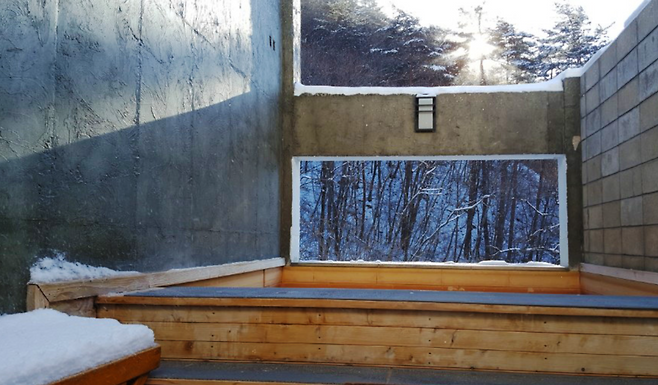
The first hot spring on the list is located deep in the valleys of Seoraksan, South Korea’s third-highest mountain, in Inje, Gangwon Province.
Pilrye Hot Spring was selected for its spectacular mountain views, particularly striking after snowfall, the ministry said.
The site is also conveniently located near major nature attractions, including the Whispering Birch Forest, the Secret Garden and Gombaeryong. Nearby areas also host museums and cultural centers offering additional sightseeing options.
Goseong: Wonam Hot Spring
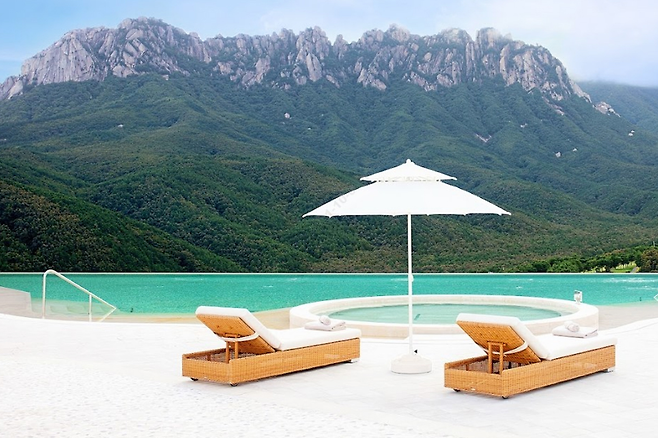
Wonam Hot Spring was chosen for its view of Seoraksan’s iconic Ulsanbawi, offering visitors a scenic and relaxing retreat.
Located in Goseong, Gangwon Province, the hot spring sits near two of the country’s best-known lagoons: Songjiho Lake and Hwajinpo Lake.
The area is also close to Demilitarized Zone-related tourist sites, including the Unification Observatory, where visitors can look into North Korean border towns across one of the world’s most heavily fortified borders.
Yangyang: Seolhae Hot Spring
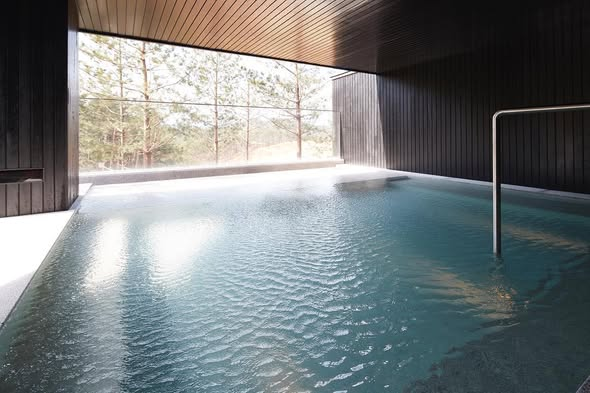
Seolhae Hot Spring, located along the eastern slopes of Seoraksan in Yangyang, Gangwon Province, offers views of the mountain range’s rolling forested terrain.
Visitors can also explore nearby coastal attractions, including the Namdaecheon River, Naksan Beach and Dongho Beach.
The Yangyang Traditional Market, located about 6 kilometers from the hot spring, features a wide selection of local foods made with ingredients sourced from the sea and nearby mountains.
Mungyeong: STX Hot Spring
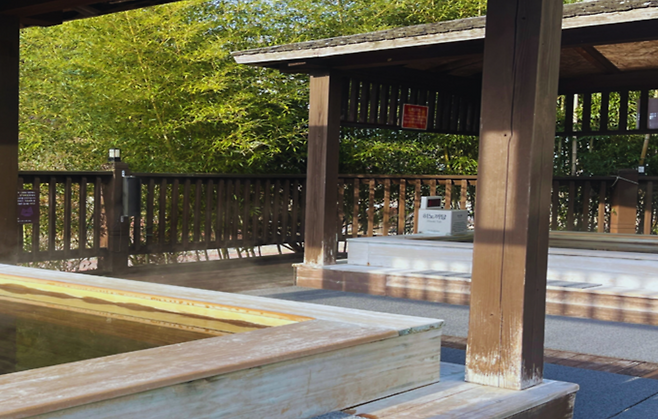
STX Hot Spring is located in the mountains of Mungyeong, where the Baekdudaegan mountain range meets Songnisan.
Nearby attractions include Mungyeong Saejae and Songnisan National Park, where visitors can enjoy winter hiking and scenic trails. The area also features cultural sites such as the Gaeun Ajaegae Market and the Mungyeong Coal Museum, which offer insights into the region’s industrial and social history.
Cheongsong: Solsaem Hot Spring
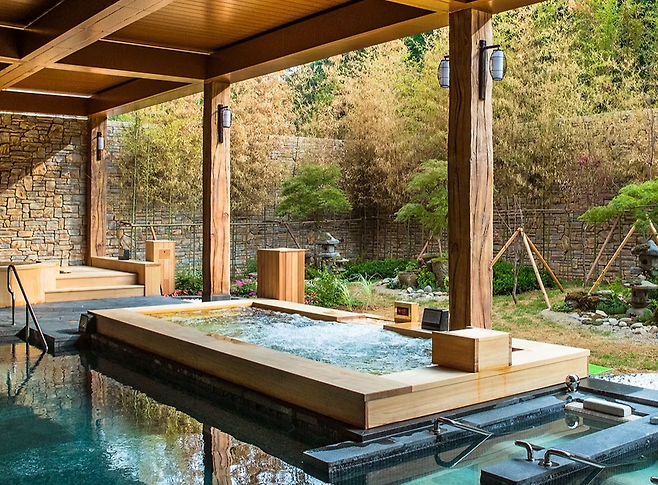
Solsaem Hot Spring, in Cheongsong, sits near Juwangsan National Park and is known for its sulfate-rich mineral water.
Within the national park, visitors can enjoy winter scenery at sites such as Jusanji Pond and Jeolgol Valley.
The area will also host the Cheongsong Ice Climbing World Cup on Saturday and Sunday, where participants climb ice walls formed by freezing artificial waterfalls.
Seogwipo: Sagye Hot Spring
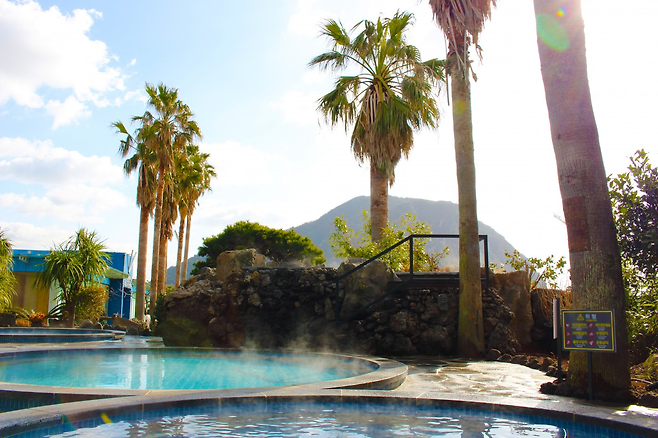
The final selection is Sagye Hot Spring in Seogwipo on Jeju Island. It opened as the island’s first public hot spring in 2004 and features carbonated mineral water.
Located near Sanbangsan and Yongmeori Coast, the hot spring sits along the Jeju Olle Trail, which winds past volcanic cones.
From December through late January, nearby camellia flower attractions, including Camellia Hill, reach peak bloom, adding seasonal charm to winter visits.
More information about the six designated hot springs is available on the Korea Hotspring Association’s website.
Park Yeon-byeong, acting director of the Interior Ministry’s Local Autonomy Innovation Office, said hot springs have long served as spaces for rest and healing in everyday life.
“In the cold winter season, we encourage people to relieve both physical and mental fatigue by visiting warm hot springs,” said Park.
“The government will continue working with local governments to ensure hot springs are harmoniously linked with regional tourism resources while preserving their restorative value,” he added.
Copyright © 코리아헤럴드. 무단전재 및 재배포 금지.