What BTS' return means for K-pop industry
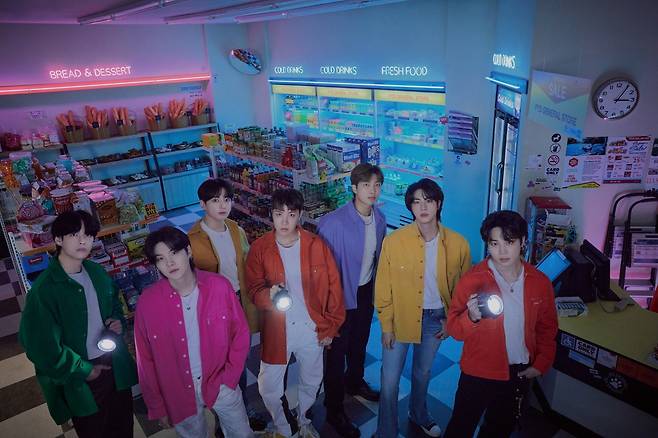
During BTS’ extended hiatus, K-pop retained its global visibility but struggled to sustain the momentum it once commanded at the center of the international music conversation. While major acts such as Stray Kids, Blackpink, Twice and Seventeen filled the commercial vacuum left by BTS, none emerged as a singular symbolic force capable of defining the genre on a global scale.
Newer-generation acts have been praised for polished performances and striking visuals, but critics and industry observers note that few have matched BTS’ ability to capture broad public sentiment or reflect the cultural mood of the time. As a result, K-pop’s influence has become more fragmented, lacking a clear figurehead to anchor its global narrative.
With the group announcing its March 20 comeback, BTS’ enduring symbolic power became evident. Fans around the world voluntarily began mass streaming “Run BTS.” As of Jan. 2, the track topped iTunes’ Top Songs chart in 61 countries and regions, including Brazil, Finland and Mexico — a rare feat for a track released years earlier.
“BTS is still the most recognized name in K-pop. If there was only one K-pop group an average American could name, it would still be BTS,” said Grace Kao, a sociology professor at Yale University. “I think K-pop has had a strong presence in the Billboard Hot 100 chart this year, but BTS has the potential to dominate it. They certainly can outsell any other K-pop act.”
Beyond the music industry, BTS’ return could also carry broader cultural and economic implications for South Korea.
The comeback aligns with President Lee Jae Myung’s emphasis on strengthening the country’s cultural soft power, particularly amid efforts to ease or lift China’s long-standing restrictions on Korean cultural content. The leaders of South Korea and China agreed Monday to work toward a gradual resumption of cultural and content exchanges during their second summit in Beijing, South Korea’s presidential office said.
Galaxy Corporation and SM Entertainment, both included in the recent economic delegation accompanying the president’s state visit to China, are reportedly pushing for progress on the so-called “Hallyu ban.” If mainland China reopens fully to K-pop this year, industry observers say BTS’ return could accelerate a second major growth phase for the genre.
China, with a population exceeding 1.4 billion, remains one of the largest potential consumer markets for Korean content. Many experts argue that lifting restrictions is essential if Korea’s cultural exports — including K-pop and gaming — are to reach the 300 trillion won ($207.6 billion) scale.
Hybe, the parent company of BTS’ agency Big Hit Music, has already been expanding its global footprint. The company opened a Beijing branch last May, following earlier expansions in Japan, the US and Latin America, and established a local subsidiary in Mumbai, India, in September.
The group’s return has also had a tangible impact on financial markets. Despite ongoing risks surrounding allegations of capital markets law violations involving Hybe Chair Bang Si-hyuk, reports projecting more than 1.2 trillion won in revenue from a 65-show BTS world tour sent Hybe shares up as much as 9 percent intraday. Analysts expect further gains once official tour details are announced.
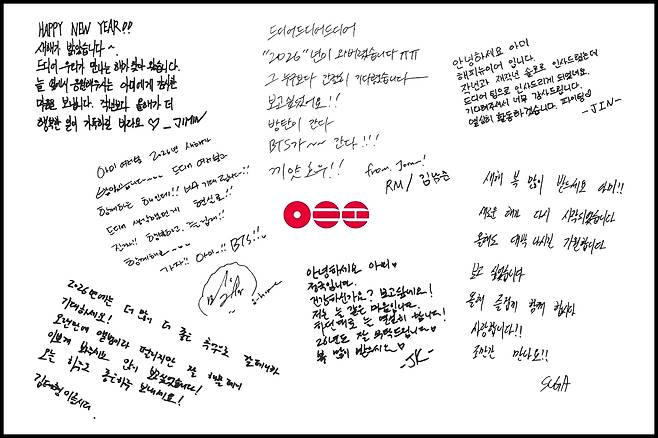
In a handwritten letter to fans, RM wrote, “I waited more desperately than anyone.” In a recent livestream, he added, “Something really big is coming. 2026 will be BTS’ year.”
Copyright © 코리아헤럴드. 무단전재 및 재배포 금지.