Maximal volume and granola core: Fashion sets tone for 2026
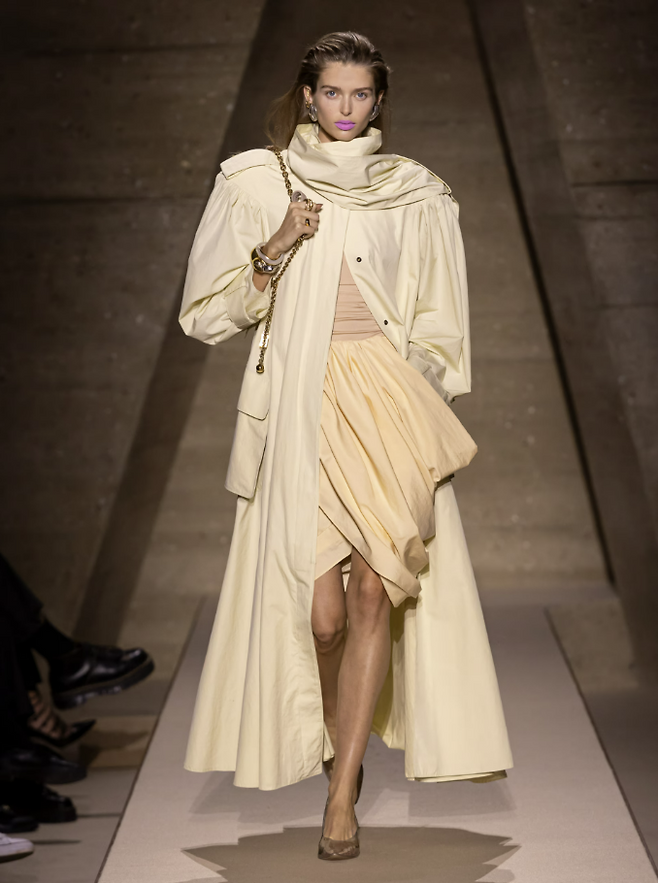
The door to 2026 is open, and fashion is moving with it.
Rather than rules, this year’s trends are reference points: a way to assess how personal style aligns with the broader mood shaping wardrobes now. When the alignment feels right, it reinforces confidence; when it doesn’t, it often points toward a shift worth exploring.
One of the most visible changes this year is the return of maximalism. After several seasons defined by quiet luxury and restrained dressing, fashion is leaning back into statement silhouettes. Pinterest, which analyzes how users search, save and build digital mood boards, identified maximalism as a key fashion theme for 2026, signaling growing interest in looks that register both on screen and in everyday life.
This iteration of maximalism, however, is measured. Rather than head-to-toe drama, designers are emphasizing a single bold element — exaggerated shoulders, sculptural shapes or striking jewelry — balanced with otherwise pared-back styling.
Volume reworked for wearability
Fashion editor Bora Claire describes designers' current approach as "focused on how to express volume without making it feel heavy or rigid.”
“There was a lot of discussion around keeping silhouettes soft, refined and wearable.”
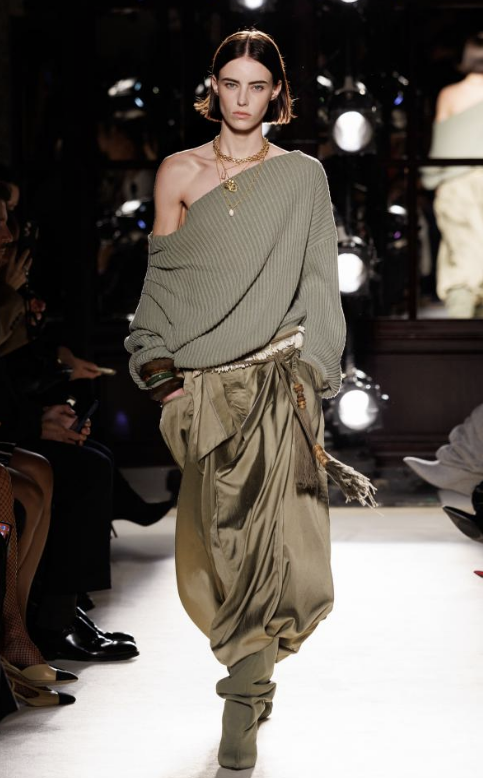
Volume is appearing across categories, particularly in bottoms. Harem pants have returned in more polished interpretations, while skirts have emerged as the most expressive pieces.
Balloon skirts, in particular, stand out this season, often paired with understated tops to maintain balance. Variations in cuts, panels and lengths allow the same silhouette to read differently from brand to brand. Fringe skirts are drawing attention on runways, valued for the way they respond to motion. Made from ribbons, sashes or train-like elements, fringe introduces rhythm and fluidity, turning movement itself into part of the design.
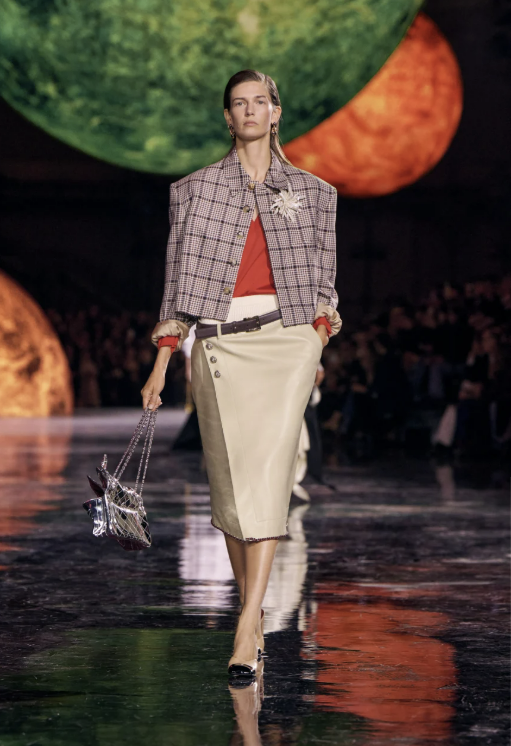
Accessories, meanwhile, are being used with greater intention. Brooches are reappearing not as decorative statements but as subtle styling tools. Pinned to lapels, shirt pockets or knitwear, a single brooch can shift the tone of an outfit. With placement extending beyond traditional tailoring and into everyday and menswear looks, brooches are no longer confined to a niche role.
Comfort, a style priority
Alongside these expressive elements, comfort remains central to how people dress this year. As economic uncertainty continues to shape daily life, clothing increasingly emphasizes protection and ease. Euromonitor International has identified “comfort zone” as a key consumer theme for 2026, pointing to a growing desire for emotional stability across lifestyle choices.
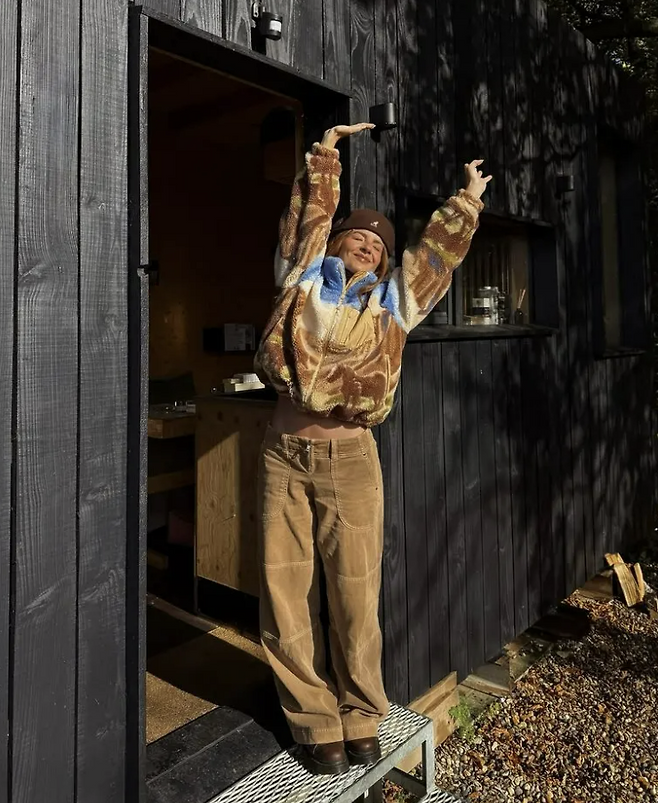
One prominent expression of this is granola core.
Unlike the technical focus of earlier outdoor-inspired trends, granola core reflects a softer, more relaxed approach rooted in nature and ease. It evokes weekend hikes, casual camping and unhurried movement, favoring garments that feel unstudied yet intentional. Earth-toned neutrals, fleece jackets, loose plaid shirts and knit beanies form the foundation of the look.
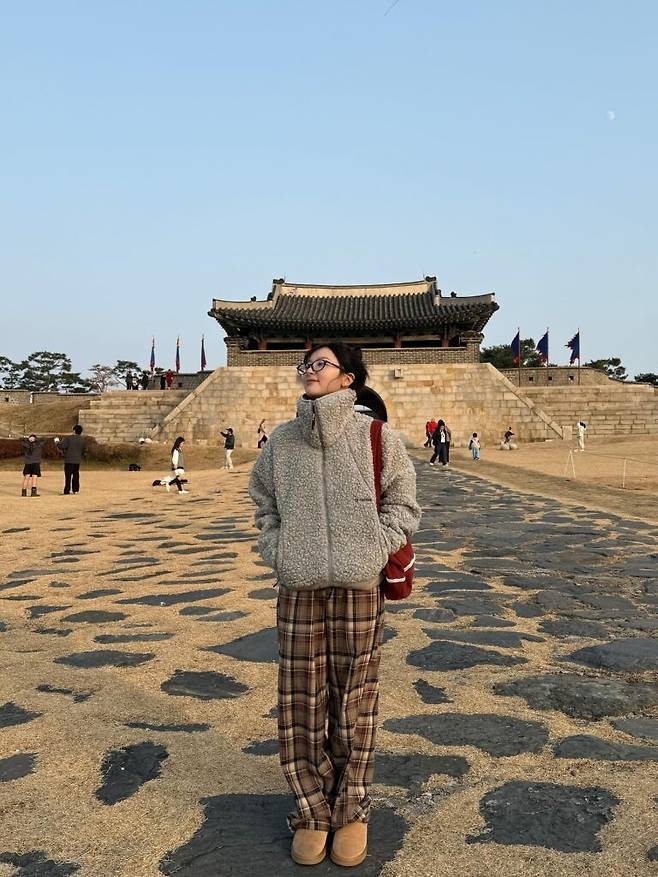
The trend has entered the mainstream through social media and celebrity styling. Red Velvet’s Seulgi, whose casual fashion often balances comfort with polish, has become a reference point. During a recent outing in Suwon, she paired a gray high-neck fleece with classic plaid pants and chunky boots, offering a look that felt approachable yet considered.
Color palettes across these trends remain subdued. Neutrals dominate, with beige, brown and muted khaki tones setting the mood. Khaki, in particular, has moved away from overt military associations, appearing instead in layered, tone-on-tone looks that emphasize material contrast and clean structure.
Taken together, fashion in 2026 is defined less by extremes than by the balance between boldness and restraint, expression and ease.
Copyright © 코리아헤럴드. 무단전재 및 재배포 금지.