Winter ski and snow escapes
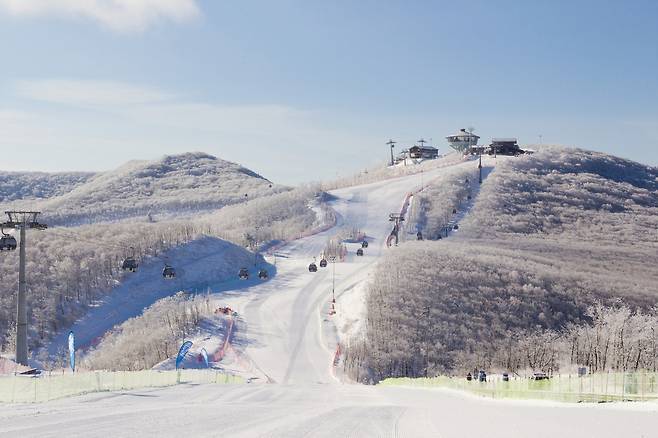
The Korean phrase “it’s dangerous outside the blanket” often feels truest in winter.
Yet those who venture out are rewarded with a transformed landscape — mountains blanketed in white, frozen valleys turned into ice galleries, and slopes teeming with skiers. As temperatures drop, winter travel in Korea is beginning, particularly among visitors seeking snowy experiences unavailable in their home countries.
Skiing, sledding lead winter getaways
One of the country’s most prominent winter destinations is High1 Resort in Jeongseon, Gangwon Province. Known for its expansive scale and high-quality snow conditions, the ski resort draws both seasoned skiers and first-time visitors. Its slopes range from beginner-friendly runs to a giant slalom course certified by the International Ski Federation (FIS), making it suitable for recreational users and professional training alike.
High1’s defining feature is its unusually long beginner slope. Stretching up to 4.2 kilometers with a gentle gradient, the course allows novice skiers to descend from the mountain summit to the valley with minimal technical difficulty. The resort is built around three peaks — Mountain Top (1,340 meters), Valley Top (1,376 meters) and Mountain Hub (1,250 meters) — connected by gondolas and ski routes.
Lift passes range from hourly tickets to all-day access, while ski and snowboard rentals are available in multiple time-based packages, making the resort flexible for short stays or multi-day trips. High1 has also hosted international competitions, including disabled skiing events and freestyle tournaments, and maintains dedicated training facilities for domestic athletes.
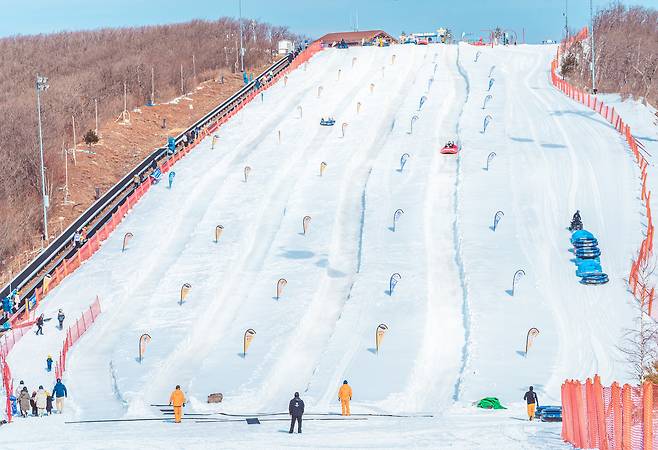
At the summit of High1, Snow World offers an alternative winter playground. The snow-themed park features wide open snowfields and activity zones accessible by cable car. Its most popular attraction is a group rafting sled, accommodating up to six riders. The sled slides down snow channels lined with ice walls, swaying from side to side and delivering a roller-coaster-like experience. Moving walkways return visitors to the top, minimizing physical strain.
Snow World is also a popular place for winter photos. Large-scale installations, including Christmas trees and framed viewing spots, are set against panoramic mountain scenery, making it a popular stop for social media users seeking seasonal visuals.
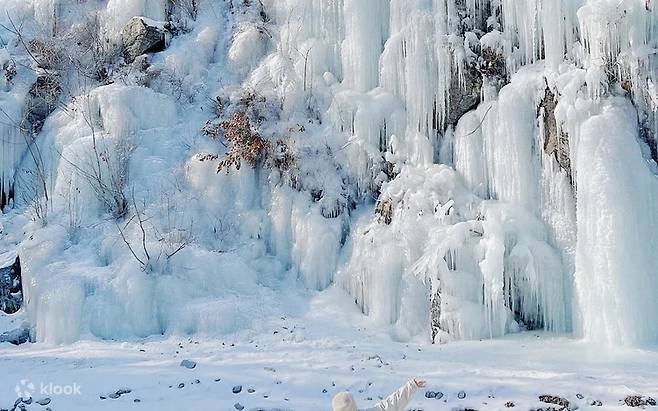
Ice valley, snow-covered islands set winter scene
Beyond ski resorts, winter travelers are also drawn to frozen natural landscapes. Eobi Valley in Gapyeong, Gyeonggi Province, is known in warmer months as a quiet mountain stream, but in winter it transforms into an ice valley. Waterfalls freeze into towering ice walls, attracting visitors interested in winter scenery rather than sports.
The valley is part of Gapyeong’s winter experiential festival, Eobi Valley Winterland, which runs through Feb. 19. Activities include snow sledding, traditional winter games such as spinning tops and playing with wooden sleds, as well as igloo and ice-wall photo zones, and small food stalls serving seasonal snacks. The area is easily walkable along wooden deck paths, making it suitable for families with children.
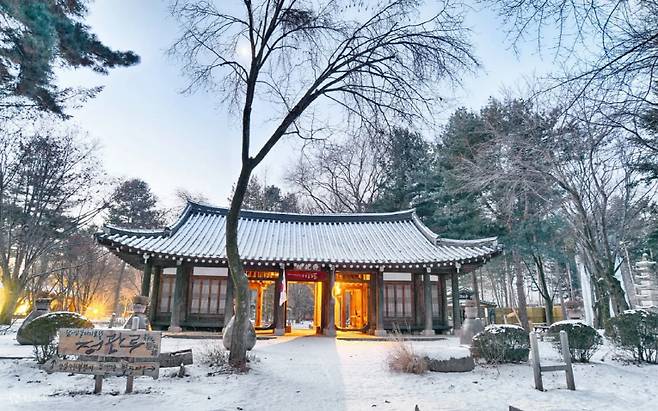
Nami Island, another Gapyeong landmark, remains a winter favorite, particularly among couples. The island rose to international fame as the filming location of the 2002 television drama “Winter Sonata,” and its snow-covered, tree-lined paths continue to evoke romantic imagery. Visitors can reach the island either by ferry or via a zipline crossing the river. While group tours are common, winter tends to attract smaller crowds, allowing for quieter walks through its metasequoia and pine-tree lined roads.
Winter travel gains momentum
Data from global travel booking platform Klook suggests that such destinations are seeing growing interest from overseas visitors. According to the company, traffic to winter tour and activity products rose about 29 percent from Dec. 1 to 15 compared with the previous month. The top source markets were Taiwan, Singapore, Hong Kong, the Philippines and Malaysia.
Ski-related products saw a 33.3 percent increase in traffic over the same period, while multi-night ski tours in Gangwon Province also recorded steady growth. Ice valleys, snow festivals and winter landscapes were among the most searched seasonal experiences.
“Winter-specific experiential content such as skiing and snow-viewing tours continues to see stable growth,” said Lee Jun-ho, head of Klook Korea, noting that seasonal contrast plays a major role in travel motivation.
For travelers willing to leave the warmth of their blankets behind, Korea’s winter offers not just cold, but clarity — crisp air, bright snow and a distinctly seasonal sense of place.
Copyright © 코리아헤럴드. 무단전재 및 재배포 금지.