Household lending squeeze set to persist into early next year
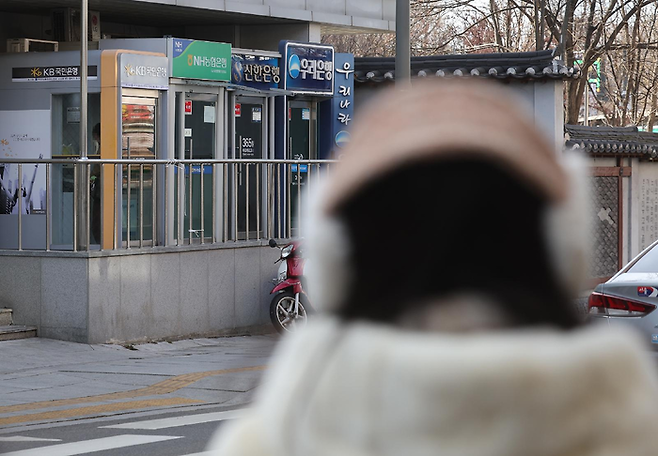
According to the financial sector on Sunday, the Financial Services Commission is expected to hold a household debt review meeting with major domestic banks around Jan. 13, calling for strict management of household lending at the start of the year. The move is aimed at preemptively blocking any sharp easing of lending standards after banks reset their annual loan targets.
Regulators plan to place greater emphasis on monthly management of household lending next year. Banks that exceeded their lending targets this year will also face a “penalty,” with the excess deducted from their new lending limits to be finalized in February.
The authorities will also raise contribution rates on large mortgage loans. The FSC’s policy plan for next year includes revamping the contribution-rate system for the Housing Finance Credit Guarantee Fund, linking banks’ contribution rates to mortgage loan amounts. Previously, rates varied only by loan type, but from April next year, larger loans will be subject to higher contribution rates, while smaller loans will face lower rates.
Compounding the pressure, recent legal changes will prevent banks from passing contribution-related costs on to borrowers through loan interest rates starting next year. The FSC also plans to support the rollout of non-recourse loans in the second half of next year. Under such loans, borrowers’ repayment obligations are limited to collateral such as housing, prompting banks to take a more conservative view of collateral values and potentially reduce loan sizes.
Copyright © 매일경제 & mk.co.kr. 무단 전재, 재배포 및 AI학습 이용 금지
- [속보] 쿠팡, 정보유출 보상 1인당 5만원…1조6850억원 규모 - 매일경제
- 용인산단 건물 짓고있는데 공장 이전?…K반도체 무너진다 - 매일경제
- 원화값 올해 평균 1420원대 IMF 넘어 역대 최저치 눈앞 - 매일경제
- “우리 입석인데, 특실 자리 바꿔줘”…커플 요구 거절하자 “싸가지 X나 없네” 욕설 - 매일경
- “쇼핑은 테무, 여행도 중국걸로”…‘반값 환승’에 한국 하늘길 내줬다 - 매일경제
- “내가 부서지더라도”…린, 이수와 이혼 4개월만 의미심장 글 - 매일경제
- [속보] 쿠팡 1인당 5만원 보상안 시행...총 1조6850억원 규모 - 매일경제
- 1330일 만에 ‘용산시대’ 결별…이재명 대통령 청와대 출근 - 매일경제
- 김건희 특검 180일 수사 마침표…최종 수사결과 발표 - 매일경제
- “본격적으로 추진할 것”…강민호 품에 안은 삼성, 이제는 원태인 다년 계약에 올인 - MK스포츠