Year-end crab feast, new year K-Fashion finds
A good weekend is often about simple pleasures done well — good food, unhurried browsing and moments that feel genuinely local. This week’s picks offer exactly that: a hearty seasonal meal rooted in Seoul’s market culture and a window into how everyday Koreans actually dress.
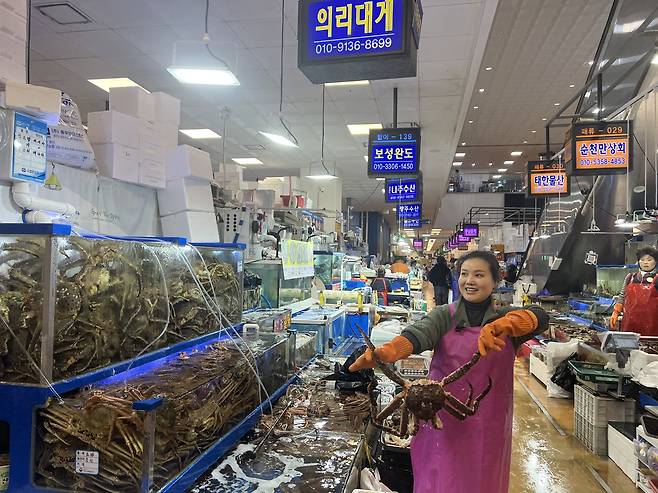
With winter in full swing, “Uiri Daegae” has become a reliable stop for diners seeking one of Korea’s most beloved seasonal delicacies: daegae, or snow crab. Located inside Seoul’s iconic Noryangjin Fish Market in Dongjak-gu, the stall is known for its generous portions, transparent pricing and a hospitality-driven approach that keeps customers coming back year after year.
While winter is often associated with bang-eo, or yellowtail, snow crab is equally seasonal, reaching its peak from November through May. Uiri Daegae specializes in premium crustaceans, including snow crab and king crab, sourcing live seafood daily to ensure freshness. Current market prices place snow crab at around 75,000 won to 80,000 won ($51-$54) per kilogram, a range that reflects both quality and the seasonal demand.
What sets Uiri Daegae apart is not only the quality of its crabs but also its generosity. Customers purchasing higher-priced crustaceans are often treated to complimentary shellfish such as clams, scallops or oysters — and on occasion, even abalone. These extras, while informal, reflect the stall’s long-standing relationships with regulars and its belief that a good seafood meal should feel abundant.
The buying process follows Noryangjin’s distinctive system. Customers select and purchase seafood directly from Uiri Daegae’s stall on the market floor, after which they are guided to a partnered restaurant upstairs. There, the crabs are expertly steamed and served, with cooking fees, side dishes and drinks paid separately. The result is a seamless transition from market selection to table service.
No visit to Uiri Daegae is complete without one final ritual. After the sweet, delicate crab meat is finished, diners are encouraged to mix rice with the savory innards left inside the shell — a uniquely Korean way to end the meal and a reminder of why snow crab is considered a winter luxury.
Uiri Daegae (Noryangjin Fish Market)
688, Nodeul-ro, Dongjak-gu, Seoul
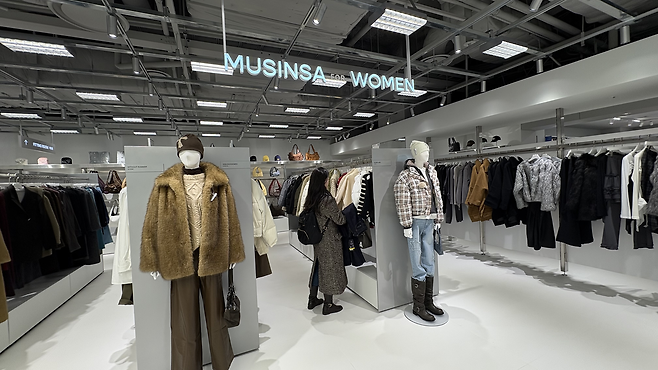
For anyone curious about what everyday fashion looks like in Korean — not the polished looks from K-dramas or idol stage fits — Musinsa is the place to start. The platform began as an online marketplace for local clothing brands, a one-stop shop where Korean labels could reach young consumers. It has since become the country's largest fashion e-commerce player, practically shaping how a generation of Koreans dress.
Then came Musinsa Standard, the company's own label. Think Uniqlo, but with a distinctly Korean sensibility: minimalist essentials — T-shirts, trousers, outerwear — cut slightly looser and more relaxed than their US or Japanese counterparts. Quality holds its own against the global SPA giants, often at comparable or lower prices.
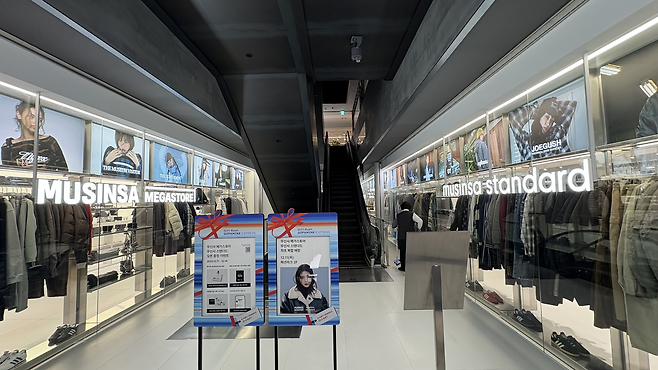
Now Musinsa has brought it all together in central Seoul. The Musinsa Megastore, which opened Dec. 11 on the second floor of Yongsan's IPARK Mall, spans 3,300 square meters — the largest single-brand retail space in the building. It sits directly above Yongsan Station, the capital's main transit hub and a near-inevitable stop for visitors moving through the city.
The store pulls together more than 200 brands across dedicated zones: womenswear, streetwear, bags and caps, sportswear, sneakers, even beauty. A separate section showcases the full Musinsa Standard lineup. QR codes throughout let shoppers check online prices and reviews on the spot, while a rotating pop-up area cycles in new finds.
As a primer on current Korean fashion, this is as comprehensive as it gets.
Open daily 10:30 a.m. to 10 p.m. Hours may vary on weekends and holidays.
Musinsa Megastore Yongsan
2F, IPARK Mall, 55 Hangang-daero 23-gil, Yongsan-gu, Seoul
jaaykim@heraldcorp.com
moonkihoon@heraldcorp.com
Copyright © 코리아헤럴드. 무단전재 및 재배포 금지.