Most believe they are considerate towards pregnant women. This survey says otherwise
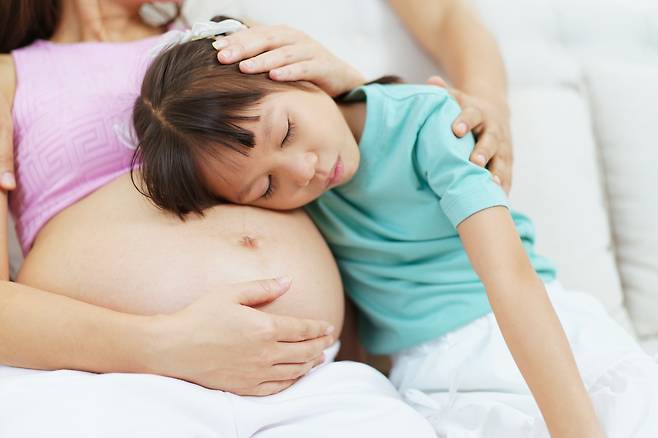
Nearly half of pregnant women said no one showed special consideration for their physical condition, a survey indicated Tuesday.
Some 56.1 percent of the surveyed women said they received consideration from others due to pregnancy, while 41 percent said they endured negative attitudes from co-workers and superiors, according to a survey by the state-run Korea Population, Health and Welfare Association.
The survey was conducted on 1,000 pregnant women and 1,000 people who have never been pregnant.
In addition to negative treatment at work, 22.9 percent of pregnant women said they experienced unfair personnel decisions, such as being passed over for promotion.
When asked to rate overall consideration for pregnant women, respondents gave an average score of 64.9, down 2 percentage points from last year.
By contrast, non-pregnant respondents rated themselves more favorably in terms of consideration for pregnant women, giving an average score of 69.1. Some 82.6 percent said they had shown consideration toward pregnant women.
Pregnant women said smoking in public spaces (82.2 percent) was the biggest nuisance from others, up 20.5 percentage points from the previous year.
When asked where they received the most help at home, 41.3 percent cited household chores, which was also the area where they said they needed the most assistance (46 percent), followed by understanding of the physical and emotional changes associated with pregnancy (19 percent).
Overall, the results indicated that consideration for pregnant women was significantly lower than the level perceived by the general public.
In daily life, 48.4 percent said giving up seats on public transportation was most necessary, while 31.3 percent said it was the area where they received the most help. In the workplace, 50 percent said they needed the most consideration in adjusting work hours, while 39 percent said they had received such support.
Copyright © 코리아헤럴드. 무단전재 및 재배포 금지.