English kindergartens face ban on entrance exams
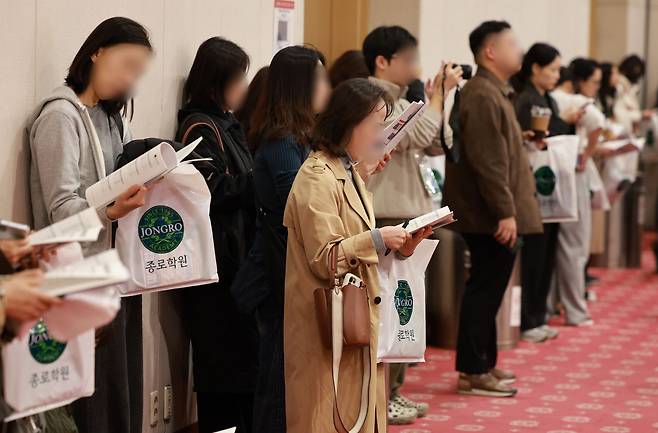
The National Assembly’s Education Committee on Tuesday approved an amendment that may soon bar English kindergartens and private academies for preschoolers from administering entrance exams.
Rep. Kang Kyung-sook of the minor liberal National Innovation Party on Sept. 24 introduced the amendment to the Act on the Establishment and Operation of Private Teaching Institutes and Extracurricular Lessons.
It seeks to prohibit cram schools, private tutors and other private educational institutions from conducting exams to screen or rank children during admissions. Teachers or operators found in violation could face fines or a business suspension order.
The legislative push follows public backlash against private English academies that administered entrance assessments to children below school age — exams that critics dubbed “state examinations for four- and seven-year-olds,” likening them to Korea’s notoriously competitive civil service exams.
Critics argued the tests assessed listening, speaking, writing and reading skills far beyond the developmental abilities of preschool-aged children.
Such early exposure to academic pressure, they warned, worsens private education spending and fuels unhealthy competition.
Authorities have had little legal basis to regulate entrance exams directly. Under current law, the government can only penalize English kindergartens for misusing kindergarten terminology or overcharging tuition, leaving admissions testing largely unregulated.
Tuesday's amendment is a softened version of the original proposal. While the initial draft would have banned even post-admission tests used for level-based class placement, the committee-approved version removed that clause.
As a result, simple oral level assessments conducted after admission will remain permitted.
The Education Committee's subcommittee for bill review had approved the amendment on Monday, before the full committee passed it on Tuesday with bipartisan support. It now awaits a vote at the plenary session for final approval.
In August, the National Human Rights Commission of Korea had also urged reforms, warning that extreme forms of early private education infringe on “children’s rights to rest and play.”
Education Minister Choi Kyo-jin echoed the concern, saying excessive early-age English programs “raise human rights issues” and should be subject to stronger regulation.
Copyright © 코리아헤럴드. 무단전재 및 재배포 금지.