Korean fast food chains turn to imports as domestic prices soar
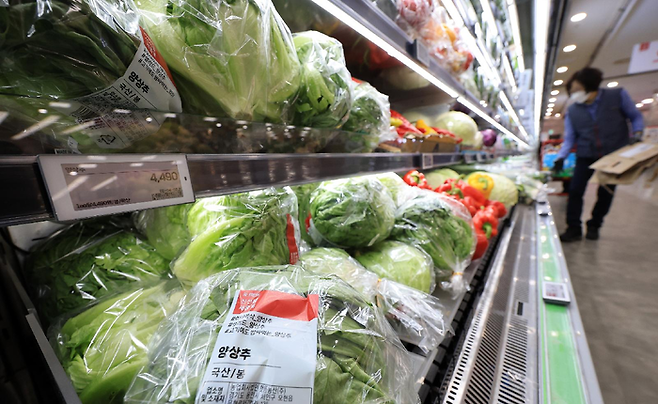
After extreme summer heat was followed by sudden cold in the fall, market supply dropped by nearly 20 percent, sending prices soaring. Major companies struggling to secure lettuce have begun adjusting menus by using substitute ingredients and are now exploring broader supply-chain solutions.
According to multiple sources from the food industry on Sunday, SPC Group’s salad brand Pig in the Garden has decided to increase its use of imported lettuce. The brand has typically used a mix of domestic and imported lettuce depending on market prices.
Imports were used only sparingly between January-March and July-September, when domestic harvests are unstable. This year, however, the switch to imports has been moved up as domestic shipments quickly declined.
The company is now revising its procurement strategy to expand its reliance on imported produce.
Burger King is also accelerating efforts to diversify its supply chain. Domestic supply usually stabilizes in November, but the chain has started securing imports earlier than usual after prices surged. It typically inspects overseas suppliers in mid-to-late December, when domestic volumes typically drop.
The lettuce supply shortage continues to worsen.
Average daily lettuce shipments at Seoul’s Garak Market from November 26 to 28 came to 42.6 tons, down about 20 percent from 52.3 tons a year earlier. Wholesale prices for 12 heads of premium lettuce jumped 55.3 percent on-year to 33,700 won.
“Securing lettuce has become difficult, and more companies are turning to substitute vegetables or increasing imports,” one food industry official said.
Major chains, including Subway, McDonald’s, and LOTTERIA, have posted notices about unstable lettuce supply, with some outlets offering alternatives for specific menu items. In a previous cold-related shortage in 2021, some brands temporarily sold burgers without lettuce.
Industry analysts say climate volatility is likely to push food companies to reduce reliance on domestic production and build multi-country sourcing models to stabilize supply.
Copyright © 매일경제 & mk.co.kr. 무단 전재, 재배포 및 AI학습 이용 금지
- “이재명 대통령, 내게 형이라고”…‘200억 기부’ 이 가수, 어떤 인연이길래 - 매일경제
- “‘아침밥 달라’하면 헤어질 결심한다”는 돌싱녀들…남성은? - 매일경제
- 용산 뺀 전 지역 매물 급감…살수도 팔수도 없는 서울 주택시장 - 매일경제
- 비트코인 죽을때까지 안 판다던 ‘이 남자’...급락 못 버티고 매도 버튼 손 올렸다 - 매일경제
- 고개숙인 日관료 앞에 손 찔러넣은 중국...‘오만한 태도’ 논란 일자 해명했다는데 - 매일경제
- 김장배추에 검은깨가 ‘다닥다닥’…곰팡인 아니라는데, 먹어도 될까 - 매일경제
- “10만원에 30분 레슨, 효과 없었는데”…골프스윙도 제미나이가 봐준다 - 매일경제
- ‘정보유출’ 의혹 쿠팡 중국인 前직원, 고객에 협박 메일 보냈다고? - 매일경제
- “여보, 월급 가지고 부족한거 알지?”…직장인 부업자 40만명 넘어 - 매일경제
- 기적 없이 ‘강등 엔딩’, 모범 시민구단 대구의 추락과 약속…“구단 운영 시스템 전반을 재검