Korean bottled water brands turn to biodegradable packaging
Plastic used in bottled water is one of the most persistent types of waste. According to a United Nations report, as the bottled water market rapidly expands, about 600 billion plastic containers are produced each year as of 2021, with 85 percent of them ending up in landfills.
Tetra Pak South Korea, a leading pre-processing and packaging solutions company, announced last Friday that it has partnered with Swedish premium electric vehicle brand Polestar Korea to launch “Polestar Water,” a paper-packaged bottled water.
The new bottled water will be produced by iN Nature Dream’s “Gipeunmul,” which uses Tetra Pak’s paper-based packaging. Based on Gipeunmul, Polestar Water minimizes label printing and removes unnecessary decorations. The product will be available at Polestar stores nationwide, as well as at test drive events and brand promotions starting next month.
At the “Fire Baseball” live game held earlier this month at Gocheok Sky Dome in Seoul, bottled water was distributed in environmentally friendly containers as well.
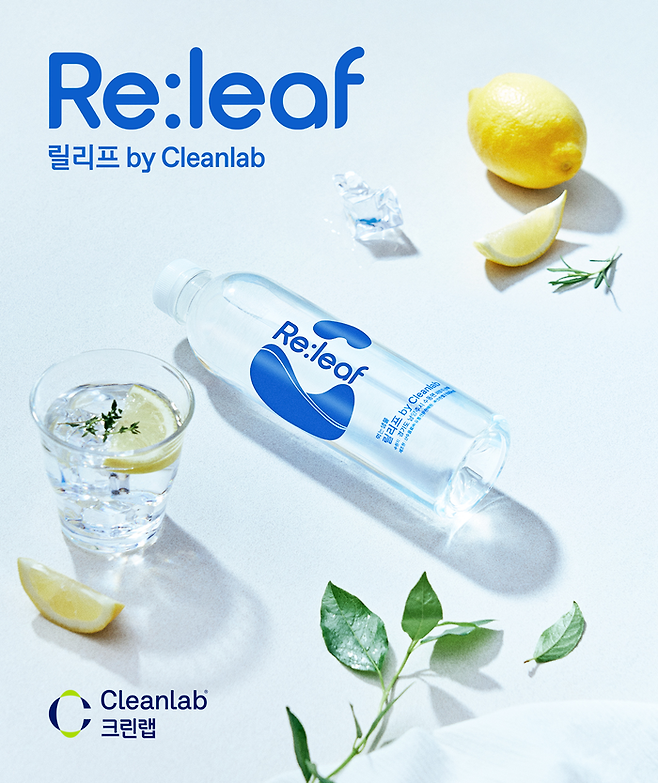
The event featured “Re:lief,” a water brand launched by Cleanwrap, which uses 100 percent sugarcane-derived PLA for its packaging. PLA is a biodegradable material that can be composted or converted to biogas and is emerging as an eco-friendly alternative to petroleum-based plastics.
Sugarcane-based eco-containers are gaining traction across the food industry. Last month, Oriental Brewery donated 45,000 bottles of “OB Water,” packaged in sugarcane-based containers, to the Hope Bridge Korea Disaster Relief Association.
Although replacing traditional plastic with alternative materials slightly increases production costs, a significant portion of consumers in their 20s and 30s say they are willing to pay more for environmentally friendly products. According to a report by the Korea Environment Institute, Korean consumers are willing to pay an additional 896 won ($0.61) for carbon-reduced certified water and 1,068 won for microplastic-free bottled water.
Some companies are also reducing carbon emissions by cutting container weight while continuing to use plastic. Jeju Samdasoo, Korea’s leading bottled water brand, has reduced the average weight of its bottles by 12 percent while increasing compression strength by 15 percent, cutting annual plastic use by about 3,400 tons.
Lotte Chilsung Beverage’s bottled water brand “ICIS” also introduced Korea’s first ultra-light bottle weighing less than 10 grams last year. Lotte Chilsung was the first in the country to use 100 percent mechanically recycled PET (MR-PET) for its Chilsung Cider.
Copyright © 매일경제 & mk.co.kr. 무단 전재, 재배포 및 AI학습 이용 금지
- 대통령실도 “엄정 조치하라”…양양군 7급 공무원 갑질 논란 확산 - 매일경제
- 강남 50억 아파트 사는 세가족 1인분 주문하고 버럭…갑질에 직원 퇴사 - 매일경제
- [단독] “한은의 공포마케팅, 진짜 위기 부른다”…원화 스테이블코인 미루면 ‘혁신 지체’ -
- “입주민 나갈 때까진 못나가”…아파트 출구 이용 ‘갑질’에 결국 담넘은 배달기사 - 매일경
- 드디어 ‘돈방석’ 앉는거야…조폐공사, 진짜 돈 담긴 굿즈 출시 화제 - 매일경제
- 정유라, 한동훈 등 상대 전방위 소송 예고…“결혼도 미루고 10년간 칼 갈았다” - 매일경제
- “내가 떨어진다고 했지?”…잘나가던 팰런티어 하락베팅 결과 ‘대박’ - 매일경제
- 환율 치솟고 집값은 들썩이고…올해 기준금리 동결, 내년엔 금리인하 종결? - 매일경제
- “시험에서 챗GPT 쓴 학생? F입니다”…대학가 확산되는 AI 부정행위 - 매일경제
- ‘리그 1호골’ 이강인, 벤치신세->“눈부신 기량” 극찬->챔스 선발까지? - MK스포츠