LG Energy Solution bets on homegrown LFP with 2027 launch
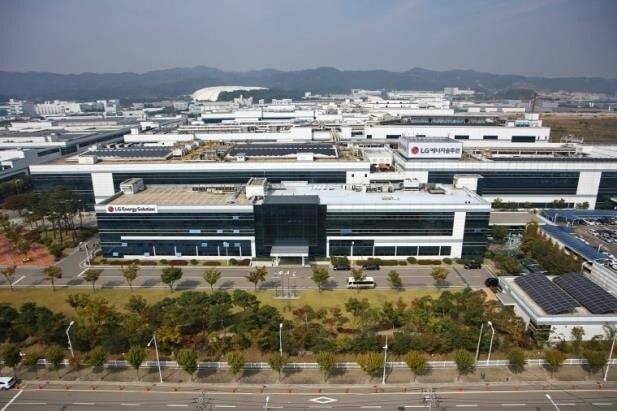
LG Energy Solution has become the first Korean battery-maker to lock in a domestic production schedule for lithium iron phosphate batteries, reinforcing its position as the only non-Chinese producer of LFP cells amid accelerating worldwide demand for lower-cost, high-stability batteries.
The company said Monday that its Ochang plant in Cheongju, North Chungcheong Province, will begin commercial production of LFP batteries for energy storage systems in 2027, starting with one gigawatt hour of annual capacity. Installation of production lines will begin later this year, and LG Energy Solution plans to scale up output in line with rising market needs.
The decision marks a strategic shift for Korea’s top battery-maker, which already manufactures LFP products in the US and China but has yet to produce them at home. Executives say domestic output is crucial to strengthening Korea’s battery supply chain and positioning the firm for new growth in the rapidly expanding ESS sector.
“Ochang Energy Plant is LG Energy Solution’s ‘mother factory’ that serves as the hub for the development and manufacture of our entire product portfolio,” said Kim Hyung-sik, vice president and head of the company’s ESS battery division. “Producing LFP batteries for ESS here will mark the starting point for a new phase of challenge and growth in Korea’s ESS industry ecosystem.”
The domestic launch also enhances LG Energy Solution’s competitiveness in government-driven ESS projects, where policy incentives increasingly reward local production. The timing aligns with the Korea Power Exchange’s ongoing selection of contractors for the second round of bids for a 540 megawatt-hour ESS construction project slated for completion by the end of 2027 — the same year LG’s LFP lines come online.
Heightened competition was evident in the previous bidding round in July. Despite LG Energy Solution’s global ESS track record and a 120 gigawatt-hour order backlog, the company secured only 24 percent of total capacity with its LFP batteries. Samsung SDI swept the remaining 76 percent with its nickel-cobalt-aluminum cells, partly due to a lower bid price and the company’s domestic NCA production at its Ulsan plant. SK On won no share.
In the new round, non-price factors such as local industry contribution will carry more weight, rising from 40 percent to 50 percent in the evaluation — making domestic LFP output even more valuable.
“LFP is more suitable than nickel-based ternary batteries in terms of cost and stability. This is an investment worth making to gain an advantage in central government bids,” said Park Cheol-wan, an automotive engineering professor at Seojeong University.
Park added that with additional investment, the new facilities could eventually pivot to produce LFP cells for electric vehicles, allowing LG Energy Solution to supply domestic automakers without major cost burdens.
Copyright © 코리아헤럴드. 무단전재 및 재배포 금지.