UNESCO World Heritage in Gyeongju
Traces of a civilization’s radiant legacy
Gyeongju, the ancient capital of the Silla Kingdom (57 BC-AD 935), stands as a living testament to Korea’s golden age, where culture, science and the arts flourished for a millennium. Its remarkable heritage includes Seokguram, Bulguksa and the Gyeongju Historic Areas — all inscribed on the UNESCO World Heritage List.
The Gyeongju Historic Areas comprise five zones — Mount Namsan, Wolseong, Tumuli Park, Hwangnyongsa and Sanseong Fortress — each representing a different facet of Silla’s royal, religious and artistic life. Together, these sites showcase the kingdom’s spiritual depth, architectural brilliance and enduring cultural achievements, making Gyeongju a place where Korea’s ancient legacy continues to shine.
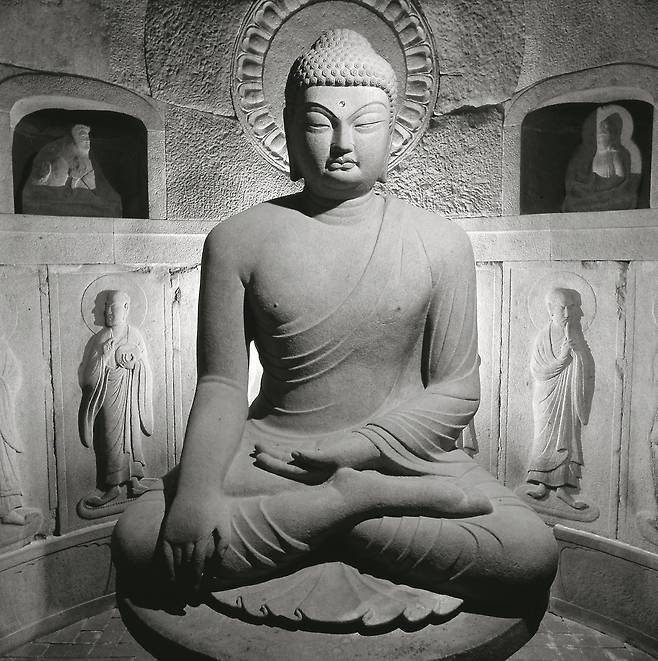
Seokguram (774)
Date of UNESCO inscription: 1995
Carved with extraordinary precision from granite, Seokguram enshrines a serene statue of the Sakyamuni Buddha gazing toward the East Sea. The grotto’s domed ceiling and more than 360 interlocking stone slabs reveal the Silla Kingdom’s advanced engineering and spiritual artistry, earning it recognition as a masterpiece of East Asian Buddhist art.
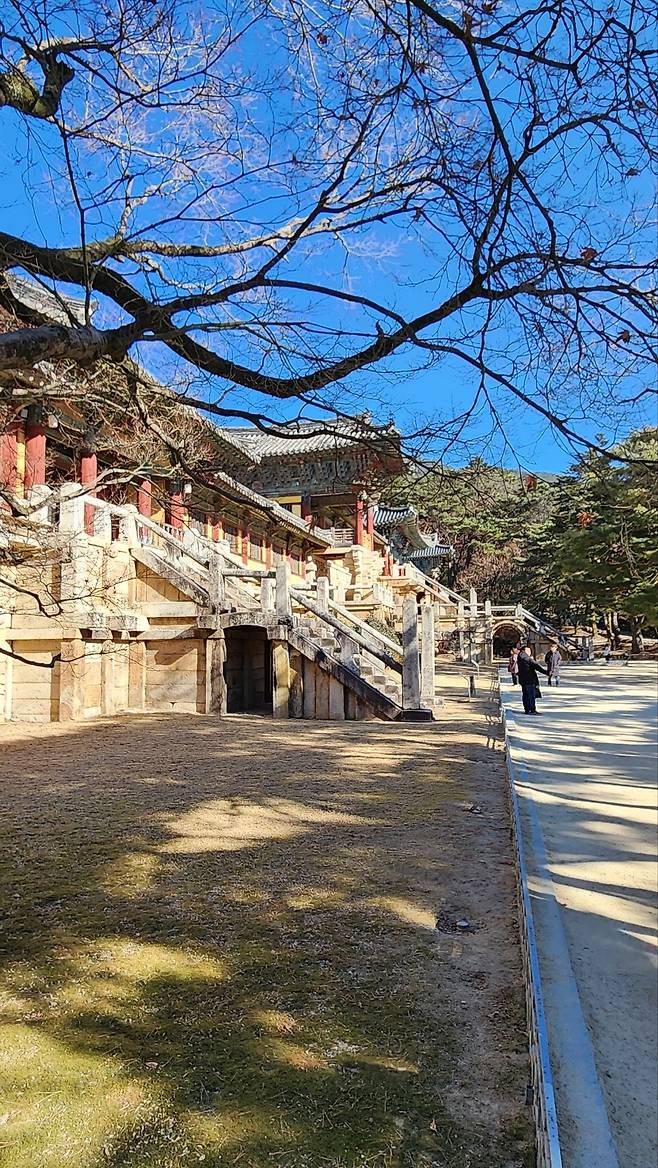
Bulguksa (774)
Date of UNESCO inscription: 1995
A jewel of Buddhist architecture, Bulguksa is a temple that embodies the Silla vision of a Buddha’s land on earth. Its elegant pagodas, stone bridges and terraces harmonize with nature to symbolize spiritual enlightenment, showcasing the era’s sophisticated design and craftsmanship.
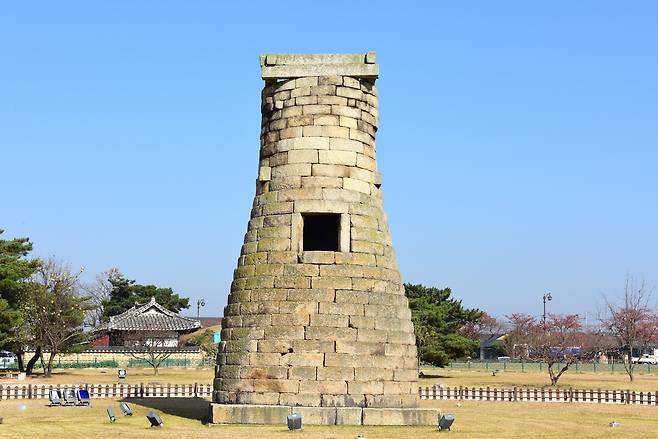
Cheomseongdae (632-647)
Date of UNESCO inscription: 2000
Cheomseongdae is a national treasure within the Gyeongju Historic Areas designated as UNESCO World Heritage in 2000. Built during the reign of Queen Seondeok, Cheomseongdae is Asia’s oldest surviving astronomical observatory. Standing nine meters tall, this stone structure reflects the Silla people’s keen observation of the heavens, as astronomy guided both agriculture and state affairs.
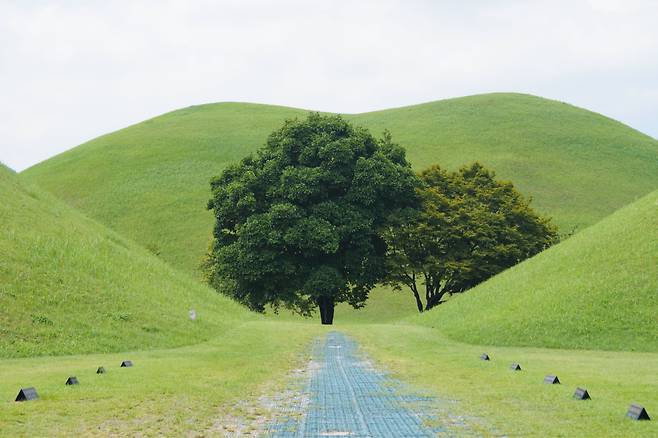
Hwangnamdaechong (before 500-514)
Date of UNESCO inscription: 2000
The Great Tomb of Hwangnam is a national treasure located within the Gyeongju Historic Areas, designated as a UNESCO World Heritage site in 2000.
The largest of Silla’s royal tombs rises in twin mounds symbolizing a royal couple. Excavations have uncovered lavish burial goods and human remains, offering profound insight into the power, rituals and artistry of early Silla society.
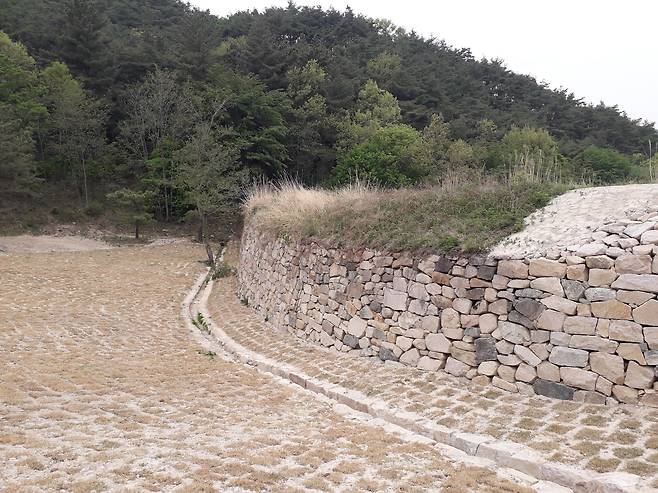
Myeonghwalseong (before 405)
Date of UNESCO inscription: 2000
Myeonghwalseong Fortress is a national treasure located within the Gyeongju Historic Areas, designated as a UNESCO World Heritage site in 2000.
Encircling the summit of Myeonghwalsan, this ancient stone fortress guarded the Silla capital for centuries. Built before the fifth century and later expanded under King Jinheung, it stood as both a strategic military bastion and a testament to the kingdom’s resilience.
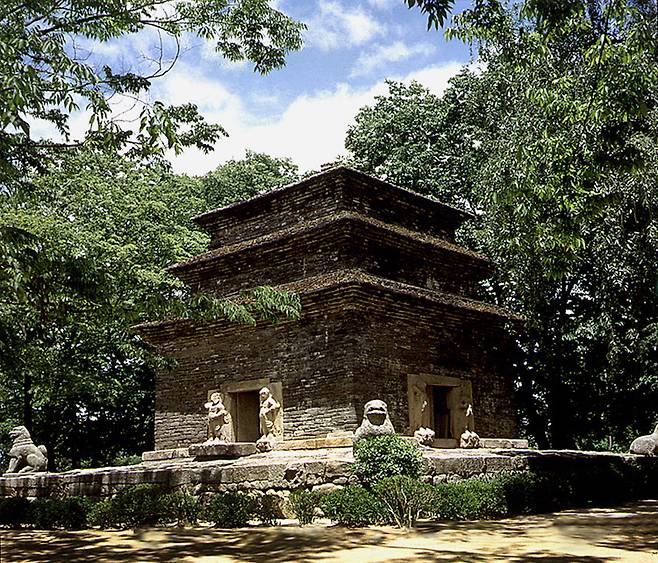
Stone Brick Pagoda of Bunhwangsa (634)
Date of UNESCO inscription: 2000
The Stone Brick Pagoda of Bunhwangsa, built in 634 during the reign of Queen Seondeok, is the oldest surviving stone pagoda from the Silla Kingdom. Constructed with brick-shaped stones trimmed from black andesite, the three remaining stories stand on a solid platform adorned with granite lions at each corner. Renowned for its elegant yet powerful guardian statues, the pagoda offers invaluable insight into the artistry and craftsmanship of seventh-century Silla Buddhist art.
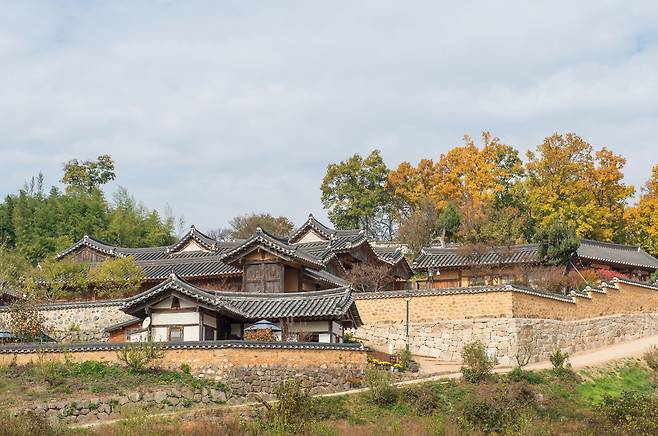
Yangdong Village (early Joseon period)
Date of UNESCO inscription: 2010
Nestled among rolling hills and streams, Yangdong Village preserves the refined traditions of the Confucian aristocracy of the Joseon era (1392-1910). Home to the Wolseong Son and Yeogang Yi clans, its centuries-old houses and serene landscape illustrate the harmony between social order, architecture and nature.
Copyright © 코리아헤럴드. 무단전재 및 재배포 금지.