Kwangdong Pharm scraps exchangeable bond plan after regulator’s warning
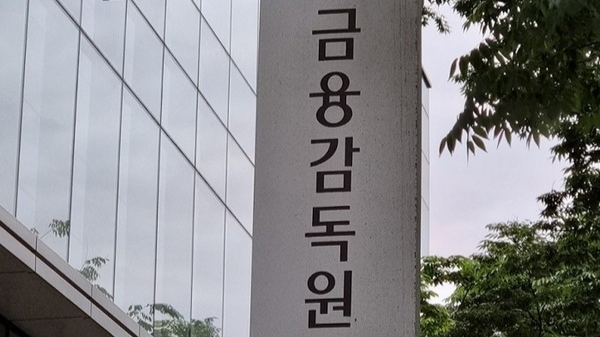
The drugmaker announced on Tuesday that it had revoked its earlier decision on October 20 to dispose of 25 billion won ($17.4 million) worth of treasury shares. In a revised filing, the company said, “After discussions with the lead manager, we decided to cancel the EB issuance,” adding that it will instead proceed with a capital increase for an affiliate through alternative funding channels.
The move follows the FSS’s correction order issued on October 23. The regulator, which has tightened EB disclosure rules since October 20, selected Kwangdong Pharm as the first company to be reviewed under the new system after it filed an EB issuance notice on the same day.
The FSS explained that the company’s original filing failed to meet disclosure requirements under Article 4-5 of the Regulations on Securities Issuance and Disclosure, particularly in the section for “other information relevant to investment decisions.”
The regulator had earlier announced on October 16 that it would strengthen disclosure standards to curb indiscriminate EB issuance by listed firms, requiring detailed reporting on governance impact, shareholder interests, issuance rationale, and validity assessments.
Kwangdong’s withdrawal is expected to weigh on other companies considering similar financing methods. With EB issuance now facing tougher oversight, alternatives such as share swaps—which can restore voting rights—and price return swaps (PRS)—which provide liquidity without being recorded as debt—are emerging as potential substitutes.
Kwangdong carried out a 22 billion won share swap with Kumbi Co. and others in September, prior to its scrapped EB plan.
Copyright © 매일경제 & mk.co.kr. 무단 전재, 재배포 및 AI학습 이용 금지
- 오늘의 운세 2025년 10월 29일 水(음력 9월 9일) - 매일경제
- “홈플러스, 끝내 청산길? 10만 노동자 어디로”…‘절벽 끝’ 유통거인 운명은 - 매일경제
- 금값 4000달러 무너졌다…‘골드러시’ 뛰어든 개미들 피눈물 - 매일경제
- “수년을 물렸는데 조금만 올라도 팔아야죠”…이래서 개미 수익률이 - 매일경제
- “위원장님, 비닐바지는 참으셔야 합니다”…‘장관급’ 가수의 컴백 - 매일경제
- [속보] SK하이닉스 3분기 영업이익 11조3834억원…창사 이래 최대 - 매일경제
- 전한길, 트럼프에 “난 한국의 찰리 커크…죽어가는 윤, 꼭 면회해달라” - 매일경제
- 대표 명의 사과문 올린 런던베이글...“다만 과로사 여부는 답 못해” - 매일경제
- 업데이트로 떠난 민심 되살릴 ‘한 방’…카카오톡 안에 챗GPT 심었다 - 매일경제
- 손흥민의 프리킥 골, 2025 MLS 올해의 골 선정 - MK스포츠