Jeju offers cash to restaurants that welcome children, challenging Korea's ‘no-kids’ zones
Jeju Island is launching a new program to subsidize restaurants that welcome children, offering public support for “Yes Kids Zones” as an alternative to the controversial practice of banning children from certain businesses in South Korea.
The island's provincial government said Wednesday that 64 restaurants in Jeju have applied to participate in the new initiative. Each will receive a one-time payment of 300,000 won ($210) to purchase items such as child safety equipment, high chairs, or utensils. Final selections will be confirmed later this month following a review by Jeju’s Local Subsidy Management Committee.
The initiative is the first of its kind in South Korea, where “no-kids zones” have become common over the past decade. Such establishments, often cafes, restaurants or cultural venues, prohibit entry to children, usually those under 12 or 13. Though not based in law, the policy is allowed under business discretion and has sparked ongoing debate over rights, liability and public space.
The rise of no-kids zones began in the early 2010s, gaining momentum after a 2013 court ruling held a restaurant partially liable when a child collided with an employee carrying hot water. In the years since, concerns about accidents, noise and customer comfort have led other businesses to adopt the policy, particularly in busy or tourism-heavy areas.
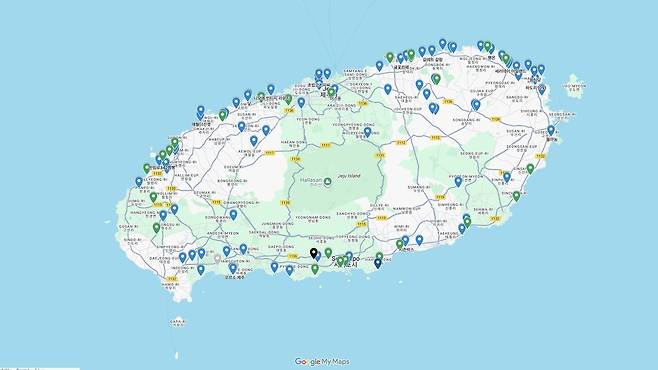
According to a 2023 public database that maps no-kids zones nationwide, more than 500 such establishments currently operate in South Korea. Over 20 percent are in Jeju Island, giving the island the second-highest number of these businesses in the country. A 2024 sample survey by Jeju’s local government found that 80 out of 152 identified businesses were still actively enforcing child bans, while others had closed or dropped the policy.
Public opinion remains divided. A national survey conducted in 2023 showed that 62 percent of Korean adults supported no-kids zones, citing reasons such as noise reduction and safety. On the other hand, the National Human Rights Commission of Korea has stated that blanket child bans violate the constitutional right to equality and the UN Convention on the Rights of the Child. The commission’s 2017 finding is non-binding and carries no legal force.
The program also aligns with Jeju’s broader child welfare goals. In July, the island was certified by UNICEF Korea as a Child Friendly City, based on the UN’s standards for child rights in local governance. Lee Hye-ran, head of Jeju’s family welfare bureau, said the new policy reflects the province’s effort to build a “safe and respectful environment where children can freely pursue their dreams.”
Copyright © 코리아헤럴드. 무단전재 및 재배포 금지.