Lexus, Volvo, Audi vie for 4th place in Korea’s import car spot
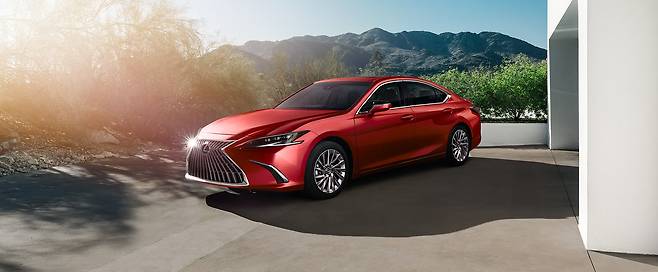
Lexus and Volvo are locked in fierce competition to claim the No. 4 spot in Korea’s imported car market, while BMW, Mercedes-Benz and Tesla dominate the top three by a wide margin.
The fight for the “gateway position” into the upper tier has grown more intense as Audi ramps up new model launches to reclaim its position among the leading imported brands.
According to data from the Korea Automobile Importers and Distributors Association, Lexus ranked fourth in cumulative sales from January to August with 10,212 units, capturing 5.3 percent of the market.
The Japanese luxury brand overtook Volvo, which sold 9,095 units after holding fourth place for two consecutive years.
Lexus has benefited from the overall popularity of hybrid vehicles in Korea, capitalizing on the growing market trend with its hybrid lineup.
Though Lexus introduced three new models this year, sales were still led by older hybrids — the ES300h sedan and NX350h sport utility vehicle, last updated in 2021 and 2022, respectively. The two models accounted for 41.5 percent and 24 percent of the brand’s total sales.
A Lexus official said the performance also reflects the brand’s growing trust; it earned the top score in a recent Consumer Insight survey on brands that deliver the best value for money in the Korean market in terms of product and service quality.
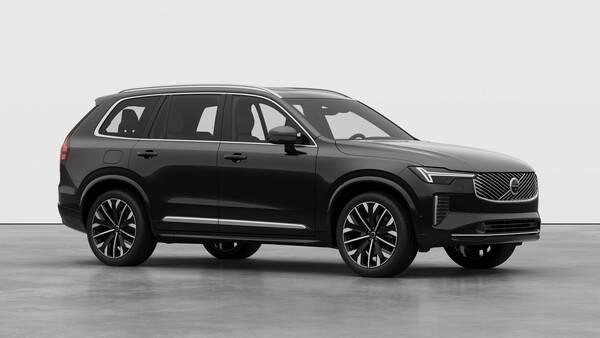
Volvo saw a 5.8 percent year-on-year drop in sales in the first half of the year, but has ramped up new model launches across a wider range of powertrains. The strategy paid off in August, when Volvo’s monthly sales surpassed Lexus with a 29.4 percent increase from the previous month.
The brand is betting on its flagship hybrid models, the XC90 SUV and S90 sedan, both launched in July in Korea. Volvo expects steady growth with the XC90 in particular, as it offers premium features such as air suspension while keeping prices lower than in key markets like Germany, Japan and the United Kingdom.
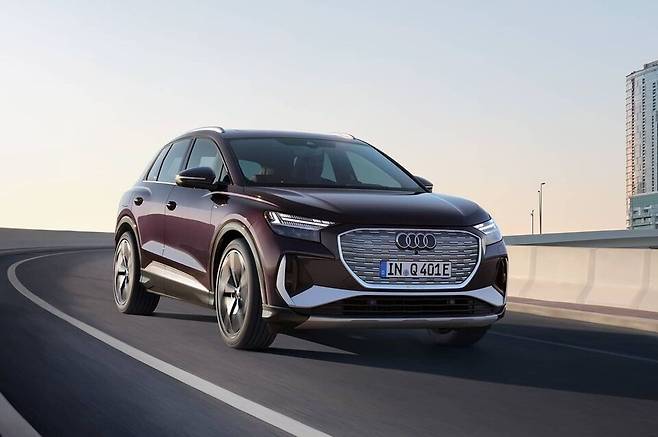
Audi, whose sales fell sharply from over 25,000 units in 2021 to 9,304 last year, is also pushing aggressive rollouts to regain its former standing. The company has pledged to introduce 16 new models by 2025 and had already launched 11 by September. Its sales between January and August rose 34 percent year-on-year to 7,432 units.
The German luxury brand plans to release 10 more models in Korea next year, continuing its growth strategy.
Experts say the pace of new launches will play a decisive role in the battle for mid-table positions.
“Lexus benefits from steady hybrid demand and consumers who value dependable quality, so they rarely worry about breakdowns,” said Kwon Yong-joo, an automotive design professor at Kookmin University.
“But this demand is stable rather than rising. Generally, sales grow as consumers anticipate new features, so to stay competitive, brands must keep introducing fresh models.”
Copyright © 코리아헤럴드. 무단전재 및 재배포 금지.