The time of compost
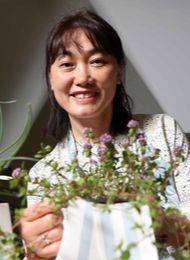
Oh Kyung-ah The author is a garden designer and the CEO of OhGardens.
Designing a garden often comes with moments of realization. There is the season of dazzling flower beds, filled with blossoms at their peak, but there also comes a time when petals and leaves fall away, leaving a scene that looks messy and forlorn. Envisioning a garden means imagining beauty, yet if one does not also prepare for decline, disappointment follows. This is why the design of a compost bin matters as much as the layout of a flower bed.
![Withered flowers, branches, and fallen leaves are gathered in a corner of the garden before being moved to the compost bin. [OH KYUNG-AH]](https://img3.daumcdn.net/thumb/R658x0.q70/?fname=https://t1.daumcdn.net/news/202510/01/koreajoongangdaily/20251001000649545khul.jpg)
Autumn, the most beloved season for many gardeners, carries a dual character. Chrysanthemums and asters bloom before the cold sets in, while leaves turn into shades of orange, yellow and red. The display is often more vivid than flowers themselves, a moment when the garden reaches its height. But the season of brilliance is brief. Withering leaves and fading flowers soon scatter in the wind, trampled underfoot and mixed with rain and snow until they no longer appear beautiful. Yet this disorder signals what is to come. In the mysterious rhythm of gardens, decay becomes the very beginning of renewal.
Scientists note that Earth’s beauty lies in its ability to cleanse itself, to break down what is no longer useful. The garden offers a glimpse of this process. In lectures, I often suggest building not just one compost bin but three. The first collects fallen leaves, twigs and other remnants for a year. In the second year, the contents move to the next bin and by the third year they are shifted once more. At this stage, something remarkable appears: The remnants of plants, broken down by microorganisms, have turned into a fine, brown compost. This compost returns to the garden, enriching the soil and nourishing new growth.
Autumn, then, is a time for transformation. The season gathers what is shabby and unsightly and sets it aside for purification. People, too, may need such a season. Once radiant but now worn, our bodies and minds could benefit from being swept clean, stored for a while and allowed the slow work of decomposition and renewal. Compost teaches patience and perspective: what appears to be the end is often the preparation for another beginning.
This article was originally written in Korean and translated by a bilingual reporter with the help of generative AI tools. It was then edited by a native English-speaking editor. All AI-assisted translations are reviewed and refined by our newsroom.
Copyright © 코리아중앙데일리. 무단전재 및 재배포 금지.
- $350 billion investment dispute derails Korea-U.S. tariff negotiations
- Korean national arrested in prostitution raid on Ohio massage parlors
- North Korea publicly tries, humiliates women for illegal breast implants
- 'Unconstitutional': Shocked politicians, prosecutors resist Friday's bill as debate continues
- China's EV invasion continues with Tesla rival Xpeng set to enter Korean market
- Korean Air offers 1:1 Asiana mileage conversion, 10-year retention ahead of merger
- Man arrested for allegedly killing girlfriend, storing body in kimchi refrigerator
- Kim Soo-hyun addresses dating claims by releasing personal diary entries online
- 'Bon Appetit, Your Majesty' concludes with record-breaking viewership ratings on tvN
- KakaoTalk to make list-style friends directory the default — again