GM Korea restructuring concerns resurface after labor law revision
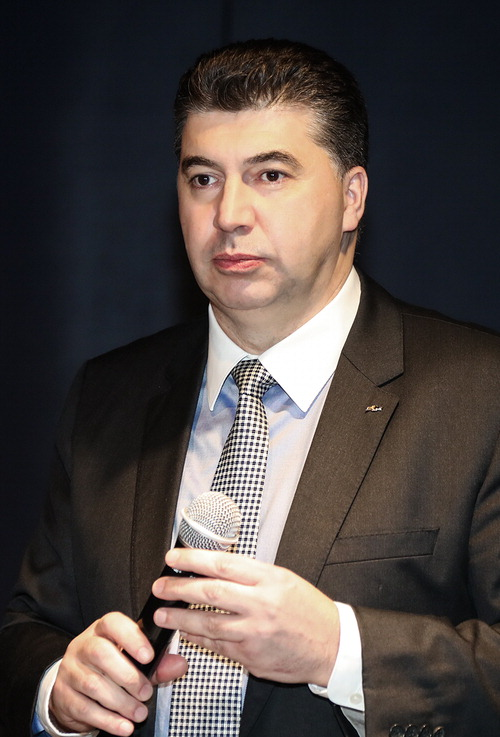
GM Korea Co. Chief Executive Officer Hector Villarreal reportedly urged the Korean government to reconsider the legislation during a meeting convened by the Ministry of Employment and Labor with executives from the auto, shipbuilding, and steel industries in August 2025. The amended law broadens the scope of worker protections, including limits on companies’ ability to seek damages from strikes - a change that observers warn could intensify labor-management conflict. The GM Korea labor union began a three-day partial strike on Monday, staging four-hour work stoppages each day and adding to the tensions.
After 16 months under restriction, Kazem won a case at the Seoul Administrative Court in April 2021, but prosecutors and the Justice Ministry quickly appealed and reimposed the ban. The measure was lifted only when the ministry withdrew its appeal.
The issue flared again in 2022, when GM headquarters appointed Kazem as executive vice president of Shanghai GM. The Justice Ministry reinstated the travel ban, preventing him from taking the post. The move drew public criticism as excessive pressure on corporate activity, leading the ministry to eventually lift the ban. GM headquarters at the time expressed regret, and the controversy subsided.
Against this backdrop, GM headquarters is keeping its restructuring options open. During an earnings call in the United States on August 13th, General Motors Chief Financial Officer Paul Jacobson said that of the $5 billion in tariff impact GM faces globally, about $2 billion stems from GM Korea, adding that the company will take any measures necessary to secure profitability in Korea in the same way it did in China.
Copyright © 매일경제 & mk.co.kr. 무단 전재, 재배포 및 AI학습 이용 금지
- “7명 수발 제왕처럼”...서울구치소 CCTV 확인한 여당 의원들 “윤석열 속옷차림 확인” - 매일경
- 로봇 700대가 전기차 조립…하루 1000대 뚝딱 - 매일경제
- “지금 밥이 넘어가냐”…중학교 교장 머리에 급식판 쏟은 학부모, 결국 - 매일경제
- [단독] “1인당 평균 1억원 성과급”…SK하이닉스, 노사협상 잠정합의, 파업 위기 넘겨 - 매일경제
- “현금 부자가 이렇게 많았나”…6·27 규제 적용에도 잠실르엘 1순위 청약률 ‘무려’ - 매일경
- “진짜 멘탈 잡기 힘드네요”...반도체주 끌어내린 대외악재, 투자자는 속수무책 - 매일경제
- “규제 직전 막차 탔다”…‘영끌’로 압구정현대 105억원에 사들인 30대 정체 - 매일경제
- [속보] 8월 소비자물가 1.7% 상승…9개월 만에 최저 - 매일경제
- “포문을 열어라”…전세계가 ‘K-방산’에 반했다 - 매일경제
- [속보] 김하성, 부상 복귀 앞두고 애틀란타로 전격 이적! - MK스포츠