At these parties, looks are the ticket in
이 글자크기로 변경됩니다.
(예시) 가장 빠른 뉴스가 있고 다양한 정보, 쌍방향 소통이 숨쉬는 다음뉴스를 만나보세요. 다음뉴스는 국내외 주요이슈와 실시간 속보, 문화생활 및 다양한 분야의 뉴스를 입체적으로 전달하고 있습니다.
At 33 years old, standing 159.8 centimeters tall (160.8 on a good day) and weighing just under 52 kilograms, she thought she had supplied more than enough for the organizers to go on. She even selected her best photos—hair styled, makeup precise—and sent them off. Then she waited, three anxious hours with her phone in hand.
The reply was curt: “Application declined. Unfortunately, the fit was not right.”
It was not a television audition, nor the first step in a pop idol career. It was, instead, a bid for admission to a party.
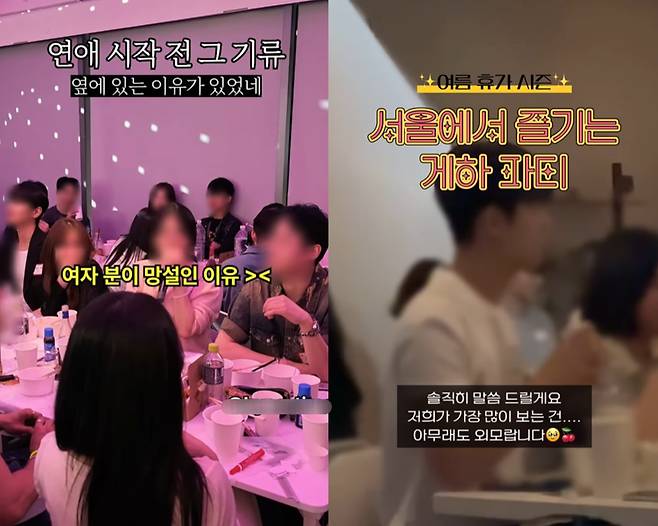
Across South Korea, so-called “appearance approval parties” have emerged as a curious new ritual for people in their twenties and thirties. The premise is as stark as it sounds: applicants submit photographs—sometimes headshots, sometimes full-length portraits—for review. Only those deemed attractive enough are allowed in. The rest receive a brief rejection and, at best, a refund.
For reasons both obvious and elusive, the model has proved wildly popular. Some events draw thousands of applicants in a single month, with acceptance rates hovering around 27 percent. Tickets cost 40,000 to 70,000 won, or roughly $30 to $50. In return, attendees are promised not career networking or status talk, but an evening of drinks, games, and conversation—among peers who have all passed the same filter: their looks.
“Even if someone has a good job or a great background, if you’re not drawn to their appearance, it’s hard to feel attracted,” said a woman in her twenties who joined one of the events. “Why not confirm that first?”
For some, the gatherings feel safer than traditional blind dates. “With one-on-one setups, you can be disappointed if the person looks nothing like their photo,” said a 26-year-old man. “Here, you meet many people, and the odds are better.”
Behind the scenes, small event companies sift through hundreds of applications each day. One organizer said his team spends hours reviewing photos, allowing through fewer than one in three. His rationale was plain: to create “a space where people already feel mutual attraction.”
At the parties themselves, guests are seated in groups, share food and drinks, and take part in icebreaker games. Talk of jobs is not just discouraged but banned outright—some hosts even brand the gatherings with slogans like “Forget résumés. Only looks get you in.”
To sociologists, the trend reveals as much about shifting cultural values as it does about dating. “While many young people hesitate about marriage, it still begins with meeting,” said Koo Jeong-woo, a professor at Sungkyunkwan University. “These parties are simply a new way of doing that.”
Others warn that novelty may carry consequences. Kim Jung-baek, a professor at Kyung Hee University, cautioned that what seems like a niche fad could harden South Korea’s already entrenched culture of lookism. “If it spreads further,” he said, “it risks entrenching superficial judgments and worsening social divides.”
Copyright © 조선일보. 무단전재 및 재배포 금지.
- 뉴욕 타임스퀘어에 뜬 ‘봉화사과’… 공무원이 사비 털어 광고했다
- 종합특검, ‘내란 가담’ 강호필 前 지작사령관·박재열 前 7군단장 기소
- “대미투자 늦어지면 관세 인상”... 美 압박하자, 청와대 긴급회의
- 7월 가계대출, 대출 규제 등에 증가폭 축소
- [현장르포] 울면 안아주고 다시 요가…‘아기동반운동’에 몰린 엄마들
- 금융위 “청년에 비아파트 구입 추가 기회 제공”
- 32개월 아이 떠나보낸 엄마 “소아 응급 의료시설 확충 필요” 청원
- [만물상] 권력자의 최측근
- 장태석 크래프톤 총괄, 게임업계 연봉 1위 등극
- 미8군 “UFS 중점, 동맹 현대화…제1도련선 전투력 투사 입증”