Luxury brands, global funds flock to Seoul hotels
Fueled by a surge in the number of visitors, Seoul’s hotel scene is growing more vibrant, drawing in luxury hotel brands and foreign investors looking for a bite of the booming market.
Just two or three years ago, many hotel properties had been either converted into office space or closed altogether due to the impact of the COVID-19 pandemic. Now, with inbound tourism rebounding, hotels are attracting renewed attention.
According to data released by the Korea Tourism Organization on July 31, a total of 8.83 million foreign visitors came to Korea between January and June, up 1.12 million from the same period last year. The figure marks a 104 percent recovery from the pre-pandemic level in 2019.
An increasing number of top-tier luxury hotel brands are looking to establish a presence in Seoul.
Rosewood Seoul is set to open at The Parkside Seoul, a development occupying the former site of the United Nations Command in central Seoul in 2027, while Capella Hotels & Resorts, a Singapore-based hospitality group recognized for its ultra-luxury positioning, will introduce Capella Residences Seoul in southern Seoul in the same year.

Though Korea continues to lack an Aman property -- renowned for its ultra-luxury offerings -- Aman Group is set to make its first foray into Korea through its second brand, Janu, with two upcoming properties: one in Seoul and another on Jeju Island in 2027. Korea will become Janu’s sixth global destination and its second in Northeast Asia following Tokyo.
Although Janu Seoul was initially expected to be developed at a site near Seoul Station, the plan has fallen through. The property is now likely to be located in Cheongdam, an affluent district in southern Seoul.
Instead, a Mandarin Oriental hotel will step into the Seoul Station development site by 2029, becoming the brand's first location here.
The Ritz-Carlton, a top-tier franchise under hotel giant Marriott International, is set to open at the redeveloped Millennium Hilton Seoul site in central Seoul by 2031.
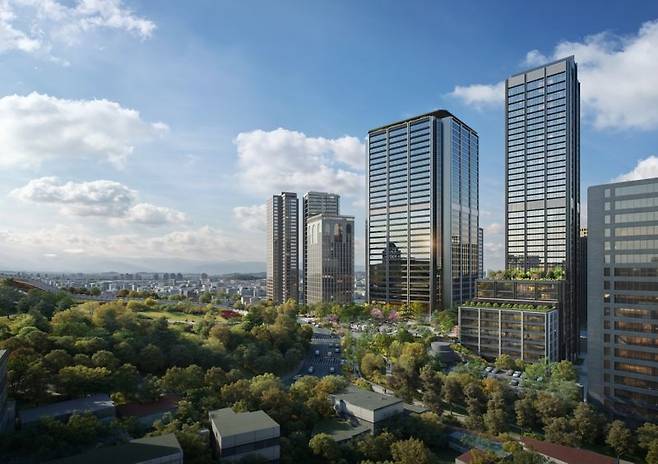
“Seoul was once said to lack true luxury hotels, but its luxury hospitality landscape is now evolving rapidly,” an official from a local real estate asset manager said.
“This trend is fueled by the city’s appeal to both international visitors and the affluent domestic population.”
Along with rising demand for accommodation, four-star properties are seeing an increase in foreign investor interest as well.
The improved profitability of mid-range and budget hotels could be the main driver behind the appeal. A recent report by global real estate services firm JLL showed that revenue per available room at such hotels in Seoul rose 23.4 percent last year from a year earlier, outpacing the 14.4 percent growth seen in luxury hotels.
“Foreign investors are lining up to inquire about investing in local hotel properties,” said a banker specializing in offshore investments.
“While foreign investors have traditionally focused on high-end hotels given their scale of investments, they are now expanding their interest to smaller, mid-scale properties as well.”
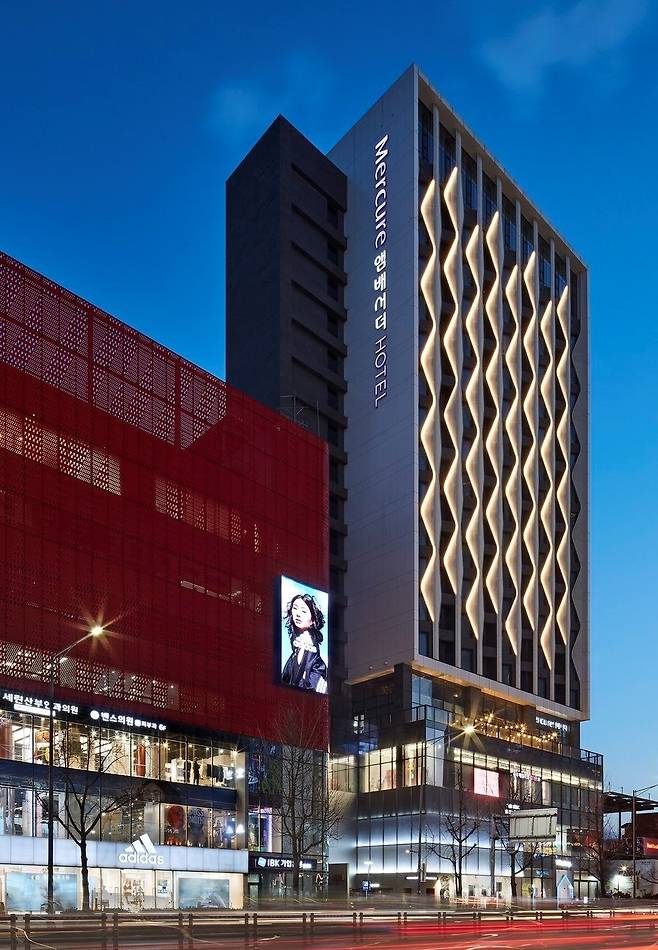
In July, Goldman Sachs co-acquired the Mercure Ambassador Hotel Hongdae for 262 billion won ($187 million) with local asset manager JB Asset Management. The four-star hotel located in the vibrant Hongdae district in western Seoul marks the equity giant’s inaugural hotel investment in Korea.
Earlier this year, Singapore’s sovereign wealth fund GIC was selected as the preferred bidder to acquire three properties operated by Glad Hotel & Resort -- Glad Yeouido, Glad Gangnam Coex Center and Maison Glad Jeju -- in a deal estimated at a total of 600 billion won ($437 million). The Glad brand, under the wings of local builder DL Group, is positioned in the mid-scale segment.
“Visitor arrivals continue to recover strongly, with the value of existing hotels on an upward trend due to limited new supply and rising development costs. These factors will ensure an active hotel acquisition and disposition market,” Clair Choi, head of research at global real estate service firm CBRE, noted in a recent report.
Copyright © 코리아헤럴드. 무단전재 및 재배포 금지.