Interview: Polish dairy wins Korean consumers with quality and price
이 글자크기로 변경됩니다.
(예시) 가장 빠른 뉴스가 있고 다양한 정보, 쌍방향 소통이 숨쉬는 다음뉴스를 만나보세요. 다음뉴스는 국내외 주요이슈와 실시간 속보, 문화생활 및 다양한 분야의 뉴스를 입체적으로 전달하고 있습니다.
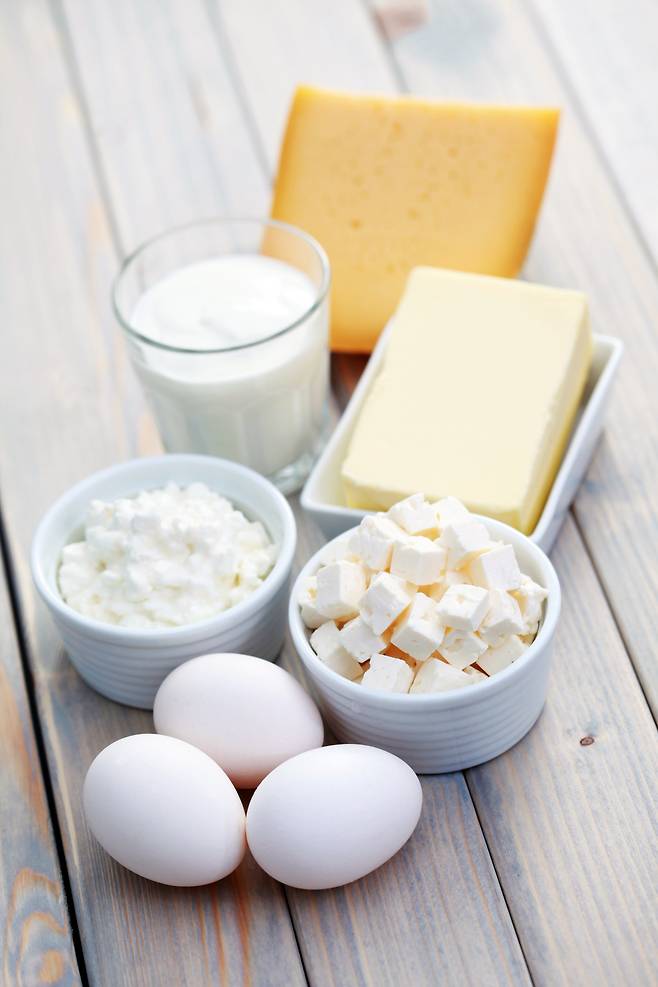
Foreign dairy products are rapidly gaining ground on Korean tables. According to the Korea Rural Economic Institute, imports of milk and cream, including UHT milk, reached 90,000 tons last year, up 14% from a year earlier. Price-competitive foreign skimmed milk powder, butter, cheese, and ice cream are quickly expanding their market share, pushing out domestic products.

Among imported dairy products from various countries, Polish dairy stands out for its strong growth. Since entering the Korean market in 2022 with UHT and pasteurized milk, Poland’s export volume and value have nearly doubled in just two years. Last year, 90% of the UHT milk imported into South Korea came from Poland.
Polish dairy products are known for their high quality and relatively low prices compared to other countries. The import price of Polish UHT milk is $0.75 per kilogram, lower than Germany ($0.83/kg), France ($0.97/kg), and Austria ($0.98/kg). ChosunBiz conducted a written interview with Anna Lagodzinska, head of the Polish Investment and Trade Agency’s Seoul office, to discuss the competitiveness of Polish dairy products.
The Polish Investment and Trade Agency (PAIH) is a government organization that supports Polish companies abroad, similar to South Korea’s KOTRA. Since opening its Seoul office in 2018, it has assisted Polish dairy companies targeting the Korean market. Lagodzinska has served as the head of the Seoul office since June 2020. Below is the Q&A.
How much has Polish dairy grown in the Korean market so far?
“Since Poland began exporting UHT and pasteurized milk to South Korea in 2022, it has quickly built a strong presence. Export volume of milk and cream products increased from 23,834 tons in 2022 to 43,789 tons last year, an 84% rise. Export value nearly doubled from $16.82 million to $33.02 million. Exports through May this year have already reached 12,788 tons and $9.58 million.”
What are the strengths of Polish dairy compared to other countries?
“Compared to other EU countries like Germany and France, Poland maintains a strong connection to less industrialized production systems—cows are often grazed on open meadows, enhancing milk’s flavor and nutritional profile.
Polish dairy products use fewer synthetic feed additives and rely more on natural roughage such as pasture grass, hay, and silage. The result is milk with a clean, natural taste and a strong nutritional profile—richer in omega-3 fatty acids and CLA. Moreover, Poland offers a diverse portfolio of dairy products, including unique regional cheeses made according to traditional recipes, such as soft, fresh, or smoked varieties.
Milk quality is carefully monitored at every stage. Each batch is tested for antibiotic residues, fat and protein content, and somatic cell counts. Feeding practices and animal health are managed under strict standards. Thanks to lower production costs and modernized processing infrastructure, Polish producers can deliver premium-quality dairy at a more accessible price point.”
What standards or certifications prove the high quality of Polish dairy products?
“Polish dairy production adheres strictly to European Union regulations, known to be among the most rigorous in the world regarding food safety, animal welfare, and environmental protection. Specifically, all Polish farms follow Global G.A.P. standards, ensuring animal welfare, feed safety, and hygiene.
Processing facilities widely adopt HACCP and ISO 22000 certifications. Products with Protected Geographical Indication (PGI) or Protected Designation of Origin (PDO) labels, such as Oscypek (a traditional smoked cheese), further underline the commitment to quality and authenticity."
What is the secret to maintaining such high quality?
“It’s the result of multiple factors coming together. In addition to the strict quality monitoring system applied throughout the entire production process, we conduct regular milk testing, maintain rigorous factory sanitation protocols, and provide ongoing training and support for farmers and producers.
One initiative I’d like to highlight is the ‘Drop of Excellence’ program. This three-year project promotes quality enhancement by encouraging responsible practices at the farm level, including education and environmental awareness. It is led by the Polish Federation of Cattle Breeders and Dairy Farmers (PFHBiPM) and jointly funded by the European Union.”
What are your goals for the South Korean market?
“Poland views South Korea as a dynamic and high-potential market for dairy exports. Our aim goes beyond simply introducing Polish dairy products—we seek to foster long-term consumer understanding and build trust.
We are actively promoting ways to enjoy and prepare Polish dairy products while offering ideas on how to incorporate cheese, yogurt, and buttermilk into popular Korean dishes. At the same time, we’re increasing engagement through tasting events, chef demonstrations, and cooking workshops both online and offline.
These efforts help South Korean consumers better understand our product labels, food safety systems, and the strengths of Polish dairy. Our strategy is to cultivate familiarity and affection for Polish dairy products.”
What other Polish products are popular in South Korea besides dairy?
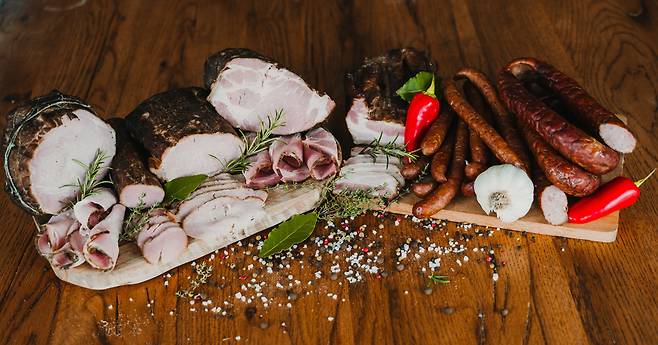
“In the food and beverage sector, Polish confectionery brands such as Wedel, Wawel, and Colian have gained significant popularity on e-commerce platforms like Coupang. Following the resumption of pork exports last year and poultry exports earlier this year, Polish meat products continue to make inroads into the South Korean market. Pork, in particular, is highly competitive due to its price and quality, and it has a strong presence not just in South Korea but across Asia.
Other major Polish exports to South Korea include cosmetics, marine equipment, IT services, and defense industry products. South Korea is currently reviewing the acquisition of Polish drones as part of broader defense cooperation, alongside ongoing arms trade between the two countries. In 2020, South Korea signed a defense contract worth 22 billion dollars with Poland, and additional deals involving tanks and howitzers are expected to be concluded this year.”
Any final remarks for South Korean consumers and investors?
“Over the past few years, a wide range of Polish products—from dairy and chocolate to cosmetics and advanced industrial goods—have earned the trust and affection of South Korean consumers. We are grateful for the interest in and confidence placed in ‘Made in Poland’ goods.
Poland remains committed to offering products that meet the European Union’s high standards, combining quality, competitive pricing, and sustainable values for South Korean consumers. At the same time, South Korea’s innovation, focus on quality, and global outlook continue to inspire us.
To South Korean investors, I encourage you to view Poland not just as a trading partner, but as a gateway to the European Union. With a robust economy, a skilled workforce, and a strong spirit of cooperation, Poland offers a wealth of opportunities for long-term, mutually beneficial partnerships. I hope you will explore new business prospects through the Polish Investment and Trade Agency.”
Copyright © 조선일보. 무단전재 및 재배포 금지.
- 5년 만에 펼쳐진 ‘한국 골프의 날’
- 2차례 TF에도 ‘文 통계조작 감사’ 문제 못 찾자… 될 때까지 조사한다는 감사원
- 美 육군 권장 도서는 ‘국제정치·작전’… 한국은 논어·맹자
- 여성 6단체 “피해자에 개악… 보완수사권 폐지 반대”
- 정청래 “대선 나갈 생각 없다” 밝히며 당대표 출마 선언
- 친명 6명, 與최고위원 출사표… 친청은 3명 채비
- 찐장, 멀장, 뉴장… 장동혁 당권파도 분화
- [바로잡습니다] 7월 9일 자 A2면 ‘공연장 주변 1.5㎞가 인파로 꽉 찼다, 중남미 강타한 K컬처’ 기
- “교육감 선거, 인기 투표로 변질… 학교가 공약 도구 돼버렸다”
- 일본은 지자체장이 의회 동의하에 임명