From boo to boohoo: Korean ghosts tug at heartstrings worldwide
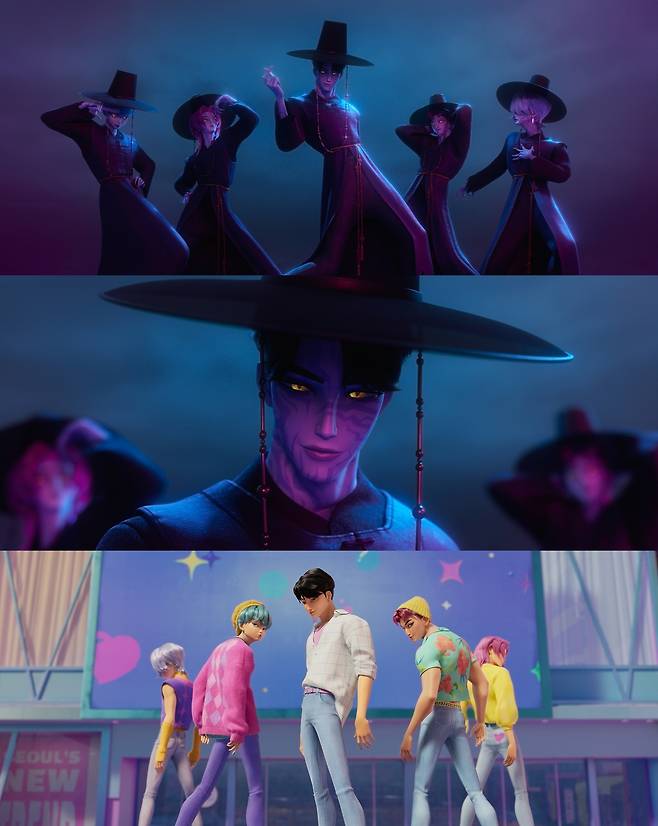
Korea’s traditional grim reapers, known as jeoseung saja, are gaining global recognition following their portrayal as key antagonists in the Netflix hit "Kpop Demon Hunters."
The film follows shaman heroines who battle demons while performing as K-pop idols. Within two months of its release, it soared to become the fourth most-streamed movie on the platform, propelled by sustained global buzz.
“There’s a growing sense that traditional Korean imagery feels more approachable and enjoyable, largely because Korean culture is now viewed so favorably and familiarly worldwide,” said culture critic Jung Duk-hyun. “This positive perception plays a major role in making Korean folklore feel trendy and hip to global audiences.”
Clad in dark robes and high-brimmed hats, these grim reapers exude a unique presence and emotional complexity, earning popularity rivaling the protagonists. Far from being purely malevolent, they are portrayed as tormented figures — a reflection of han, a uniquely Korean concept of unresolved sorrow that permeates much of the country’s ghost lore.
Han is the emotional pain that lingers after a traumatic experience, preventing one from moving on. In Korean supernatural tales, this sentiment explains why spirits remain earthbound — not to terrorize, but to seek closure for injustices or deep regrets.
This emotional nuance distinguishes Korean folklore from some of the more dualistic ghost narratives in the West. Rather than evil for evil’s sake, Korean spirits are often driven by sorrow, guilt, or betrayal.
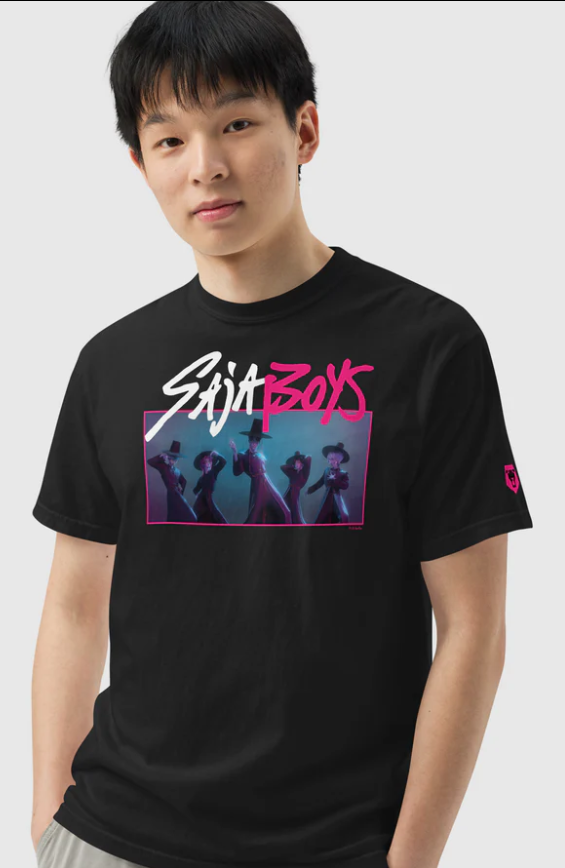
In "Kpop Demon Hunters," Jinu — the leader of the K-pop boy band Saja Boys — embodies this layered grief. Though transformed into a demon after abandoning his family, his actions stem from guilt and pain, not malice.
“The reapers, especially Jinu, show characteristics of Korean ghosts,” said Jung. “Korean spirits are often defined not by violence, but by han — a sorrow that compels them to seek understanding from the living rather than inflict harm without reason.”
This storytelling tradition casts the supernatural not as monstrous, but as deeply human. In the “Legend of Arang” from Miryang, for example, a young woman’s ghost haunts magistrates not to frighten them, but to seek justice for her death during an attempted assault.
Adaptations of such folklore in modern dramas and films often preserve this emotional complexity, blending traditional themes with contemporary storytelling.
TvN’s 2016 hit series "Dokkaebi (Goblin)" reimagines Korean mythology in a modern setting, exploring han through two central figures: the Goblin, cursed with immortality, and the Reaper, who guides souls to the afterlife.
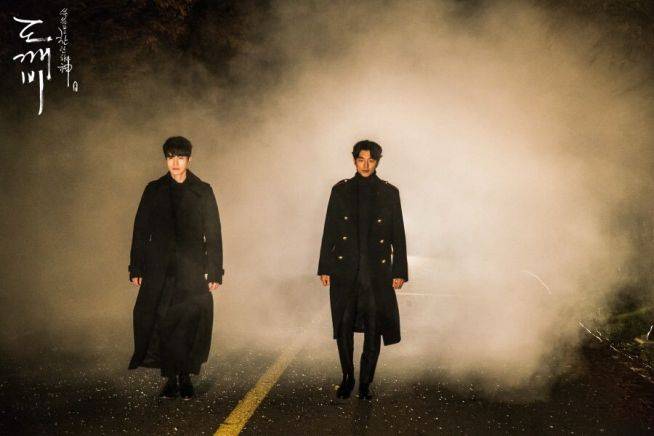
Both characters are burdened by past sins. The Goblin is haunted by those he failed to save, while the Reaper is tormented by having ordered the Goblin’s execution in a past life. Their inability to move on mirrors the unresolved sorrow central to Korean ghost stories.
This emotional depth continues to shape contemporary content. The SBS series "The Haunted Palace" received praise for portraying diverse spirits shaped by the circumstances of their deaths. The show achieved an 11 percent viewership rating by focusing on the living engaging with spirits’ emotional wounds, not just confronting the supernatural.
At the heart of Korean ghost narratives is the idea that spirits find peace through communication, not confrontation.
In "Kpop Demon Hunters," even in his demon form, Jinu seeks to share his pain, not inflict it. “Unlike Western fantasy, which often resolves conflict through exorcism, Korean stories are about listening to the dead and helping them release unresolved sorrow,” Jung noted.
This storytelling approach invites audiences to empathize with the supernatural and participate in a journey toward healing.
Culture critic Kim Heon-sik attributed the growing global fascination with Korea’s supernatural traditions to their unique visual and emotional elements.
“Their distinct Korean identity makes them more intriguing,” he said. “And by integrating ghostly elements into pop culture, especially K-pop, they’ve become even more appealing.”
Kim also emphasized that the success stems in part from subtlety.
“When nationalism or symbolic depth is overemphasized, it can alienate audiences. What made these stories resonate is that they left room for interpretation — letting viewers explore and connect on their own terms.”
Copyright © 코리아헤럴드. 무단전재 및 재배포 금지.