Discover Korea's best diving spots
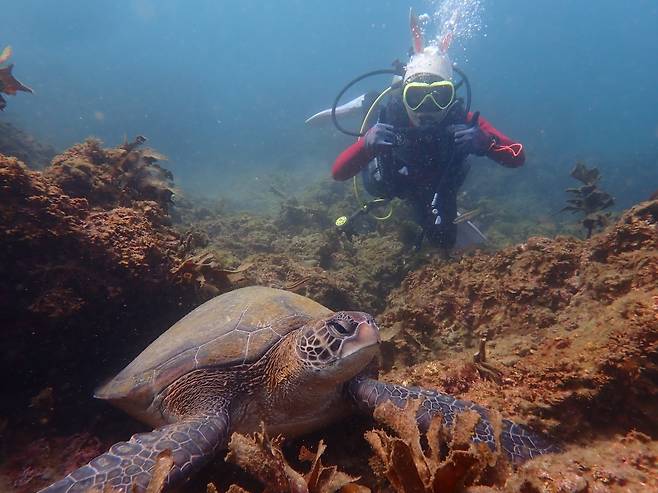
Korea's coastlines offer stunning diving spots, inviting divers to explore their crystal-clear waters and unique marine ecosystems. Whether you’re a seasoned diver seeking thrilling depths or a beginner eager to explore vibrant marine ecosystems, Korea offers something for everyone. From the warm waters of Jeju Island to the rugged volcanic landscapes of Ulleungdo, these three destinations — Munseom Island, Ulleungdo and Jumunjin — are among the country’s best-kept secrets for diving enthusiasts.
Munseom Island: Jeju's hidden gem
Off the southern coast of Jeju Island, Munseom Island is renowned for its rich underwater biodiversity. Located within Seogwipo Marine National Park, the island is a UNESCO Biosphere Reserve, home to towering cliffs, submerged rock formations and nutrient-rich currents. The waters around Munseom, ranging from 10 meters to 30 meters in depth, are ideal for both recreational and advanced divers.
Divers can encounter a range of subtropical species, including jobfish, amberjack and even sea turtles, as well as over 60 species of coral. Experienced divers can enjoy deeper, thrilling dives around two shipwrecks resting at depths exceeding 30 meters, offering a chance to discover haunting underwater ruins. The best time to dive is in September and October, when the waters are warm and visibility is at its peak.
Ulleungdo: Volcanic paradise under the sea
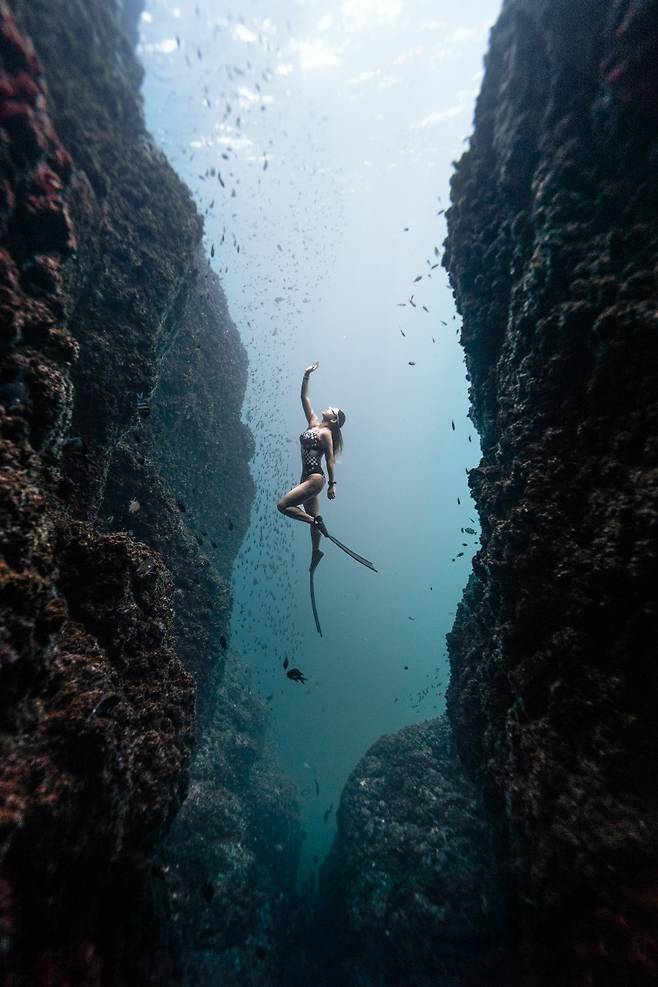
For those seeking a remote and unique diving experience, Ulleungdo is the perfect destination. Located off Korea's eastern coast, this volcanic island features dramatic cliffs, crystal-clear waters and deep underwater caves. Its waters are known for their exceptional clarity, often described as a “marine paradise,” and offer a range of dive experiences, from shallow snorkeling to deeper scuba excursions.
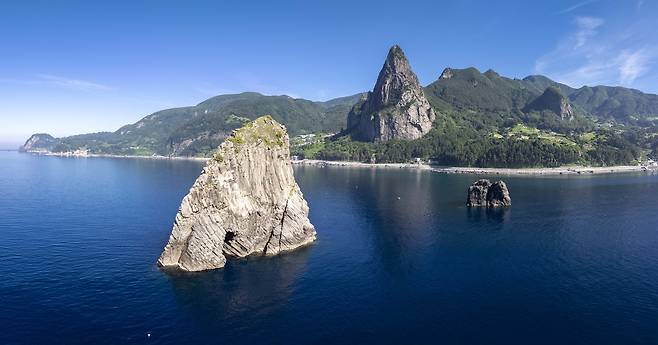
The Elephant Rock (Gwaneumdo) area is a popular dive spot, with submerged caves and tunnels that extend through volcanic rock formations. The depths here range from 13 to 15 meters, offering a balance of excitement and safety. Ulleungdo’s kelp forests, which stretch across the ocean floor, are especially popular with freedivers. The marine life around Ulleungdo is equally captivating, with divers encountering schools of fish, sea urchins and an impressive display of underwater flora.
Late July to mid-August is the best time to visit, after the monsoon season but before the autumn typhoons arrive.
Jumunjin: Perfect spot for divers near Seoul
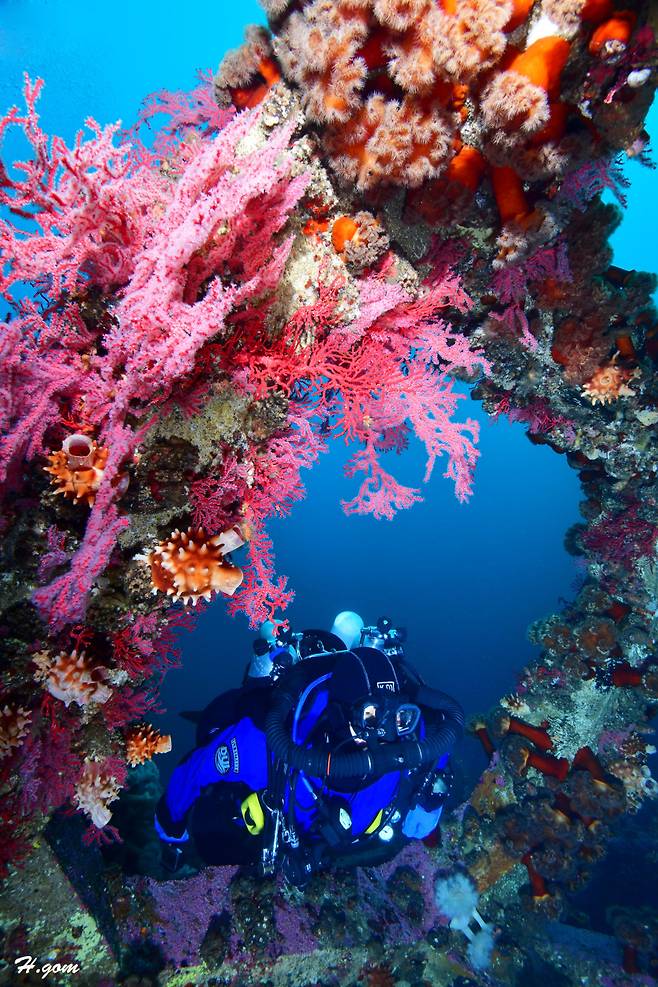
Jumunjin in Gangwon Province is an ideal destination for divers based in or visiting Seoul. Known for its serene atmosphere, it also offers one of the most accessible diving spots in Korea. The waters here range from 10 to 26 meters in depth, catering to both beginners and experienced divers.
The highlight of this area is the wreck of the Stella, a 2,400-ton vessel intentionally sunk in 2020 to create an artificial reef. Divers can explore both the stern and bow sections, which are equipped with descent lines for easier access, even on days with strong currents.
“The sunken ship Stella is a fantastic diving point, as it is full of marine life. From small fish like gobies to large species like rock bream, it’s a great place to see the variety of life that has made the wreck its home,” said Shin Ji-hoo, a regular diver at the site. The warm water temperatures from late August to early September make it the ideal season for diving.
Shin also advises, “The waters of Gangwon Province are much better in the morning than in the afternoon. When I went out early in the morning, the visibility was so good, so I recommend diving at that time.”
Diving schools and certification
No matter where you choose to dive, there are numerous diving schools across Korea that offer a range of experiences, from single-day dives for beginners to full certification courses for those seeking to become professional divers. Many of these schools provide all necessary equipment, including wetsuits, masks and fins, and employ expert instructors who ensure a safe and enjoyable experience for all participants.
In addition to guided dives, many of these locations also offer diving courses, allowing visitors to earn their internationally recognized certifications.
Copyright © 코리아헤럴드. 무단전재 및 재배포 금지.