Traditional Korean eateries disappear while franchise brands see steady growth
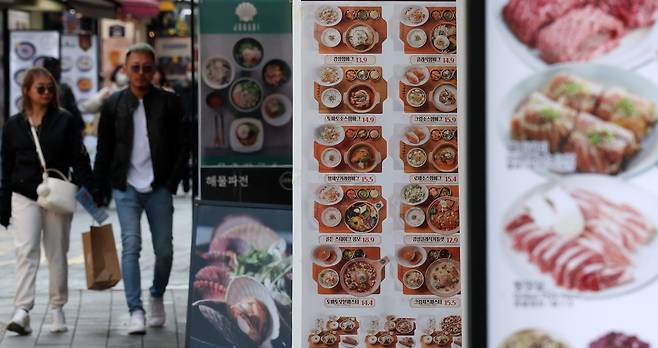
Traditional Korean restaurants are quietly vanishing across South Korea, even as global fascination with Korean food surges.
Government data shows the share of Korean restaurants in the country has declined for six consecutive years, falling to 41.8 percent of all eateries in 2024, down from 45.6 percent in 2018. While Korean cuisine still accounts for the largest portion of dining establishments, its dominance is slipping.
Meanwhile, Japanese, Western and Chinese restaurants, along with pizza, burger and fried chicken chains, are steadily expanding, according to the Ministry of Agriculture, Food and Rural Affairs.
The sharpest drop has been among independent operators. As of May 2025, there were 410,429 registered Korean restaurant business owners, down 2,233 compared to the same month the year before, based on data from the National Tax Service. That means more than six closures a day, on average, over the past year.
Many restaurant owners point to a mix of pressures: slower consumer spending, rising food and labor costs, and the growing dominance of delivery.
The Korea Foodservice Industry Association explained that while some stews and dishes like jokbal (braised pig’s feet) can work for delivery, most Korean cuisine doesn’t travel well. “Only franchise brands can afford the high delivery commissions,” a spokesperson added.
According to the Ministry’s 2024 survey, 74.7 percent of Korean restaurants had no delivery orders on an average day, and 78.4 percent said they do not use delivery apps. By contrast, 85.1 percent of fast food-style outlets such as pizza and sandwich shops reported using such apps regularly.
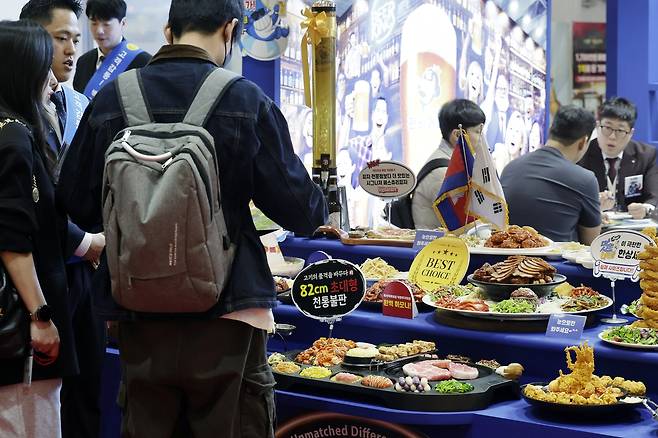
As a result, more Korean restaurants are shifting to franchising. Newer entrants are increasingly opting for branded operations that offer centralized menu development, marketing and operational support. While the total number of food franchise brands in Korea fell slightly in 2024, Korean cuisine brands rose 4.1 percent to 3,701, according to the Korea Fair Trade Commission. Franchised Korean restaurant locations also grew by 3.7 percent, reaching 41,353.
“Even if traditional Korean restaurants are struggling, in the franchise industry, Korean food is now one of the top three sectors along with fried chicken and coffee,” said Kim Jong-baek, head of policy and communications at the Korea Franchise Association. “It’s hard for one person to maintain a clean kitchen, market their restaurant, and develop new dishes on their own. So now, many are turning to franchising.”
He added that high-traffic tourist areas like Seoul’s Myeong-dong are home to older, high-income Korean restaurant owners who are not representative of the average small operator. “Those are top-tier businesses. They’re not what we’d call mom-and-pop shops.”
Copyright © 코리아헤럴드. 무단전재 및 재배포 금지.