Krafton’s $500 million Subnautica bet sinks into legal waters
이 글자크기로 변경됩니다.
(예시) 가장 빠른 뉴스가 있고 다양한 정보, 쌍방향 소통이 숨쉬는 다음뉴스를 만나보세요. 다음뉴스는 국내외 주요이슈와 실시간 속보, 문화생활 및 다양한 분야의 뉴스를 입체적으로 전달하고 있습니다.
Krafton, the South Korean video game publisher best known for “PUBG,” is now locked in a legal battle with the former leadership of its U.S. subsidiary Unknown Worlds, the studio behind the hit underwater survival franchise “Subnautica.”
The dispute centers on the delayed release of “Subnautica 2” and Krafton’s recent decision to oust the studio’s top executives. The company cited inadequate progress on the sequel—originally scheduled for release this year but now pushed to 2026—as the reason for the leadership shake-up.
The ousted executives have responded with a lawsuit, alleging breach of contract and claiming they were sidelined without cause.
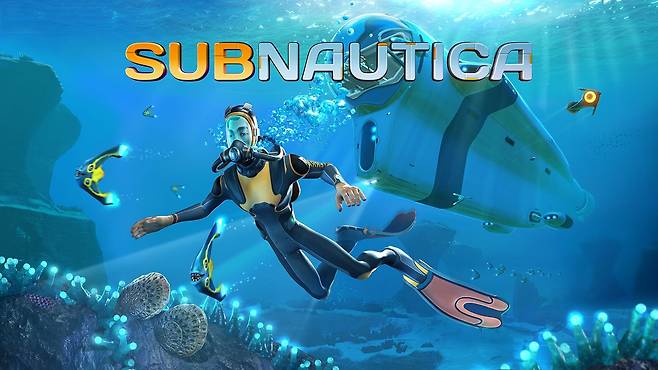
Earlier this month, Krafton appointed Steve Papoutsis—former Chief Development Officer at its North American arm Striking Distance Studios—as head of Unknown Worlds. Ted Gill, the studio’s CEO, along with co-founders Charlie Cleveland and Max McGuire, were removed from their posts.
Unknown Worlds was founded in 2001 in San Francisco by Cleveland and McGuire. Known for “Natural Selection” and the first “Subnautica”—which sold over six million copies globally—the studio had cultivated a loyal fanbase before its acquisition.
In 2021, Krafton acquired 100% of Unknown Worlds for approximately $500 million as part of its broader push to expand its global footprint and diversify its intellectual property portfolio. At the time, CEO Kim Chang-han said the deal would “strengthen Krafton’s global game production capabilities.”
The acquisition deal included a performance-based earn-out clause: if “Subnautica 2” met development milestones and revenue targets by the end of 2025, a bonus pool of roughly $250 million would be distributed. About 90% of that was earmarked for Cleveland, Gill, and McGuire.
With the game’s release now delayed, the likelihood of meeting those targets has diminished. Some media outlets have speculated that Krafton may have postponed the release intentionally to avoid paying the bonuses—an allegation the company denies.
Krafton said the bonuses were tied to the executives’ active involvement in the project. “We made repeated requests to Cleveland and McGuire to resume their roles as game and technical leads, respectively, but they refused,” the company said.
The company was especially critical of Cleveland, claiming he prioritized a personal film project over game development. “We asked Cleveland to fully dedicate himself to the sequel following the failure of ‘Moonbreaker’ in 2022, but he remained disengaged,” Krafton said.
Originally planned for early access release this year, “Subnautica 2” was delayed due to what Krafton described as a lack of leadership. “The early access version of the game currently lacks sufficient content,” the company said in a statement. “We are deeply disappointed in the former leadership, who failed to meet community expectations.”
A leaked milestone review dated July 15 painted a stark internal picture: the new installment, it said, lacked the polish and market potential needed to expand the franchise meaningfully.
The former executives dispute that characterization. On July 11, Cleveland wrote on X (formerly Twitter), “We’ve now filed a lawsuit against Krafton: the details should eventually become (at least mostly) public — you all deserve the full story. Subnautica has been my life’s work and I would never willingly abandon it or the amazing team that has poured their hearts into it.”
He also pushed back against the idea that the bonus pool was self-serving. “The idea that Max, Ted and I wanted to keep it all for ourselves is totally untrue,” Cleveland wrote. “Historically we’ve always shared our profits with the team and did the same when we sold the studio. You can be damned sure we’ll continue with the earnout/bonus as well.”
Industry analysts say the controversy underscores the growing risks Krafton faces as it continues its aggressive global expansion. The publisher has acquired several foreign studios in recent years—including Spain’s EF Games, Texas-based Ruckus Games, and Montreal’s Wolf Haus Games—as part of a strategy to hit 7 trillion won ($5 billion) in annual revenue within five years.
But managing a portfolio of geographically and culturally diverse studios introduces new friction. Different time zones, languages, and creative norms can clash with centralized oversight. Without strong integration, disagreements over vision and execution can quickly escalate into public legal disputes.
Despite the turmoil at Unknown Worlds, Krafton appears undeterred. In a January interview with Bloomberg, CEO Kim said the company plans to invest at least 200 billion won ($150 million) this year in more than a dozen promising studios worldwide.
Copyright © 조선일보. 무단전재 및 재배포 금지.
- 전쟁이 한창인데 이란측 만나려다 발각된 맘다니 행정부
- 정부, 南北을 ‘두 국가’로 규정...헌법 제3조를 허무는 시도 논란
- 승리보다 품격과 명예를 가르치는 나라들
- 이세돌 “직업이 문제 아니다, AI로 직장 잃을 사람의 공통점은..”
- 26년 맛집이 함흥냉면 1인분에 1500원만 받는 이유
- 이제 여름 회의 제왕은 단연 밴댕이, 한 접시 딱 2만원 조선몰 단독 공동구매
- 혈당스파이크 억제하는 쌀 나왔다, 농진청 개발 ‘위고미’ 조선몰 특가 공동구매
- 비싼 제로토크 퍼터가 20만원대, 4만~20만원 가격대별 퍼터 성능 총정리
- 이제 여름 회의 제왕은 단연 밴댕이, 한 접시 딱 2만원 조선몰 단독 공동구매
- 유행하는 날개 없는 선풍기, 6만원대 조선몰 단독 특가