S. Korea may replace Russia in Kazakhstan’s thermal plant projects
이 글자크기로 변경됩니다.
(예시) 가장 빠른 뉴스가 있고 다양한 정보, 쌍방향 소통이 숨쉬는 다음뉴스를 만나보세요. 다음뉴스는 국내외 주요이슈와 실시간 속보, 문화생활 및 다양한 분야의 뉴스를 입체적으로 전달하고 있습니다.
Kazakhstan may replace Russia with South Korean and Chinese companies in the construction of three new thermal power plants, according to reports.
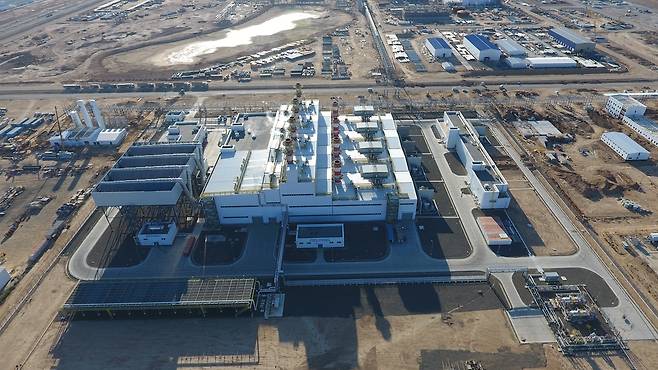
Russia’s Interfax news agency reported on July 9 that “South Korean and Chinese firms could participate in the construction of three thermal power plants in Kazakhstan, and negotiations are ongoing with all potential contractors.”
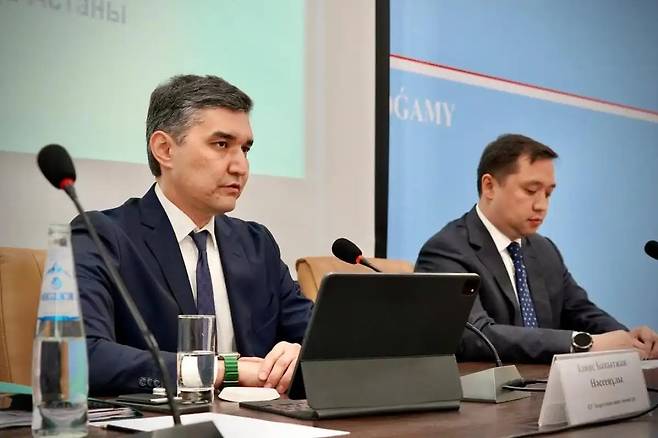
Citing Kazakh Deputy Energy Minister Bakytzhan Ilyas, Interfax said, “Negotiations are underway through Samruk-Energy, and talks are ongoing with other potential developers who can meet environmental requirements and modern energy efficiency standards.”
The report added that “potential candidates include energy companies from South Korea and China and there are several options.”
In April, Kazakhstan officially announced plans to build three thermal power plants in the cities of Semey (360MW), Ust-Kamenogorsk (360MW), and Kokshetau (240MW), with a total value of $2.4 billion (about 3.29 trillion won). The project was originally to be carried out on a turnkey basis by Russian state-owned utility Inter RAO, with the Kremlin pledging financial support.
However, after issues arose regarding Russia’s financing of equipment exports for the project, the Kazakh government began considering alternative partners from South Korea and China.
Back in May, Kazakh Deputy Prime Minister Roman Sklyar publicly said, “There have been problems with Russia’s funding for the equipment needed in power plant construction and operation,” adding, “Kazakhstan will seek new investors.”
Thermal power accounts for 80% of Kazakhstan’s electricity generation, but over half of the facilities are more than 30 years old, highlighting the urgent need for modernization.
Experts believe South Korea and China could benefit from the situation, especially as the Kazakh government is showing strong determination to complete the projects on time.
South Korea’s Doosan Enerbility is considered a strong contender. The company completed the Karabatan combined cycle power plant in 2020 and signed a 1.15 trillion won contract last year to build a similar plant in Shymkent.
In June, Doosan also signed a Memorandum of Understanding (MOU) with Kazakhstan’s state-run Samruk-Kazyna (finance) and Samruk-Energy (energy) to supply environmental systems for two aging power plants and three new ones.
Samruk-Energy is a state-owned utility that supplies 32% of Kazakhstan’s electricity.
Copyright © 조선일보. 무단전재 및 재배포 금지.
- 쿠팡은 ‘페이’, 네이버는 ‘물류’로… 서로의 아성 넘보는 이커머스 양강
- 경찰·소방당국, 석포제련소 화재 현장 합동 감식 나서
- 중앙일보, 워크아웃 개시...채권단 75% 이상 ‘찬성’
- 서소문로 통행 재개... 8월부터 고가 신설 공사 착수
- 청룡기 최다 9번째 우승 겨냥한다... 경북고, 마산용마고 17대 6 꺾고 결승 진출
- 장동혁, 경찰청 입구서 제지... 경찰청장 직대 면담도 불발
- 호반건설, 한진칼 지분 20% 넘겨... 조원태 회장 측과 0.42%p차
- 대법, 김건희 ‘주가조작·샤넬백' 16일 선고
- “한 살 어린데 버릇 없어서”… 술자리서 지인 흉기 살해 50대 ‘징역 18년’
- 하버드마저 제친 딥시크의 저장대...네이처 인덱스 1·2위 대학이 중국