Young researchers urge gov’t to expand budget for basic R&D projects
Although the total R&D budget was restored after the 2023 cuts, there are still too few research projects available for new researchers.
Critics warn that if this continues, the career ladder for researchers will collapse, and Korea’s R&D foundation will dry up due to a lack of investment in basic research.
As President Lee Jae-myung pledged to restore small-scale research projects, voices are growing that expanding the budget for early-career researchers must be prioritized.
Professor A, who was newly appointed at a regional university in a science and engineering field in 2024, recently had to turn away a student interested in applying to graduate school.
The reason - a lack of research projects that could provide the necessary stipend.
“The student was passionate and diligent, but I could not accept him. I was left devastated, wondering if it was because I lacked the ability,” the professor said.
Newly appointed science and engineering professors across universities are struggling due to a lack of research projects.
After appointment, they are expected to set up labs and recruit graduate students, but the sharp drop in projects for new researchers has made that extremely difficult.
The core issue is the sharp decline in Excellent Young Researcher projects in recent years.
There were about 700 of these projects in 2022 before the budget cuts, but there are only 400 in 2025.
Considering these projects are aimed at researchers with less than seven years of experience, most early-career researchers are now unable to win these grants.
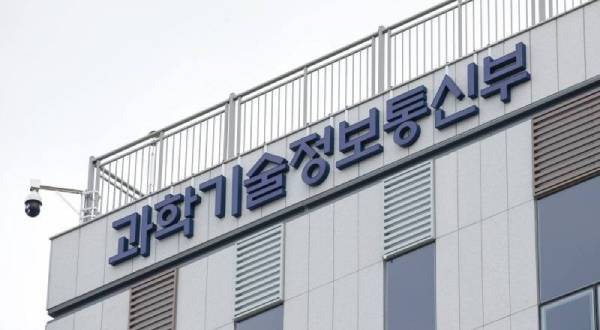
The Ministry of Science and ICT recently announced new Seed Research projects as part of an effort to strengthen basic research.
Around 400 projects will be selected, supposedly increasing investment in basic research. When added to the Excellent Young Researcher projects, the total number rises to about 800 - slightly more than before.
However, the Seed Research projects only last one year. Compared to the three-year maximum term of the Excellent Young Researcher grants, this is extremely short.
“If it is just one year, the administrative burden alone - such as writing proposals - will eat up all the time,” a professor said. “It is far too short to set up a lab and get settled. I do not understand why the Seed Research project even exists.”
Another issue is the scrapping of the Basic Lifelong Research program. This program included around 600 grants for researchers with no prior project experience, and around 2,000 basic research grants open to anyone.
Although the annual funding was less than 100 million won ($72,695) per project, it provided consistent support to allow researchers to continue their work without interruption.
Currently, the Basic Lifelong Research program has effectively been abolished. The budget for basic research has been slashed by 59.8 percent compared to 2024, and the First Research budget has been reduced by 72.7 percent.
To qualify for the large-scale national projects that the government favors, researchers need to build up their track record through smaller projects. However, with entry-level opportunities disappearing, the path to building that track is vanishing, experts noted.
“The government is playing word games with this selection and concentration rhetoric,” Professor Oh Kyung-soo from Chung-Ang University said. “New researchers need projects to grow into mid-career and senior researchers. But with fewer total projects and selection rates dropping, researchers are losing their chance to grow.”
Over-reliance on government-funded R&D projects is also seen as a systemic issue.
“Universities and institutions should provide sufficient research startup funds for early-career researchers so they can build their careers in a stable environment,” Professor Ahn Joon-mo of Korea University said.
Copyright © 매일경제 & mk.co.kr. 무단 전재, 재배포 및 AI학습 이용 금지
- “그날 점심 약속 다 취소하자”…더 뜨거운 놈이 온다, 8일 최고기온 무려 - 매일경제
- 친구가 車 보더니 “남편이 널 진짜 사랑하는구나”…그돈에 왜? 든든하니까 [최기성의 허브車]
- 한국서는 없어서 못 파는데 中시장선 벌써 짝퉁 판친다 - 매일경제
- “대체 얼마나 귀엽길래”…반려묘 돌봐주면 전 재산 주겠다는 80대 노인 - 매일경제
- [속보] 삼성전자 2분기 영업이익 4조6000억원…작년 동기 대비 55.9%↓ - 매일경제
- “대통령의 전권”...트럼프, 韓·日서한 콕 찦어 먼저 공개한 이유 - 매일경제
- 日골프투어 비용 급감 …"고객 다 뺏길라" 韓골프장 초비상 - 매일경제
- SK하이닉스 HBM ‘절대강자’ 지위 흔들리나 [오늘, 이 종목] - 매일경제
- [속보] 대통령실 “한국 측, 조속한 한미회담 제안…미측 공감 표해” - 매일경제
- 33년 만에 전반기 1위 확정한 한화, 이제는 대전 왕자 앞세워 50승 고지 선착 ‘정조준’…격차 줄