Korea should gather AI geniuses by offering robust incentives
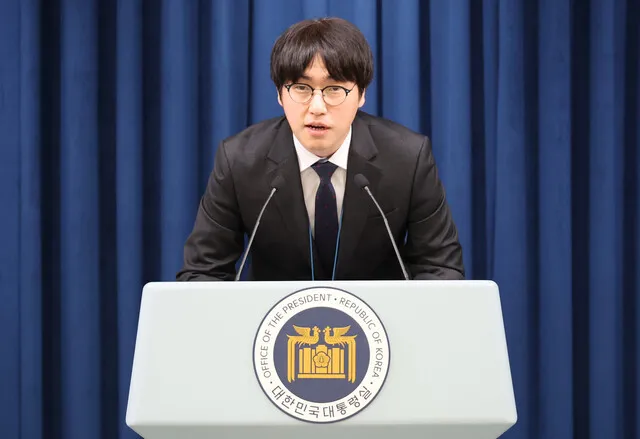
He also inquired about the current situation regarding the overseas outflow of research personnel. He instructed officials to “look into ways to attract outstanding foreign talent, as long as it does not worsen domestic employment conditions.”
Although Lee didn’t explicitly mention artificial intelligence (AI), it is one of the key sectors most in need of top talent.
The AI industry is an area of intense global competition among major countries. Since 2008, China has been implementing its Thousand Talents Plan to nurture experts in AI and other science and technology fields.
David Sacks, the White House’s AI czar, even stated that half of the world’s AI researchers are Chinese, which poses a serious threat.
Recently, U.S. tech giant Meta Platforms Inc. reportedly offered a $100 million bonus to recruit a core talent from OpenAI, known for ChatGPT.
In contrast, Korea is facing not only a shortage of AI talent – partly due to a skew toward medical school admissions – but also concerns over brain drain.
According to a report by the Korea Chamber of Commerce and Industry, in 2023, Korea ranked fourth among the 38 OECD countries in net AI talent outflow (0.36 per 10,000 people).
In 2020, Korea had a net inflow (0.23), but now more are leaving than coming.
Earlier this month, Harvard’s Belfer Center for Science and International Affairs ranked Korea only ninth in AI competitiveness, citing a lack of talent and investment as the main reasons for its lag behind the U.S. and China.
The causes of brain drain include insufficient financial compensation, performance evaluations that overly emphasize short-term results, inadequate research infrastructure, and a hierarchical seniority-based system.
The 52-hour workweek policy also discourages passionate individuals, contributing to the talent exodus from Korea.
In AI, the idea that a single well-trained expert can support an entire nation is a reality.
The government must actively pursue a wide range of policies to nurture and retain AI talent.
One proposal by Seoul National University’s College of Engineering – to select 1,000 researchers and provide them with exceptional treatment – deserves serious consideration.
Creating a culture that tolerates failure and fosters a sense of mission among researchers is equally vital.
If Korea truly aims to become one of the top three AI powerhouses, there is no alternative but to gather geniuses through robust incentives and support.
Copyright © 매일경제 & mk.co.kr. 무단 전재, 재배포 및 AI학습 이용 금지
- 오늘의 운세 2025년 6월 20일 金(음력 5월 25일) - 매일경제
- “정치 보복 아닌 죄 지은 대가”…국힘 뼈 때린 홍준표 - 매일경제
- 재생에너지 키우려는 이재명 정부...원전 관련 예산은 편성 안해 - 매일경제
- 수도권도 아닌데 청약경쟁률 ‘40대 1’…‘청주의 신강남’ 가봤더니 - 매일경제
- "메이저 2연패 도전…10승 채우고 은퇴" - 매일경제
- [단독] AI팩토리 1000곳 키운다…'AI 3대 강국' 총력 - 매일경제
- 1만명 자르고 2년 뒤 7천명 해고…3개월 만에 또 수천명 감원한다는 이 회사 - 매일경제
- 이란 원전 폭발 땐 체르노빌급 재앙…오만·바레인서 피폭 대처법 확산 - 매일경제
- ‘부모 숙제’ 논란에 금지 시켰는데…도리어 늘어났다는 수행평가, 왜? - 매일경제
- 레이커스, 다저스 구단주가 100억 달러에 산다...美 프로스포츠 최고 금액 기록 - MK스포츠