Korea names temple cuisine intangible heritage
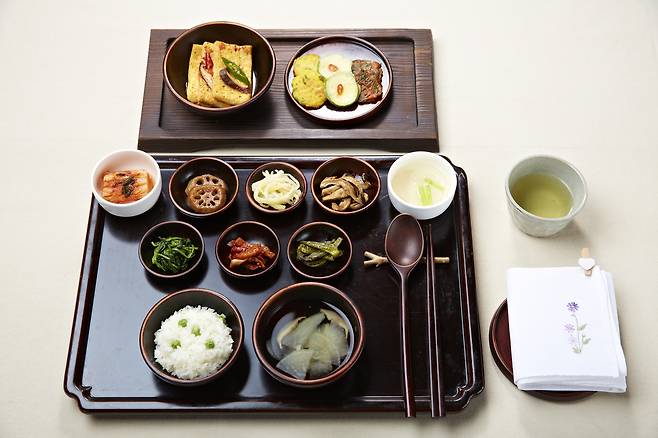
Temple cuisine has been named intangible heritage, the Korea Heritage Service said Monday.
Temple food reflects Korean cooking’s emphasis on nature, according to the agency. Made without meat, fish, dairy, garlic, spring onion, chive or leek to avoid stimulating the libido, it focuses on freshness with vegetables and herbs.
“Buddhist temple cuisine, which continues to be practiced today, has a tradition of respecting life and an understated taste. And it stands out among other temple food from around the world as it constantly evolves with local foods,” the agency said.
Temple cuisine is also diverse and creative, as different cooks enrich temple food in their own ways, the agency added.
The agency noted it would not credit a specific individual or group with the latest designation because “everyone in the Buddhist temples in the country” takes part in making temple food. "The recognition is to the entire Buddhist community," an agency official said.
According to the Korea Heritage Service, historical records describing temple cuisine in detail date to the early 13th century during the Goryeo Kingdom (918–1392).
Copyright © 코리아헤럴드. 무단전재 및 재배포 금지.