Exclusive: S. Korea considers new limits on disposable wet wipes in cafes and restaurants
이 글자크기로 변경됩니다.
(예시) 가장 빠른 뉴스가 있고 다양한 정보, 쌍방향 소통이 숨쉬는 다음뉴스를 만나보세요. 다음뉴스는 국내외 주요이슈와 실시간 속보, 문화생활 및 다양한 분야의 뉴스를 입체적으로 전달하고 있습니다.
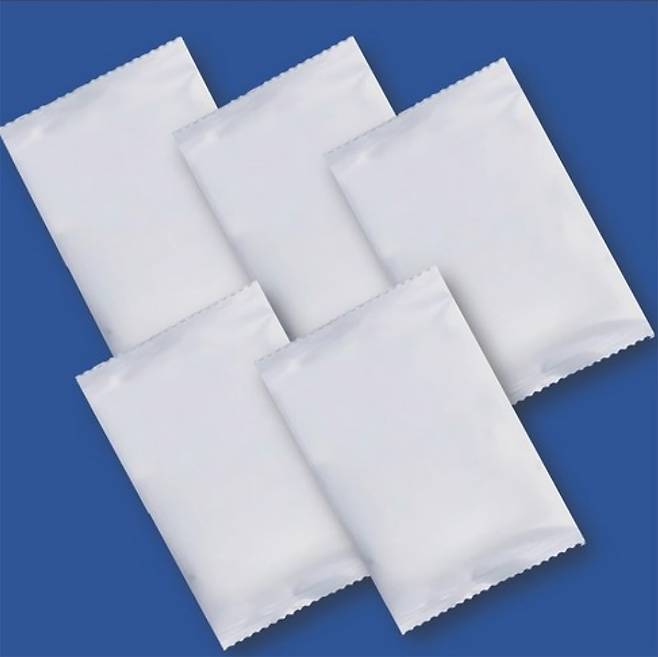
On Sept 24., the South Korean Ministry of Environment announced its review of a proposal to restrict the materials used in disposable wet wipes in cafes and restaurants to natural or recycled fibers. Currently, most wet wipes in these establishments are made from plastic, and the initiative aims to promote environmentally friendly alternatives. However, some stakeholders express concerns that this could lead to another “paper straw policy,” fearing that overregulation may adversely impact the private sector.
The Ministry is considering a plan to phase out synthetic materials in food service wet wipes in favor of non-synthetic resins by 2030. Presently, these wipes are typically composed of a mix of plastics, including polyester, acrylic, and nylon. Proposed alternatives encompass natural fibers like cotton and pulp, as well as rayon, which is derived from regenerated wood pulp.
Under the Cleansing and Hygiene Products Control Act, disposable wet wipes are classified as “wet wipes for food service establishments,” while the Cosmetics Act categorizes them as “body cleansing wet wipes.” The new regulation would specifically address wipes provided in restaurants as an alternative to hand towels. According to the Ministry’s optimal management plan, around 317,000 tons of wet wipes were produced in 2022, predominantly for use in cafes and restaurants. The disposal of these wipes presents recycling challenges, as they are typically incinerated or sent to landfills. Regulating them poses a complex issue given their pervasive use.
The Ministry’s regulatory push stems from environmental concerns associated with discarded wet wipes, which often clog sewage systems and disrupt ecosystems when they enter rivers and oceans. Plastic wet wipes do not dissolve in water and can take decades to decompose in landfills. The Ministry estimates that restaurants generate approximately 80,000 tons of wet wipe waste annually, costing around 32.8 billion won for management. While proponents advocate for natural fiber wet wipes, emphasizing their potential for easier decomposition, questions about their practicality persist.
Concerns abound that the country may repeat the “paper straw fiasco,” which faced significant consumer backlash and scrutiny over environmental impact. Previously, the Ministry banned disposable plastic straws in cafes and restaurants but later reversed the decision due to the inadequacies of paper straws, which often became soggy and less durable. Moreover, paper straws with thin plastic coatings have been criticized for creating greater environmental harm than single-material plastic straws due to their complex manufacturing processes. Unlike plastic straws, which can be recycled through pyrolysis to convert them back into oil, paper straws lack such recyclability, raising further questions about their overall environmental impact.
Additionally, there is ongoing debate over whether natural pulp wet wipes are truly more eco-friendly. Despite utilizing natural fibers, these wipes remain difficult to recycle, and their production processes can generate carbon emissions. Concerns also exist regarding the durability of “natural fiber wet wipes,” which may be more prone to tearing compared to existing products. Ultimately, consumer acceptance of eco-friendly alternatives may depend on their usability and convenience.
Copyright © 조선일보. 무단전재 및 재배포 금지.
- ‘낙찰가 47억원’… 세계서 가장 비싼 참치 기네스북에 등재
- 가평 골프장 10만명 털렸다… 경찰 “北 해킹조직 무게”
- 총성 울리자 연단 위로 후다닥… 트럼프 앞 막아선 경호원 화제
- 인간, 마라톤 2시간 벽 깨다... 케냐 사웨 ‘1시간 59분 30초’
- [만물상] 강철 체력 6070의 등장
- 요한 바오로2세·김대건 신부 등 2027 세계청년대회 수호성인 선정
- 대장동 수사 지휘 송경호 “항소 포기, 국조·특검해야”
- “‘노란봉투법’은 황색 포퓰리즘, 양극화 심화시켜, 당장 폐기해야”
- 이란전으로 10년 우정 깨졌다… 터커 칼슨 “트럼프는 네오콘의 노예” 결별 선언
- ‘괴물 신인’ 박준현 데뷔전 5이닝 무실점 완벽투… 키움 3연승