[Eric John’s Window] “Nothing bothers you about Seoul?”
이 글자크기로 변경됩니다.
(예시) 가장 빠른 뉴스가 있고 다양한 정보, 쌍방향 소통이 숨쉬는 다음뉴스를 만나보세요. 다음뉴스는 국내외 주요이슈와 실시간 속보, 문화생활 및 다양한 분야의 뉴스를 입체적으로 전달하고 있습니다.
I have written frequently with great pleasure in this space about the many historical and contemporary changes that continue to bring Korea and Koreans so close to my heart. An increasing number of my local friends, though, are wondering how realistic this attitude is. “Nothing bothers you about Seoul? That just doesn’t sound right.”
I freely admit that there are aspects of life in this city that can annoy me. I avoid writing about those, however, for several reasons. First and foremost, I see myself as a guest here. I earn and pay my own way, of course, but I work and live here thanks to the cooperation of Korea. I do not want to abuse that hospitality by unnecessarily criticizing my host. Moreover, I am trying to write for a broad audience, and do not feel it wise to weigh in on issues that are for Koreans to debate and decide. Finally, I find it awkward to criticize this country when I recognize that my nation, or any other nation, is not perfect. That said, a true friend also should be able to speak openly and honestly; it is an inherent part of a solid friendship. With that, le me dip my toe in with some frank observations on this great city.
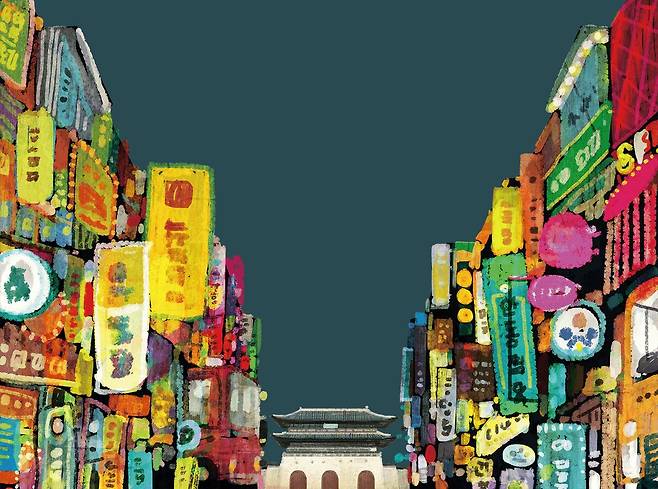
I have noted before the significant improvements Seoul has made in the area stretching from Gyeongbok Palace and the Blue House through Samcheong-dong and Gahoe-dong. The architecture and the setting are simply stunning. The flip side of this, though, is the seemingly unregulated chaos of private development that does hand in hand with otherwise excellent city planning. Just steps away from beautifully restore palaces and hanoks, as well as new world-class museums, are the unregulated tangle of shops selling cheap t-shirts, bubble tea, and other souvenirs that are disturbingly out of character with the spirit and look of the neighborhood. Shops have proliferated that rent costumes purporting to be hanboks, but which dumb down and lose the beauty of the traditional dress. Worse yet are the tour buses that clog the narrow streets of Gahoe-dong, obscuring the beauty and drowning out the quiet of this once-home of contemplative Korean scholars and yangban with the cacophony of tourists loudly jostling for just the right selfie. I worry that in the rush to showcase the incredible beauty and features of historical Seoul to tourists, the city unintentionally is marring that heritage in the process.
Instead, it would seem that the area could do with a lot fewer buses and a lot more appropriate localization of businesses. I have noticed that, by far, the most popular restaurants for visitors in the are not those selling non-native trinkets to tourists, but those that have been there for decades serving traditional Korean dishes, such as mandu, noodles, and soojaebi. I love seeing young tourists emulate their idols from Korean TV shows and line up at a ddeokboki stand run by a local halmoni who has served from that same spot for years. The sensory memories of walking the streets, eating traditional Korean food, and contemplating the history that has made Korea the global powerhouse that it is today resonate with visitors much longer and in a more positive way than being shuttled off a bus and run through the paces of seeing this heritage site as quickly as possible. Visitors miss out on a meaningful experience, and Seoul missed an opportunity to make a positive and lasting impression with foreigners.
I also worry about the now regular abuse of public spaces in the Gwangwhamun area. I appreciate the freedom of political expression perhaps more than most, having supported it for so many years overseas as a US diplomat. I am constantly impressed, in fact, by the large-scale protests from across the political spectrum that are conducted peacefully, and well-coordinated with the police so as to cause minimum disruption. But I find it odd that some groups are allowed to erect protest tents and other structures and leave them in place for years on end. They obstruct pedestrian traffic and are an eyesore in an otherwise gorgeous area.
These are relatively minor inconveniences in an otherwise marvelous city. It just seems as if things have somehow gotten a bit our of balance as Seoul has developed. But as the city moves to become an increasingly important hub of global culture, trade and finance, political and community leaders may wish to reexamine whether they want to rebalance and fine-tune some of the characteristics of Seoul. In any case, I certainly will remain here, advocating for, and cheering on, Korea’s continued rise in the world.
Copyright © 조선일보. 무단전재 및 재배포 금지.
- 미국-이란 충돌 재발에 정부 비상 회의… 韓총리 “이제 공급망 불안은 상수”
- 파산설 ‘루시드’, 제2의 테슬라인가, 제2의 니콜라인가
- 물려도 반도체에 물려라?...내릴 땐 같이 울고, 오를 땐 소외되는 현대차 딜레마
- 송영길 “정청래, 먼저 국회의원 됐다고 이재명 대통령 깔봤나”
- 해외 자금, 韓 상장사 투자 확대…1년 새 30% 늘었다
- 네이버 AI탭, 정식 출시 18일 만에 사용자 1000만 돌파
- 분상제 기본형건축비 0.77%↑… 철근값 급등에 3년 만에 비정기 고시
- [속보]코스피 3.3% 상승하며 출발... 7200선 회복
- 중동 리스크에 다시 고개 드는 ‘유가 수혜주’...원유 ETF, 해운주 들썩
- 미국-이란 충돌보다 물가에 웃은 금값… ‘금=안전자산’ 공식 깬 금리 변수