Jeju offers alternative to Korean education
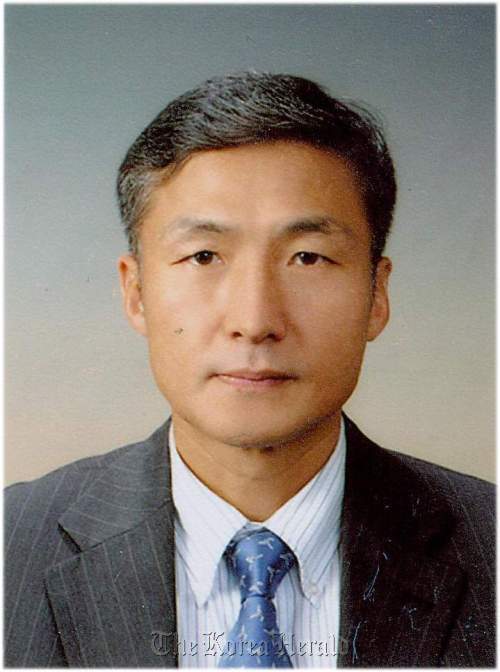
As a father of three children, I am naturally very concerned about Korea's education system. It was painful for me to watch my eldest daughter living like a slave studying during her high school years, preparing for college exams day and night under almost unbearable pressure.
Luckily, she now attends a fairly respected university in Seoul, although this doesn't necessarily mean she will have a promising future, given the tough job market of today.
Now the problem is my two younger children, both in elementary school. I honestly don't have the courage to put them through another round of tormenting study at Korea's middle and high schools all for the sake of a good university. I see and sometimes envy many of my colleagues and friends who have been emancipated from that mind-boggling burden after they sent their kids to study overseas. Their children were also freed from the bondage of study-or-die and cutthroat competition at Korean schools. Then again, I am not brave enough to send my family abroad and live as a lonely goose father.
It was in that spirit that I attended a recent seminar organized by Jeju Province to introduce the island's new international schools to wavering parents like me. "Jeju English Education City: Where Learning Is Joyous," read a pamphlet cover handed out to attendees at the gate. The 90-minute session was an eye-opener.
Starting in the fall of 2011, Korean parents like me can send their kids to Jeju's international schools where everything will be taught in English (except for Korean language/literature and Korean history). Eventually, a total of 12 elementary, middle and high schools will be set up to house nearly 10,000 students at any given time. The first school to open next year, North London Collegiate School, is apparently a top private school in the U.K. where 44 percent of the graduates are admitted to either Oxford or Cambridge.
Other prominent private schools from the U.S. and Canada are also in talks with Jeju and final deals are likely to come soon, the organizers promise. They also pledge that the international schools will be devoid of the study pressures that are common in local schools. "The schools have three distinctive advantages: excellent curriculum, prominent teachers and wide networks," an official from the Jeju Free International City Development Center proclaimed.
There was an additional bonus. The organizers estimate yearly costs of studying at one of the schools, inclusive of tuitions and housing, at around $20,000. That is less than half of what my goose father friends send every year to their families overseas. If everything goes as planned, I can send my kids to Jeju and have them study in a stress-free environment, master English and network with all the fabulous alumni of those schools -- all just for a half of the normal overseas study costs.
And I will be able to meet my kids whenever I want to because it is an inexpensive one-hour flight between Seoul and Jeju. (As they say, then I can officially become a rich eagle father who can fly frequently, unlike a goose father who flies only once or twice a year, or a poor penguin father who can never fly to see his family overseas.) Another fringe benefit will be the leisure and luxury life I will be able to enjoy at Jeju when I fly to see my kids -- the gorgeous golf courses, the mountain hiking trails and newly built tracking routes and the fantastic sea food.
Of course these could be just me fantasizing. As many zealous parents who attended the seminar that day pointed out during a question and answer session, there are still some issues that make me waver. The first question is whether kids at Jeju international schools will be able to master English. Jeju officials say any Korean kid can be admitted to the schools if they meet certain academic standards. That means it can be all Korean schools where Korean will be the official after-school language.
The organizers say they will fill 30 percent of the slots with kids from other Asian countries so that students talk in English even after school hours. The natural question is then whether the Asian students will be good enough academically to keep up with their Korean counterparts. Another concern was the tight schedule for the construction of the schools and other facilities, such as dormitories. "Will there be a lot of construction noise when our kids study there?" asked a suspicious father in the seminar.
Despite all those reservations, I concluded that it is worth trying. The bottom line is my two younger kids don't really have to go through the same painful course of studying like crazy and sacrificing everything else for a good college as their big sister did. My wish is to grant them a little more freedom and a little more choice. Spending this Children's Day together with them, playing and having fun, I dare to become an eagle father who flies overseas frequently. After all, isn't Jeju overseas?
The writer is Newsweek's Seoul correspondent -- Ed.
By Lee Byung Jong
Copyright © 코리아헤럴드. 무단전재 및 재배포 금지.