[해외논단]全세계 도전에 직면한 미국
|
|
| 빅터 데이비드 핸슨 美 칼럼니스트 |
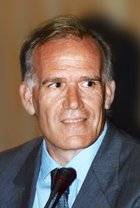
조지 W 부시 대통령이 임기를 끝내면 미국은 다시 세계 대다수 사람들의 호감을 얻을 수 있을까. 현재 직면한 대부분의 문제가 이미 개선되기 시작했거나, 미국의 잘못 탓이 아니기 때문에 꼭 그렇게 되지는 않을 것이다.
다음 대통령의 임기가 2009년 1월에 시작되면 세계의 경쟁국들이 갖가지 이기적인 이유로 미국에 도전하는 상황에 직면하게 될 것이다.
아프가니스탄과 이라크의 독재체제가 폐지된 것은 긍정적인 면이다. 이라크의 헌정체제가 안정되면 이라크 주둔 미군의 규모가 점진적으로 줄어들 것이다.
유럽에서는 니콜라 사르코지가 이끄는 프랑스와 앙겔라 메르켈이 이끄는 독일이 친미 정책을 유지할 것이다. 양국은 미국의 지속적인 지도력 발휘를 기대하고 대서양동맹을 강조할지 모르나 실제로는 국제적인 분쟁에서 미국을 거의 돕지 않는다.
아프리카의 대부분 지역 역시 진작부터 친미 노선을 걷고 있다. 아프리카의 기아와 질병 퇴치를 위해 부시 대통령은 역대 어느 대통령보다 많은 인도적 원조를 제공했다.
미국의 적들은 어떨까. 기독교 카우보이 조지 부시가 텍사스로 돌아가면 적들도 물러서지 않을까. 그리고 미국은 세계에 더 친절하고 온건하며 희망이나 변화를 제시하는 새 영도자를 맞게 될까. 그렇게 되기는 어려울 것이다.
현재 미국이 직면한 많은 문제는 부시 이전부터 존재했으며, 그가 퇴임한 뒤에도 계속해서 남을 가능성이 크다. 우선 다음 대통령은 블라디미르 푸틴이 이끄는 러시아에 대처해야 할 것이다. 자존심이 강한 러시아는 부시 행정부와 무관한 여러 가지 이유로 분노를 느끼고 있다. 원유 수출로 자금이 풍부해진 러시아는 제국의 상실을 괴로워하고 무능한 유럽 국가들의 인권 설교에 염증을 내고 있다.
과거 클린턴 행정부의 관계 정상화 시도를 되풀이하여 거부했던 이란은 지금 핵무기 보유를 원하며 이웃 국가들과 이스라엘을 협박할 것이다. 마흐무드 아흐마디네자드 이란 대통령은 히틀러 말투를 흉내내 유대인 국가를 "불결한 박테리아"라고 부르고 이스라엘을 지도에서 지우겠다고 공약했다. 부시가 미국 대통령이기 때문에 그가 이 같은 발언을 한 것은 아니다. 부시가 퇴임한 뒤에도 그런 발언을 중단하지 않을 것이다.
오사마 빈 라덴이 미국인들에게 테러공격을 한 것도 조지 부시 이전부터의 일이다. 미국이 2001년에 최후의 결단을 내림으로써 테러와의 전쟁이 시작되었다. 미국이 성전 가담자들을 박멸하고 그들을 만든 환경을 바꾼 뒤에야 테러와의 전쟁이 끝날 것이다. 아니면 미국이 항복하고 무대응 정책으로 되돌아간 후에나 끝날 것이다.
세계의 장기 과제는 초당적인 관심사이며 보수파 공화당이 만들었거나 진보파 민주당이 쉽게 해결할 수 있는 사안이 아니다. 기독교 국가인 세르비아와 세르비아를 후원하는 러시아가 무력으로 코소보를 탈환하려 한다면 미국은 신생 무슬림 국가인 코소보의 독립을 보장해야 하는가. 그러려 한다면 유럽에서 또 한 차례 참혹한 전쟁이 일어날 가능성과 미국의 코소보 지원을 무슬림 세계가 달가워하지 않을 것이라는 점을 고려해야 한다.
미국은 중국에 압력을 넣어 무역관행을 시정시키고 시민의 기본인권을 보장하도록 만들어야 하는가. 그럴 경우 중국이 보유한 수천억달러 상당의 미국 공채가 매각되는 사태에 대비해야 할 것이다.
미국은 이란을 외교적으로 승인하고 대화를 시작해야 할 것인가. 그러려면 이란이 핵폭탄 제조를 가속화하는 사태를 각오해야 할 것이다.
지금 미국이 에너지 부족에 시달리고 거액의 빚을 진 채 세계 자원을 독점하려 든다고 생각하는 경쟁국들은 미국이 약해진 것으로 추측한다. 그들은 자기네가 미래의 주인이며 미국은 과거의 주인이라고 생각한다.
그러므로 다음 미국 대통령은 전 세계로부터 도전을 받을 것임이 분명하다. 그러나 그들의 생각이 틀렸다는 것을 증명하는 것이 좋다.
빅터 데이비드 핸슨 美 칼럼니스트
워싱턴 타임스·정리=오성환 외신전문위원
COMMENTARY: The world in 2009By Victor Davis Hanson
When President Bush leaves office, will America once again be liked by most of the world? Not necessarily, since most current problems are either already getting better or not our fault.
When the next president takes office in January 2009, he or she will confront a world that either understandably appreciates America or for self-interested reasons will challenge it.
On the positive side, the new president will see a Middle East without the Taliban in charge in Afghanistan or Saddam Hussein ruling Iraq. A stabilizing constitutional Iraq should result in a steadily diminishing American presence there.
In Europe, the French under Nicolas Sarkozy and the Germans under Angela Merkel will remain pro-American. But they will also expect continued American leadership. Both may talk grandly of the Atlantic Alliance, but in real terms they do little to help us in Afghanistan or elsewhere.
Most of Africa likewise is already friendly to the United States. And why not? Mr. Bush extended more humanitarian aid to combat African hunger and disease than any president in our history.
But what of our enemies? Won't adversaries back off when the Christian cowboy George Bush rides back to Texas ? and we have a kinder, gentler commander in chief who offers hope, or at least change, to the world? Hardly.
There are plenty of problems that both antedated George Bush and are likely to continue well after he has left office.
For starters, the next American president will have to deal with Vladimir Putin's Russia, which is proud and angry for reasons that go well beyond the Bush administration. Russia is flush with petrodollars, still smarting over lost empire and tired of lectures about human rights from impotent European states.
Iran, which repeatedly snubbed the efforts of the Clinton administration to normalize relations, will still want a bomb, will still intimidate neighbors and will still threaten Israel. Indeed, Iranian President Mahmoud Ahmadinejad, in Hitlerian fashion, has called the Jewish state "filthy bacteria" and promised to wipe it off the map. He didn't say these things because George Bush is president, and he won't stop when Mr. Bush is gone.
Sen. Barack Obama, who looks more and more likely to be the Democratic presidential nominee, has said he would favor taking out "high-value terrorist targets" inside Pakistan on our own if the Pakistani government won't. But so far we haven't done that because Pakistan is nuclear and friendlier to jihadists than to us. That won't change, either.
Osama bin Laden's attacks on Americans also predated George Bush. The war on terror started only when we finally decided to strike back in 2001. And it will end only when we destroy the jihadists and alter the conditions that created them ? or give in and return to the earlier policy of inaction.
Long-term global challenges are bipartisan concerns ? neither caused by conservative Republicans nor solved by easy answers from liberal Democrats.
Should we guarantee the new independence of Muslim-dominated Kosovo, if Christian Serbia and its Russian patrons seek to get it back by force? If so, consider the chance of another bloody war inside Europe and no appreciation for our help in Kosovo from the Muslim world.
Should we press China to clean up its trade practices and grant basic human rights to its own citizens? If so, be ready to see hundreds of billions of dollars in Chinese-held U.S. government bonds sold off.
Should we extend formal diplomatic recognition to Iran and begin talks? If so, be prepared that, with even less worry, Tehran will accelerate efforts to get the bomb.
It is a cop-out to say George Bush caused all these problems. They loom large mostly for two reasons:
(1) The United States promotes global democratic capitalism, and our military ensures international free commerce in the air and on the seas. This bothers regional dictators and terrorists eager to carve out their own spheres of influence, regardless of who sits in the Oval Office.
(2) Billions of people in India, Russia, China, Asia and Latin America, having copied American business and culture, are now doing better, and demand the same good lives we take for granted.
Our rivals suspect we are played out, short of energy, long on debt, and hogging the world's resources. They see no reason to stop pushing just because of our past strength and reputation. They think the future is theirs, the past ours.
And so all over the globe they will surely challenge the next president, however nice, to prove them wrong.
Victor Davis Hanson is a nationally syndicated columnist and a classicist and historian at Stanford University's Hoover Institution and author of "A War Like No Other: How the Athenians and Spartans Fought the Peloponnesian War."
2008 태안살리기 마라톤대회 (http://marathon.segye.com)
ⓒ 세계일보&세계닷컴(www.segye.com), 저작자표시+비영리+변경금지
<세계닷컴은 한국온라인신문협회(www.kona.or.kr)의 디지털뉴스이용규칙에 따른 저작권을 행사합니다.>
Copyright © 세계일보. 무단전재 및 재배포 금지.
- “통장 깔까?” 1300억 건물주 장근석의 서늘한 응수…암 투병 후 악플러 ‘참교육’한 사연
- 54년 ‘솔로 침묵’ 깬 ‘무적’ 심권호…간암 극복 끝에 털어놓은 뭉클한 꿈
- "계좌 불러라" 폐업날 걸려온 전화...양치승 울린 박하나의 '묻지마 송금'
- “걱정 마요”…박보검·송중기·김혜수, 촬영장에서 드러난 진짜 인성
- 교통사고 3번, 부서진 커리어…조용원이 선택한 가장 완벽한 ‘퇴근’
- “종이컵 핫커피, 15분 지나면 마시지 마세요”…혈관 파고드는 ‘70만 개 플라스틱’의 정체 [라
- "62세 맞아? 여전히 컴퓨터 미인"…황신혜의 아침 식단은 '요거트와 친구들' [라이프+]
- "초콜릿보다 짜릿"…억만장자 잭 도시의 ‘얼음물’ 루틴이 과학적인 이유
- "바질 비켜!”…알고 보니 달래는 파스타 재료였던 건에 관하여 [FOOD+]
- 이재용 32조 탈환 이끈 'AI 반도체'…골프장은 왜 삼성이 압도적 1위일까?