[해외논단]미국 경제의 '도덕적 해이'
|
|
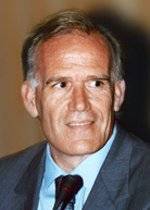
| 빅터 데이비드 핸슨 美 후버연구소 역사학자 |
미국 대통령 선거운동이 열기를 더해가고 있는 올해 주택가격이 폭락하고 있다. 은행들은 상환 불가능한 대출을 장부에서 수십억 달러씩 삭제하는 중이다. 증권시장은 거의 시간 단위로 심한 등락을 반복한다.
대선 후보들은 고통이 없고 거의 즉각적인 완화대책을 공약하고 있다. 그러나 정치가들의 과장된 발언에도 불구하고 미국 경제가 곤경에 처한 이유를 이해하는 것은 어렵지 않다.
우선 지나치게 무모했던 부동산 투기 과열을 원인으로 지적할 수 있다. 최근 몇 년 동안 많은 시민들이 쉬운 은행 대출을 받아 부동산을 구입하고 판매하여 이익을 볼 수 있다는 기대에 들뜬 결과 주택가격이 폭등했다.
너무나 많은 투자자들이 과거의 도덕적 기반이 된 관념을 망각했다. 즉 집의 목적은 가정을 이루어 사는 장소이며 주택 소유로 자부심을 느낀다는 관념을 망각했다. 과거에는 내 집을 마련하는 데 평생은 아닐지라도 오랜 세월의 투자가 필요했고 주식이나 채권 증서를 사고파는 것처럼 쉽게 이루어지는 일이 아니었다. 금리가 상승하는 와중에서 자신의 재력이 미치지 못하는 비싼 주택을 사는 사람도 있었다.
한편 미국의 휘발유 가격이 상승함에 따라 서민들의 연간 가계 지출이 수백 달러 늘고 있다. 그러나 중동과 라틴 아메리카의 산유국들과 러시아 등 호전적인 석유수출국들이 미국의 석유 과소비를 언제까지 허용할 것인지는 미지수다. 또 중국과 인도 같은 경제의 경쟁국들도 미국의 석유 과소비에 제동을 걸게 될 것이다. 미국은 현재 전 세계 산유량의 4분의 1을 소비하고 있다.
미국의 일반 가정은 평균적으로 세계에서 규모가 가장 큰 주택에서 살고 있다. 또 가장 많은 승용차를 사용한다. 대형 스크린 TV나 DVD 플레이어 같은 가전제품도 가장 많이 사용한다. 그러나 미국인들은 그 대금을 지불하기 위해 중국, 일본, 유럽, 한국으로부터 수조 달러의 돈을 빌려온다.
일부 경제전문가들은 그런 상황이 윈·윈게임이라고 주장할지도 모른다. 즉 다른 나라 사람들이 미국에 값싼 소비제품을 공급해 주고 상품 구입에 사용할 돈까지 빌려 주면서 낮은 금리를 받는다는 것이다. 그러나 역사적으로 채무자가 채권자보다 도덕적으로나 심리적으로나 현실적으로 더 편한 기분을 느낀 때가 과연 있었을까.
미국 대선 후보들은 위와 같은 어려운 문제에 관한 솔직한 토론을 피한다. 공화당은 금리 인하와 세금 환급으로 경제에 유동성을 공급하기 위해 정부의 채무 증액을 원한다. 민주당 측의 말을 들어보면, 정부가 새로운 구조금융조치를 하지 않을 경우 미국인들은 한도를 넘은 카드빚을 감당할 수 없을 것이라는 생각이 들게 된다.
그러나 이미 과열된 경제를 추가로 자극할 수 있는 대책이 사실상 거의 남아 있지 않다. 미국은 여전히 매년 막대한 예산적자를 내고 있으며, 무역수지는 심한 불균형을 이루는 한편 국가 부채는 계속 증가하고 있다. 오래지 않아 미국인들은 갈수록 늘어나는 노인의료보험제도와 사회보장제도를 감당할 수 없게 될 것이다.
현재의 미국 금리는 역사적으로 높은 것이 아니다. 그러므로 금리 인하는, 외국인들이 더 높은 수익을 얻기 위해 미국 내에 투자한 돈을 다른 지역으로 이동시키도록 만들 가능성이 농후하다. 미국 정부는 장차 전 국민 대상의 의료보험제도 시행이나 고액의 대학장학금 지급은 고사하고 현재 시행 중인 각종 연방정부의 계획을 추진할 예산 확보도 어려워질 수 있다.
그러므로 공화당 유권자들은 먼저 상응하는 예산 지출 삭감안을 제시하지 않은 채 또 세금을 인하하겠다고 공약하는 대선 후보에게 투표해서는 안 된다. 또 민주당 유권자들은 추가 세입 조달 방안을 구체적으로 제시하지 않고 수십억 달러 규모의 복지 혜택을 제공하겠다고 공약하는 후보들은 단호하게 배격해야 한다.
미국인들은 수십억 달러의 의료보장제도 및 교육비를 새로 요구하는 대신 시민복지제도 시행의 책임을 더 많이 부담해야 한다.
빅터 데이비드 핸슨 美 후버연구소 역사학자
워싱턴 타임스
정리=오성환 외신전문위원
The moral economyBy Victor Davis Hanson
In this heated campaign season, housing prices are plummeting. Banks write off billions of dollars in unrecoverable debt. The stock market wildly fluctuates almost hourly. Candidates promise painless and near instant relief.
But despite the politicians' rhetoric, it is not hard to understand why America is in trouble.
First, there has been too much madcap real estate speculation. In recent years, housing prices were driven sky-high on the expectation that almost anyone, often with little security, could profit by borrowing easy money to buy and sell property.
Too many investors lost the old pedestrian notion that the purpose of a house was to be a home in which to live, to raise a family and to take pride in ownership. Its acquisition used to be a multi-year, if not once-in-a-lifetime, investment ? not quite comparable to the easy buying or selling of volatile paper stocks and bonds. Others did not have the means to afford the type of home they purchased, once risky variable interest rates climbed.
Gasoline prices, meanwhile, are well more than $3 a gallon in many places, sucking hundreds of dollars out of annual family budgets. But how long did we really believe that oil-exporting belligerents in the Middle East, Latin America and Russia, or our economic rivals in China and India, would allow the United States to continue gobbling up a quarter of the world's daily output at $20 a barrel?
American households have on average the largest houses in the world, the most cars and plentiful conveniences like big-screen televisions and DVD players. Yet there is a growing sense we are paying the tab by borrowing trillions from the Chinese, Japanese, Europeans and South Koreans.
Some economists might argue it is a win/win situation to have others toil to send us their cheap consumer goods, lend us the money to buy them and get little interest back on their debt. But when in history has a debtor ever felt better ? in a moral, psychological or practical sense ? than his lender?
Our candidates avoid that sort of honest tough talk. Republicans instead want an indebted government to pump up the economy by interest-rate cuts and tax rebates. And if we listen to Democrats, you would think no American could survive another maxed-out credit card without another new government bailout program.
Yet in truth, there are few options left to stimulate the already frenetic economy. The United States is still racking up large annual budget deficits and trade imbalances ? while serially piling up aggregate national debt. Soon America won't be able to meet its ever-expanding Medicare and Social Security obligations.
Current interest rates are not historically high. So cutting them might well convince our foreign borrowers to take their capital elsewhere for higher returns. And we can't pay for the federal programs we now provide, let alone expand them to offer universal health care or heavily subsidized college tuition. What then can we do?
(1) At this late date, Republicans shouldn't vote for any candidate who promises another tax cut without first offering a matching slash in expenditures. And Democrats should reject any candidate who promises another multibillion-dollar entitlement without detailing how the additional revenue is to be raised.
(2) Instead of demanding new billion-dollar programs for health care and education, we should take more responsibility for our own welfare.
Americans need to readjust their budget priorities. One might be able to believe that a $200 dollar-a-month private catastrophic health plan is out of the reach of most Americans ? if we also heard that sales of video games, cell phones and plasma televisions have crashed.
(3) We need to ignore the alarmist hysteria, calm down and appreciate that life is better than at any time in the last 5,000 years of civilization. People are living longer; we're healthier; and millions of Americans have the opportunities to travel, communicate and avoid physical drudgery that were once reserved only for a tiny aristocracy. There is plenty of excess in modern American life that can be shed without real hardship.
(4) Finally, we must view our present economic challenges in a larger philosophical and ethical framework ? and redefine success as being able to pay off what we owe, and spend only what we earn.
Who knows? Knowledge that we live in a nation with a strong currency, no annual deficit and no aggregate debt to be passed on to our children might bring Americans as much pride and joy as the next iPhone or trip to Vegas.
Victor Davis Hanson is a nationally syndicated columnist and a classicist and historian at Stanford University's Hoover Institution and author of "A War Like No Other: How the Athenians and Spartans Fought the Peloponnesian War."
madcap:물불 가리지 않는 사람 tab:청구서, 계산서 frenetic:미친 듯이 흥분한 revenue:세입 entitlement:권한부여, 자격부여
ⓒ 세계일보&세계닷컴(www.segye.com), 저작자표시+비영리+변경금지
<세계닷컴은 한국온라인신문협회(www.kona.or.kr)의 디지털뉴스이용규칙에 따른 저작권을 행사합니다.>
Copyright © 세계일보. 무단전재 및 재배포 금지.
- 54년 ‘솔로 침묵’ 깬 ‘무적’ 심권호…간암 극복 끝에 털어놓은 뭉클한 꿈
- “걱정 마요”…박보검·송중기·김혜수, 촬영장에서 드러난 진짜 인성
- 교통사고 3번, 부서진 커리어…조용원이 선택한 가장 완벽한 ‘퇴근’
- "계좌 불러라" 폐업날 걸려온 전화...양치승 울린 박하나의 '묻지마 송금'
- “종이컵 핫커피, 15분 지나면 마시지 마세요”…혈관 파고드는 ‘70만 개 플라스틱’의 정체 [라
- "62세 맞아? 여전히 컴퓨터 미인"…황신혜의 아침 식단은 '요거트와 친구들' [라이프+]
- "초콜릿보다 짜릿"…억만장자 잭 도시의 ‘얼음물’ 루틴이 과학적인 이유
- "바질 비켜!”…알고 보니 달래는 파스타 재료였던 건에 관하여 [FOOD+]
- 이재용 32조 탈환 이끈 'AI 반도체'…골프장은 왜 삼성이 압도적 1위일까?
- "클리너 부어도 소용없다"…세탁기 속 '곰팡이 요새' 스파이더를 아십니까? [라이프+]