[해외논단]역사를 움직이는 사람들
|
|
| 빅터 데이비드 핸슨 美 칼럼니스트 |
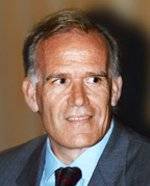
최근 들어 역사는 기술과 환경, 계급 혹은 인종에 의해 결정된다는 말이 유행했다. 개인이 역사의 형태를 결정할 수 있다는 발상은 구시대적인 사고로 취급되었다. 그러나 사실은 그렇지 않다.
프랑스의 신임 대통령 니콜라 사르코지를 예로 들어보자. 지난 60년 동안 프랑스는 국가의 권력을 계속 강화했다. 공무원들이 권한을 확대하고 후한 퇴직금을 받는 동안 프랑스의 경쟁력은 글로벌화된 세계시장에서 약화되었다.
그러나 금년 봄 원칙 있는 행동과 서구 가치관을 앞세우고 프랑스를 외교 강국으로 만들겠다는 비전을 제시한 개혁적인 정치인이 등장했다. 사르코지는 거의 단독으로 프랑스와 미국의 우호관계를 회복시켰고 국제경제의 개혁을 시작했다. 그는 프랑스의 자유 및 경제의 확대에 중요한 기업가 정신과 창의력을 되살리는 길을 모색하고 있다.
프랑스의 노조들과 지식 엘리트들 및 완고한 사회주의자들이 자신을 반동분자이며 미국의 꼭두각시라고 비방할수록 사르코지는 과거 프랑스의 상업적, 지정학적 강대국 지위를 회복할 때까지 개혁을 늦추지 않을 것이라고 다짐했다.
역경에 도전하여 통념에 이의를 제기한 사람이 사르코지 한 사람만은 아니다.
2007년 초까지도 비판자들은 미국의 이라크 전쟁이 패배로 끝날 것이라고 단언했다. 그러나 이라크 주둔 미군 사령관 데이비드 페트레이어스 장군은 이라크의 안보를 강화하기 위해 전술을 획기적으로 바꾸는 한편 이라크 주둔 미군을 증강하기 위해서 과거와 다르고 위험 부담이 따르는 방안을 선택했다.
그러나 미 의회 지도자들은 병력 증강 계획으로 이라크 사태가 개선되었다는 그의 증언이 신뢰할 수 없다고 주장했다. 미군이 알 카에다에 공격을 가하고 여러 도시를 탈환하는 과정에서 미군의 사상자 수가 급격히 늘어날 때 페트레이어스는 자신의 병력 증강 전략을 고수했다.
이라크에 현재 정착되기 시작한 안정과 낙관적인 전망이 영구화될 것인지 여부에 대한 판단은 아직 시기상조다. 그러나 페트레이어스가 이라크의 안보를 이룩할 수 없다면 그 어떤 군인도 해낼 수 없다는 것이 미국 전문가들의 중론이다. 그는 군인으로서 최고의 찬사를 받은 것이다.
소말리아에서 태어난 네덜란드 여권운동 정치가 아야안 히르시 알리는 더욱 섬세하고 새로운 방식으로 역사를 변화시키고 있다. 무슬림으로 성장한 그녀는 이슬람 군본주의에 따른 중매결혼 관행과 여성에 대한 성차별에 반대한다. 그녀는 7세기 때 만들어진 이런 관습에 반대하는 사람들에게 가해지는 갖가지 협박에 반기를 들었다.
그녀는 이슬람 과격파가 종교적 다양성을 용납하지 않고 여성들을 억압하며 온건한 무슬림들을 협박하는 사실을 만천하에 증언하고 있다.
히르시 알리는 여러 방면으로부터 공격을 받고 있으나 침묵을 거부한다. 중동의 전통적인 근본주의자들이 그녀를 협박했다. 처음에 그녀를 진보주의 여성으로 생각하여 지지했던 서방의 진보세력도 그녀가 서구의 가치관을 옹호하자 등을 돌려 비판을 시작했다.
그녀가 집필한 이슬람 여성에 관한 다큐멘터리를 영화로 제작한 네덜란드의 테오 반 고흐 감독은 이슬람 테러분자의 손에 암살당했다. 자신에게 가해지는 협박에도 불구하고 히르시 알리는 뜻을 굽히지 않는다.
위에 소개한 세 사람처럼 두려움을 극복하는 정직한 사람들이 현실 세계를 크게 변화시킬 수 있다. 그들은 역사에 인간의 얼굴이 존재하지 않는 것이 아니라 소수의 용기 있는 사람들에 의해 역사가 변화될 수 있다는 것을 만인에게 일깨워 준다.
빅터 데이비드 핸슨 美 칼럼니스트
워싱턴 타임스
정리=오성환 외신전문위원
A few good peopleBy Victor Davis Hanson
In the last few years, it has become popular to say that history is determined largely by sweeping inanimate forces of technology, the environment, gender, class or race. We play down the role of individuals ? as if the notion that one person can shape history is old-fashioned. But that's hardly the case.
Take Nicolas Sarkozy, the new president of France. For 60 years, the power of the state in France had steadily increased. Government workers were handed lavish entitlements and retirement packages while French competitiveness diminished in a new globalized world.
Abroad, traditional French foreign policy cynically tried to have it both ways: staying within the protection of the Western democratic alliance but at the same time opportunistically backbiting the United States to gain special commercial and diplomatic favor with authoritarian governments in Asia, Africa and the Middle East.
But this spring, a reformer arrived on the scene with visions of France as a world diplomatic player that would be known for its principled behavior and defense of Western values.
Mr. Sarkozy almost single-handedly has restored France's friendship with the United States, begun to reform the economy at home and sought to bring back French entrepreneurship and creativity critical for a free, expansive economy.
The more the unions, the French intellectual elite and entrenched socialists slur Mr. Sarkozy as a reactionary and American puppet, the more he has vowed that he won't relent until a reformed France can recapture its former commercial and geopolitical prominence.
Mr. Sarkozy isn't the only one defying the odds and questioning conventional wisdom.
By early 2007, critics swore that the American effort in Iraq was doomed and the war lost. But Gen. David Petraeus, the top U.S. commander there, outlined a different, risky path of sending more Americans into Iraqi communities while radically changing tactics to ensure better security.
In response, prominent members of Congress suggested that his testimony about the surge's good progress was neither candid nor credible ("creative statistics," a "Petraeus village," "facade," "fiction," and "a suspension of disbelief.")
No matter. He kept with the surge strategy when casualties spiked as Americans took the offensive against al Qaeda and reclaimed urban centers. The verdict is still out on whether the new calm and optimism in Iraq will prove permanent. But the highest compliment now given to Gen. Petraeus is the growing consensus that if he cannot secure Iraq, then there is no other military commander around who can.
Shaping history in a different, more subtle way is Ayaan Hirsi Ali, the Somali-born Dutch feminist and politician.
She grew up a Muslim, but rebelled at the fundamentalist practice of arranged marriage and gender apartheid ? and the threats directed toward anyone who questioned such seventh-century intolerance.
When Westerners, especially conservatives, criticize radical Islam on these grounds, they are often libeled as Islamophobes or written off as illiberal. But Miss Hirsi Ali has shown the world that a liberal woman can teach us first-hand about Islamic extremists ? their intolerance of religious diversity, subjugation of women, and bullying of moderate Muslims in their midst.
Miss Hirsi Ali has been attacked from every direction, and yet still won't keep quiet. Traditional Middle East fundamentalists, of course, have tried to bully and threaten her. But many secular, liberal Dutch haven't been much better. At first, they thought that this third-world celebrity fit their ideal of the black emancipated feminist. Now, even as she's damned by radical Islamists for being Westernized, she's equally damned by liberals in her country and elsewhere for acting as if she were some conservative cheerleader of Western values.
Miss Hirsi Ali demands from Muslims the same scrutiny of their religious brethren as other religions do of their own. Theo van Gogh, director of "Submission," a documentary film about women in Islam that Miss Hirsi Ali wrote, was murdered by an Islamic terrorist. Yet Miss Hirsi Ali has not let threats on her own life impede her mission.
What do all these mavericks who have changed the status quo have in common? First, they not only followed their beliefs with action, but also were willing to endure the inevitable criticism to follow. Second, although they have strong beliefs, none are overtly partisan; all instead seek a common good.
The conservative Mr. Sarkozy appointed a socialist as his foreign minister. To this day, partisans can't figure out whether Gen. Petraeus is a Republican or Democrat. Miss Hirsi Ali wants equality for women and greater tolerance of diverse opinion in the Muslim world ? and thereby a better understanding between the West and Islam.
Fearless iconoclasts like these three really can make an enormous difference. They remind us that history is not faceless, but can still be changed by just a few brave people after all.
Victor Davis Hanson is a classicist and historian at the Hoover Institution, Stanford University, and author, most recently, of "A War Like No Other: How the Athenians and Spartans Fought the Peloponnesian War."inanimate:생명이 없는, 활기가 없는 prominence:탁월한, 걸출한 odds:역경, 난관 be out on -:-중이다
* 제17대 대선 특별 사이트 http://17daesun.segye.com
ⓒ 세계일보&세계닷컴(www.segye.com), 저작자표시+비영리+변경금지
<세계닷컴은 한국온라인신문협회(www.kona.or.kr)의 디지털뉴스이용규칙에 따른 저작권을 행사합니다.>
Copyright © 세계일보. 무단전재 및 재배포 금지.
- 100억 쓰던 ‘신상녀’ 300원에 ‘덜덜’…서인영 “명품백 대신 가계부 쓴다”
- “통장 깔까?” 1300억 건물주 장근석의 서늘한 응수…암 투병 후 악플러 ‘참교육’한 사연
- “깨끗해지려고 썼는데”…물티슈, 항문 더 망가뜨리는 이유 있었다
- "故 전유성, 지금까지 '잘 놀았다'고"…최일순, 유작 작업 중 그리움 드러내
- “밤에 2번 깨면 다르다”…피곤인 줄 알았는데 ‘야간뇨 신호’였다
- "계좌 불러라" 폐업날 걸려온 전화...양치승 울린 박하나의 '묻지마 송금'
- "한석규 선배의 그 한마디가…" 안효섭, 대세 배우가 허영심을 경계하는 진짜 이유
- 54년 ‘솔로 침묵’ 깬 ‘무적’ 심권호…간암 극복 끝에 털어놓은 뭉클한 꿈
- “걱정 마요”…박보검·송중기·김혜수, 촬영장에서 드러난 진짜 인성
- 교통사고 3번, 부서진 커리어…조용원이 선택한 가장 완벽한 ‘퇴근’