[해외논단]이란 핵폭탄 누가 저지할 것인가
비교적 약하고 변덕스러운 이란의 핵무기 획득을 저지하는 것은 일견 간단해 보일 것이다. 이란 핵무기 저지는 또한 국제사회가 우려하여 적극 나설 문제처럼 보인다.
이란 주변의 이슬람 수니파 아랍 국가들은 핵무장한 이슬람 시아파 국가가 자기네 국경을 넘보는 것을 원하지 않는다.
테헤란에서 별로 멀지 않고 미사일방어(MD)체제가 없는 유럽은 분명히 이란 미사일의 사거리 안에 들어가는 것을 원치 않는다.
이스라엘을 지도에서 지우겠다고 공약하고 그 수단을 노골적으로 찾고 있는 이란의 신권통치 체제를 이스라엘 역시 용납할 수 없을 것이다. 이미 인도와 파키스탄, 북한의 핵무기 보유에 대해 우려하고 있는 러시아와 중국 모두 자국과 국경을 맞댄 아시아 국가가 새로 핵무기를 보유하고 핵경쟁에 나서는 것을 원치 않을 것이다.
이스라엘에 대한 이란의 협박을 걱정하고 이란에서 수입한 무기로 무장한 친이란 반군 및 테러분자들과 매일 전투를 벌이고 있는 미국은 핵무기를 보유한 이란이 걸프 전역으로 영향력을 확장하는 사태를 원치 않는다.
그러나 이 모든 세력이 이란의 핵무기 획득을 저지하기 위해 적극적으로 나서지 않고 있다. 그들은 이란 핵무기 저지 노력이 대가에 상응하는 가치가 없는 것으로 보는 듯하다. 일부 세력은 이란이 핵무기를 보유할 경우 자기네에게 다소 이익이 될 것으로 보는지도 모른다.
예를 들어 걸프의 아랍 왕국들은 엄청난 규모의 오일달러로 핵무장한 이란의 위협을 무마할 수 있을 것으로 생각한다. 그들은 여의치 않을 경우 미 해군을 불러들여 이란으로부터 보호해 달라고 요청할 수 있다는 것을 안다.
한편 걸프에서 현재 고조되고 있는 긴장과 혼란에 대한 우려 때문에 수십억달러의 석유 이익이 걸프 국가들로 흘러들어가고 있다.
아랍 국가 지도자들은 이란에 맞서는 조치에 대해 자국 국민들이 어떤 반응을 보일 것인지도 걱정해야 한다. 마흐무드 아흐마디네자드 이란 대통령은 시아파 출신임에도 불구하고 조지 부시 미국 대통령보다는 걸프 지역의 수니파 이슬람교인들 사이에서 인기가 훨씬 높다.
아랍 국가들과 마찬가지로 유럽연합(EU)은 경제적 영향력과 기민한 외교관들을 최후의 수단으로 동원하여, 높은 가격의 석유를 구입해줄 고객들이 필요한 테헤란의 이슬람 성직자들과 언제든지 타협할 수 있다고 생각한다.
블라디미르 푸틴 러시아 대통령의 외교정책은 옛 소련 제국의 상실과 미국이 유일 초강대국이란 사실, 독립하여 거만해진 소련 공화국들에 대한 러시아 국민의 불만을 반영하고 있다. 석유를 수출하는 러시아로서는 볼 때 미국을 괴롭히고 세계의 유가를 올리는 모든 사태가 윈-윈의 상황이다. 러시아가 원자로 기술을 이란에 제공하여 핵 문제에 부채질을 하는 까닭이 거기 있다.
러시아와 마찬가지로 중국은 핵 강대국이며 이란의 미사일을 별로 두려워하지 않는다. 중국은 이란의 미사일이 서쪽을 겨냥할 가능성이 더 높은 것으로 본다. 중국은 안전한 석유 공급을 보장하기 위해 걸프의 안정을 원하지만 이란이 핵무장하더라도 경제적인 거래를 계속할 수 있을 것으로 생각한다.
러시아의 경우와 마찬가지로 미국을 괴롭히는 것은 중국에 그다지 나쁠 것이 없다. 아흐마디네자드가 미국을 중동에 붙잡고 있는 동안 중국은 태평양에서 영향력 확장을 할 수 있는 여유가 커질 것으로생각한다.
전 세계가 아흐마디네자드를 위험한 광신자로 볼지 모른다. 그러나 많은 사람들에게는 그가 피델 카스트로 쿠바 국가평의회 의장과 우고 차베스 베네수엘라 대통령처럼 미국에 맞서는 반자본주의와 반세계화 인민전선을 상징하기 때문에 추방되어서는 안 될 인물이다.
그렇다면 누가 이란의 핵무장을 원하는가. 원하는 사람이 없다고 볼 수도 있고 모두 원한다고 할 수도 있다.
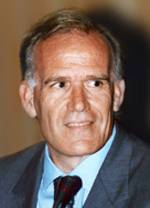
빅터 데이비스 핸슨 美 후버 연구소 역사학자
워싱턴 타임스
정리=오성환 외신전문위원
Who fears an Iranian bomb?
Victor Davis Hanson
At first glance, it would seem a straightforward thing to stop a relatively weak but volatile Iran from obtaining a nuclear bomb. It would also seem to be something a concerned world community would be actively working to do.
After all, the Sunni Arab states surrounding Iran don''t want a Shi''ite nuclear power on their borders.
Europe, which isn''t all that far from Tehran and lacks a missile-defense shield, certainly doesn''t want to be in range of Iran''s missiles.
Israel can''t tolerate an Iranian theocracy both promising to wipe it off the map and then brazenly obtaining the means to do so.
The Russians and the Chinese, both already concerned about India, Pakistan and North Korea, don''t need another rival Asian nuclear power on their borders.
And the United States, already worried about Iranian threats to Israel and involved in daily military battles in Iraq with pro-Iranian agents and terrorists armed with Iranian-imported weapons, doesn''t want a nuclear Iran expanding its Persian Gulf influence.
But in truth, most players don''t care enough to stop Iran from getting the bomb, or apparently don''t think it''s worth the effort and cost. Some may even see some advantages to a nuclear Iran.
The Arab Gulf monarchies, for example, know that their enormous dollar reserves would likely buy them some reprieve from a nuclear Iran, or at least bring in the U.S. Navy to offer them deterrence from attack.
Meanwhile, the current tension and ongoing fear of disruption in the Persian Gulf sends billions in windfall oil profits the Gulf states'' way.
Leaders of Arab states also have to fear their own populations'' reactions to any action taken against Islamic Iran. Despite his religious Shi''ite background, Mahmoud Ahmadinejad is far more popular among Sunni populations in the Gulf than George Bush ? and even perhaps more popular than the autocratic Arab thugs and dictators who run most of the Middle East.
The European Union, like the Arab states, believes as a last resort that its economic clout and deft diplomats can always work out some sort of arrangement with Tehran''s clerics, who, after all, need customers to buy their high-priced oil.
So most in Europe bristle at French President Nicolas Sarkozy''s warnings about an impending war to stop an Iranian bomb. Instead, they feel it''s an American problem to organize global containment of Iran.
Israel also has reason to fear a war with Iran. If Israel were to attack Tehran, it could find itself in three instantaneous wars ? and be hit with thousands of missiles from the West Bank, Gaza, Lebanon, Syria and Iran. That shower would make last year''s Hezbollah barrage seem like child''s play.
In Russia, Vladimir Putin''s foreign policy is nursed on grievances about a lost empire, America as the sole superpower and the independence of cocky former Soviet republics. In the thinking of oil-exporting Russia, anything that causes America to squirm and world oil prices to soar is a win-win situation. That''s why Russia supplies Iran with its reactor technology and stirs the nuclear pot.
China, like Russia, is a large nuclear power and doesn''t fear all that much Iranian missiles that it thinks are more likely to be pointed westward anyway. True, it would like calm in the Gulf to ensure safe oil supplies, but thinks it still could do business with a nuclear Iran.
And, as in the case of Russia, anything that bothers the United States can''t be all that bad for Beijing. While Mr. Ahmadinejad ties the U.S. down in the Middle East, China thinks it will have more of a free hand to expand its influence in the Pacific.
Then there''s the complacent situation here at home. After Afghanistan and Iraq, most Americans don''t feel we''re up to a third war. Some point to nuclear Pakistan and believe we could likewise live with Iran having the bomb.
A few on the left even feel that a nuclear Iran would remind us of our own limitations in imposing our will and influence abroad. They belittle the current warnings of George Bush and Dick Cheney about Iran''s nuclear program, shrugging that the two used to say similar things about Saddam and his nonexistent arsenal of weapons of mass destruction.
Meanwhile, much of the rest of the world, represented in the U.N.''s General Assembly, feels that a nuclear Iran offers comeuppance to a haughty United States, Israel and Europe without threatening anyone else.
Mr. Ahmadinejad may be viewed across the globe as a dangerous religious nut. But to many, he, like Fidel Castro and Hugo Chavez, also represents an anti-capitalist, anti-globalization popular front against America and therefore shouldn''t be ostracized.
So who wants a nuclear Iran?
No one and everyone.
Victor Davis Hanson is a classicist and historian at the Hoover Institution at Stanford University. He is the author of "A War Like No Other: How the Athenians and Spartans Fought the Peloponnesian War."
grievance:불만의 원인 cocky:건방진 squirm:몸부림치다
* 제17대 대선 특별 사이트 http://17daesun.segye.com
ⓒ 세계일보&세계닷컴(www.segye.com), 무단전재 및 재배포 금지
<세계닷컴은 한국온라인신문협회(www.kona.or.kr)의 디지털뉴스이용규칙에 따른 저작권을 행사합니다.>
Copyright © 세계일보. 무단전재 및 재배포 금지.
- “중국 240억 제안도 거절”…마포고 자퇴생 ‘페이커’는 위대한 ‘우리혁’이 됐다
- 오정세가 20년 무명 시절을 단번에 끝낸 ‘필모그래피 계산법’
- 당신도 놓치고 있을 수도…이성미·변정수·김혜연, 큰 병 마주한 뒤 찾은 삶의 이유
- “1년 수입 20만원”…판자촌서 버틴 김무열, '글로벌 1위' 찍고 양양 4층 건물주
- 166억 빌딩이 152억 되기까지…노홍철, 현금 2억 들고 강남 건물주 바꾼 계산법
- 100만원이 억대가 된 ‘시간의 법칙’, 김숙·유준상·이광기가 증명한 투자법
- ‘54년 무관’ 일본 팀 구한 스물한 살 공격수…‘벤치 신세’ 김연경, 세계 최정상 찍고 구단주
- 지하철 벤치에서 시작된 27년, 지성이 매일 대본 밖에서 벌이는 ‘치열한 전투’
- ‘300만 조회수 소녀’부터 소진 남편까지…‘김부장’ 의외의 얼굴 3인
- 부모 이름 숨기고 성까지 바꿨다…실력으로 승부한 스타 2세들