[해외논단]정신분열증적인 인터넷 세대 요구
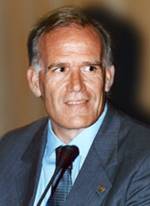
빅터 데이비드 핸슨 美 후버연구소 역사학자
국제적인 위기사태 개입 문제가 제기될 때마다 미국은 해도 비판 받고 안 해도 비판 받는다. 미국의 정책을 비판하는 사람들은 망설이는 법이 없다. 오늘날 세계화 시대에 비판자들은 갈수록 조급해지고 있다.
변화한 것이 세계의 지정학 지도만은 아니다. 세계의 모든 지역 주민들도 변했다. 세계화로 많은 사람들이 믿을 수 없을 만큼 부유해졌지만 또한 완벽에 대한 사람들의 요구도 커졌다. 일주일 내내 24시간 통신이 가능해진 덕분에 기대 충족이 안 된 사실을 누구나 즉시 알게 된다.
세계의 대중은 파키스탄의 지진, 인도네시아의 쓰나미, 다르푸르의 전쟁 등 가공할 사태가 발생하면, 휴대전화로 디지털 사진을 전송하고 컴퓨터로 인터넷 정보를 검색하듯 사태가 신속히 해결되기를 기대한다. 사태 해결의 지연은 불가피하다. 그럴 경우 미국은 손가락질을 받는다.
이라크는 30년 동안 폭정에 시달렸고 그 폭정의 결과로 지금 적대세력들이 사분오열돼 있다. 그런 나라에서 민주주의를 손쉽게 육성하는 것은 막강한 미국조차도 할 수 없는 일이다. 손가락으로 단추를 눌러 북한이나 이란의 핵 시설을 파괴하는 초강력 광선무기는 존재하지 않는다. 다르푸르의 비극은 미국이 단독으로 개입하든 대규모 연합군이 동원되든 유감스럽게도 혼란과 유혈 사태가 지속될 가능성이 크다.
여러 가지 면에서 세계인들의 미국에 대한 의존은 구 소련 붕괴 이후 증가일로에 있다. 그러나 과거 종족 및 종교의 불평불만을 억압했던 초강대국 중심의 세력권은 오늘날 존재하지 않는다. 대신 수많은 살인자들이 아무도 무서워하지 않고 자유롭게 활동하고 있다. 핵무장한 이슬람 국가인 파키스탄에 숨어 있는 오사마 빈 라덴을 어떻게 잡을 수 있겠는가. 핵무장을 시도하는 공산주의 북한이 자유롭고 부유한 경쟁국인 일본을 위협하는 상황에서 어떻게 중국을 회유하여 북한의 그런 행동을 제지시킬 수 있겠는가.
세계가 더욱 복잡해진 것과 동시에 통신망이 발달된 세계의 청중은 더욱 조급해지고 요구는 많아졌으며 일관성이 약화되었다. 부시 미 행정부가 2003년 3월 이라크를 침공했을 때 미국은 오랜 동맹국들을 외면하고 유엔을 무시했다는 비난을 받았다. 그리하여 신중해진 미국이 다음 위기 때 핵무기 개발과 관련된 이란의 불법행위 감시를 유엔에 의뢰했다. 미국은 소위 EU 3이라고 불리는 영국, 프랑스, 독일에 테헤란을 설득하도록 부탁했다. 그러나 이 모든 포용외교에도 불구하고 이란은 자국의 핵무기 개발계획을 계속 추진했다.
세계의 또 다른 지역에서는 북한이 미사일 추가발사를 위협함에 따라 미국은 중국, 일본, 북한, 한국, 러시아, 미국이 참여하는 소위 6자 회담을 통해 지역적인 해결책을 찾으려고 시도했다. 그러나 여기서도 별 진전이 없자 조급한 비판자들은 태도를 일변했다. 비판자들은 직무를 태만히 하는 부시 행정부가 해결책 강구를 "아웃소싱"한 채 지도력 발휘의 책임을 포기했다고 아우성쳤다.
우리는 다르푸르의 대량학살 사태에서도 그런 경우를 목격했다. 당시 지구촌은 미국의 즉각 대응을 요구했다. 그러나 과거 카우보이식 행동을 했다고 비판 받아 소심해진 보안관 미국은 선제조치를 취하지 않았다. 이라크나 아프간이 혼란상태로 간주되는 판에 알 카에다가 성전 강화를 공약하는 그 지역에 미 해병대를 투입할 경우 어떤 사태가 벌어지겠는가.
이처럼 미국에 하라 혹은 하지 말라식의 정신분열증적인 요구의 목록은 끝이 없다. 미국은 사담 후세인 이라크 대통령의 이라크로부터 사우디아라비아 왕정을 보호하기 위해 그 나라에 군대를 배치했다. 그러나 사담을 제거하자 사우디 왕가는 훨씬 위험한 이란을 강하게 만들었다고 미국을 비난했다.
오늘날 기술적으로 연결되고 정치적으로 분열된 세계에서는 적은 비용이 드는 흑백논리식의 간단한 해결책은 존재하지 않는다. 세계의 조급한 신세대는 이러한 진실을 받아들이기가 어려울지 모른다.
워싱턴 타임스
정리=오성환 외신전문위원
Global schizophreniaBy Victor Davis HansonTHE WASHINGTON TIMESPublished January 13, 2007
When it comes to intervening in international affairs, the United States is damned when it does and damned when it doesn''t. Critics of U.S. policy are always quick to pounce -- and in this age of globalization, they''re only getting more impatient.
It''s not just the global geopolitical map that has changed; people everywhere have, too. Globalization has enriched the planet beyond belief, leading to ever-increased demands of perfection. Thanks to 24/7 communications, we all instantly know when these expectations aren''t met.
The world''s public expects that frightening problems, whether an earthquake in Pakistan, an Indonesian tsunami or a war in Darfur, will be resolved as quickly as a cell phone can transmit a digital photograph or a computer can retrieve information from the Internet. And fingers are pointed at the U.S. when, inevitably, this doesn''t happen.
Yet no one, not even the all-powerful United States, can easily foster democracy in a country that suffered from 30 years of atrocities -- and is now bitterly divided as a result of those atrocities. There is no super-ray that knocks down Korean or Iranian nukes with the touch of a finger. And the tragedy in Darfur sadly may remain a bloody mess whether the U.S. pre-empts, goes it alone or brings in an enormous coalition.
In many ways, the global reliance on the U.S. has only increased since the fall of the Soviet Union. While no one would wish to revisit the Cold War, Moscow, ruling with an iron fist, put down tribal and religious malcontents in its sphere of influence. Today, there are no superpower blocs; instead a multitude of freelancing killers have been unleashed with nothing much to fear from anyone. How, after all, can one arrest Osama bin Laden hiding out in an Islamist and nuclear Pakistan? How does one entice nuclear China to force allied, communist and nuclear North Korea not to threaten a free, rich and rival Japan?
And at exactly the time the world has become more complex, the wired global audience is more impatient, demanding -- and inconsistent. When the Bush administration invaded Iraq in March 2003, it was accused of ignoring old allies and snubbing the U.N. Thus, in the next crisis, a wary United States waited on the U.N. to monitor Iran''s nuclear delinquency. With multilateral deference, it also called upon Britain, France and Germany -- the so-called EU3 -- to reason with Tehran. But for all the inclusive diplomacy, Iran barrels ahead with its nuclear program.
In another part of the world, as North Korea threatened to launch more missiles, America tried to find regional solutions -- the so-called six-party talks involving China, Japan, North Korea, South Korea, Russia and the United States. But nothing much happened here, either, and impatient critics did an about-face: They screamed that the asleep-at-the-wheel Bush administration was "outsourcing" solutions and abdicating its responsibility to lead.
We''ve seen that in Darfur as well, where the global village has clamored for the U.S. to do something right away about the genocide. But, apparently stung by past charges of cowboyism, a gun-shy American sheriff has opted not to act pre-emptively. If we think Afghanistan or Iraq is chaotic, imagine airlifting Marines into the Horn of Africa to save victims of tribal and religious killers -- as al Qaeda promises more jihadist reinforcements.
The roster of this do/don''t schizophrenia is endless. We once had troops in Saudi Arabia to protect the monarchy there from Saddam. But once we removed that threat, the monarchy charged we had only empowered a far worse Iran. We were supposedly once too cynically disengaged from the Middle East, but now our efforts to promote democracy there only elected the terrorists of Hamas.
It may be hard for the world''s new impatient generation to accept the truth: There are no simple black-and-white solutions at little cost in today''s technologically connected but politically fragmented world. Restless Americans and a demanding global public must to accept that in Afghanistan, Darfur, Lebanon, Iran, Iraq, North Korea, Somalia and the West Bank, the United States itself -- not just the bogeyman George Bush -- has only bad and far worse choices.
What sometimes works against jihadists and tyrants in one place won''t always in others. Unilateral, multilateral, react or pre-empt -- these have no innate moral value but are just differing strategies for a baffling multitude of new problems that all defy a cookie-cutter approach. After September 11, 2001, caution in the long run may prove deadlier than intervention has in the short term. People will die daily on CNN no matter what we do.
The only constant in this wired-together but split-apart global family? The frantic American parent will try its best, as it is blamed for saying no, yes -- and everything in between.
Victor Davis Hanson is a classicist and historian at Stanford University''s Hoover Institution and author, most recently, of "A War Like No Other: How the Athenians and Spartans Fought the Peloponnesian War."
pounce;갑자기 달려들다 /atrocity;포악, 잔학행위 /retrieve:인터넷 검색하다 /malcontent:불평하는, 반항하는 /reason with;설득하다, 이치를 따져 설명하다 /be at the wheel:권력을 잡다 /pre-empt:선수치다
ⓒ 세계일보&세계닷컴(www.segye.com), 무단전재 및 재배포 금지
<세계닷컴은 한국온라인신문협회(www.kona.or.kr)의 디지털뉴스이용규칙에 따른 저작권을 행사합니다.>
Copyright © 세계일보. 무단전재 및 재배포 금지.
- 54년 ‘솔로 침묵’ 깬 ‘무적’ 심권호…간암 극복 끝에 털어놓은 뭉클한 꿈
- “걱정 마요”…박보검·송중기·김혜수, 촬영장에서 드러난 진짜 인성
- 교통사고 3번, 부서진 커리어…조용원이 선택한 가장 완벽한 ‘퇴근’
- "계좌 불러라" 폐업날 걸려온 전화...양치승 울린 박하나의 '묻지마 송금'
- “종이컵 핫커피, 15분 지나면 마시지 마세요”…혈관 파고드는 ‘70만 개 플라스틱’의 정체 [라
- "62세 맞아? 여전히 컴퓨터 미인"…황신혜의 아침 식단은 '요거트와 친구들' [라이프+]
- "초콜릿보다 짜릿"…억만장자 잭 도시의 ‘얼음물’ 루틴이 과학적인 이유
- "바질 비켜!”…알고 보니 달래는 파스타 재료였던 건에 관하여 [FOOD+]
- 이재용 32조 탈환 이끈 'AI 반도체'…골프장은 왜 삼성이 압도적 1위일까?
- "클리너 부어도 소용없다"…세탁기 속 '곰팡이 요새' 스파이더를 아십니까? [라이프+]