[해외논단]미국의 풍요, 탄탄대로인가
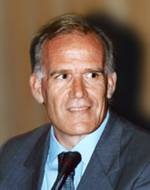
빅터 데이비스 핸슨 美 후버연구소 연구원
미국은 중국에 수십억달러의 채무를 지고 있는 것이나, 석유 수요가 일부 '불량국가'들을 배불리고 있는 것이나, 매년 되풀이되는 재정적자로 국가부채가 점점 늘어나는 것에 대해 별로 걱정하지 않는 듯하다.
냉전 종식후 눈부신 경제발전
이런 것들을 걱정해야 하는 이유는 무엇인가. 미국인들은 지난 25년간 풍요로운 삶을 누려왔다. 실업률은 한 번도 5%를 넘지 않았고 금리는 거의 언제나 일정하게 낮은 수준을 유지했으며, 인플레율이 낮고 경제는 꾸준히 성장하는 한편 정부의 권한은 커져 왔다. 두 자릿수의 높은 금리나 실업률, 인플레율, 그리고 닉슨 행정부와 카터 행정부 때 있었던 스태그플레이션 등은 오랜 과거의 일로 치부됐다.
냉전 종식 이후 눈부신 경제적 성과와 휴대전화, 인터넷, 고화질 TV, 아이팟 등을 만들어낸 기술의 발전은 인류의 삶을 풍족하게 만들어주었다. 20억명에 달하는 중국과 인도의 노동자들이 세계 자본주의 체제에 편입되고 대출이 쉬워지면서 미 소비자들은 그 어느 때보다도 물질적으로 풍요롭게 됐다.
요즘은 중산층까지도 누구나 사치품을 쓴다. 잡지들은 대리석으로 부엌을 개조하고 사치스러운 가전제품들을 들여놓으라고 권유하고 있다. 교외에 조성된 주택단지들에도 화려한 욕실과 정원은 필수적이다. 차고도 이제는 한 대뿐만이 아니라 두 대 이상 서너 대를 주차하도록 지어지고 있다.
이러한 풍요는 어떤 결과를 가져올 것인가.
미국의 젊은 세대는 풍요로움에 감사하는 마음을 잃게 됐다. 미국 경제가 이룬 놀라운 성과에 대해 누구도 로널드 레이건 전 대통령과 빌 클린턴 전 대통령, 그리고 조지 W 부시 대통령에게 공을 돌리려 하지 않는다. 대신 이런 풍요로운 생활을 타고난 것으로 여기게 됐다.
또 모든 일에 즉각적인 성공을 기대하게 됐다. 따라서 미 언론들은 대부분 현재 중동에서의 전쟁에 지쳤으며, 많은 사람들의 자유를 위해 대규모 인명 피해를 부르는 것은 가치 없는 일이라고 생각하고 있다. 그러나 이라크와 아프가니스탄의 피해를 다 합쳐도 베트남에서의 피해에 훨씬 못 미친다.
젊은세대 감사하는 마음 잃어
2001년 9·11테러 공격 5주년이 다 돼가지만 대부분의 사람들은 테러 공격의 위험성을 잊고 말았다. 미 국민들은 국가 지도자들이 엄청난 살인을 저지르는 이슬람 테러분자들보다 위험하다고 생각하는 듯 애국법이나 비밀도청을 더 우려하고 있다.
그러나 과거의 풍요로운 사회들이 그랬듯이, 우리의 풍요로운 삶도 언젠가는 끝나게 될 것이 아닌가. 알카에다가 뉴욕증권거래소를 공격하거나 북한의 미사일이 아무 예고 없이 미 서부의 어느 도시를 공격하는 것을 한번 상상해 보라. 중국이 어느 날 갑자기 막대한 보유 달러를 내다판다면 어떻게 될 것인가. 아니면 1970년대와 같은 경기침체가 다시 닥친다면 어쩔 것인가. 번영과 물질적 풍요와 평화에만 익숙한 미국의 젊은 세대들이 무엇을 할 수 있을 것인가.
겉으로 드러나는 풍요에도 불구하고 많은 미국인들은 빚더미에 올라앉아 결제 불능 상태에 있다. 역사적 기준으로 볼 때 그들은 무기력하다. 문명의 꺼풀만 벗겨내면 살아남을 미국인들은 많지 않다.
테러·경기침체등 위험 대비를
우리는 문명이 항상 진보만 하는 것이 아니라 주기적으로 부침을 거듭한다는 것을 잊어서는 안 된다. 사람들이 책임질 수 없는 요구를 하거나, 투자에 대비해 절약하는 대신 현재의 소비에만 매달리거나, 자신들의 문화를 지켜내려는 노력을 기울이지 않는다면 풍요로운 삶은 갑작스럽게 사라질 수 있다.
미국인들은 매우 풍요롭지만 동시에 매우 위험하기도 한 현시대를 매우 조심스럽게 살아야만 한다.
워싱턴 타임스
정리=유세진 객원편집위원
Fragility of the good lifeBy Victor Davis HansonPublished July 29, 2006
We Americans don''t seem to worry that we owe billions of dollars to the Chinese, or that our oil hunger is enriching hostile rogue regimes, or that our annual budget deficit keeps adding to our national debt.
Why fret now? For nearly a quarter-century, Americans have come to expect the good life. Unemployment should never go above 5 percent. Interest rates are expected to be always around the same low percentages, inflation even lower -- and all this accompanied by steady growth in the economy and expanding government entitlements. Double-digit rates of interest, unemployment and inflation -- the stagflation that characterized the Nixon and Carter administrations -- are apparently ancient history.
Along with the amazing performance of the post Cold-War economy, technology has made the basics of life far more enjoyable -- cell phones, the Internet, high-definition cable television, iPods and the like. The entrance of 2 billion workers in China and India into the global capitalist system, along with easy credit, makes material goods more accessible to the consumer than ever.
Luxury is now available to the middle class. Magazines are devoted to remodeling kitchens with granite tops and tony stainless steel appliances. Suburban tract houses often have both hot tubs and gardeners. Garages now appear in new developments with not one but two garage doors -- and sometimes three or four.
What are the consequences of this affluence?
For starters, a certain lack of appreciation of our bounty. No one praises Ronald Reagan, Bill Clinton or the current President Bush for the past amazing performance of the U.S. economy. Instead, it''s taken as America''s new birthright.
We expect almost instantaneous success in everything we do. Most in the media are thus tired of the present wars in the Middle East and think the enormous human cost is not worth the goal of freedom for millions, even though we have suffered far fewer fatalities in Iraq and Afghanistan than a generation sacrificed in Vietnam.
As we near the fifth anniversary of the September 11, 2001, most have forgotten the dangers of a terrorist attack. Often the public appears to worry more over the Patriot Act and wiretaps, as if our own leaders pose a greater threat to the United States than do mass-murdering Islamist terrorists.
But could our good life really sometime come to an end -- as the histories of past affluent societies suggest it will? Imagine al Qaeda attacking the New York Stock Exchange or an unexpected North Korean missile taking out a West Coast city. What if Beijing suddenly had to sell off billions of its accumulated American dollars? Or how about a good old 1970s-style recession in which interest rates hit 20 percent, with inflation and unemployment each hovering near 10 percent? What would millions of younger Americans do -- people who have known only the prosperity, material surfeit and mostly peace and security of the 1980s and 1990s?
Prosperity can also be deceiving. Many Americans, despite superficial affluence, are in debt and often a paycheck away from insolvency. By historical standards, they are pretty helpless. Most of us can''t grow our own food, don''t know how cars work and have no clue where or how electricity is generated. In short, few have the smarts to survive if the thin veneer of civilization were lost, as it has been from time to time in places like downtown New Orleans.
Think back to the Roman era of the "Five Good Emperors" -- between A.D. 96-180 under the reigns of Nerva, Trajan, Hadrian, Antonious Pius and Marcus Aurelius -- when all problems of their own turbulent past at last seemed to have been solved. There was a general peace, ever more prosperity from Mediterraneanwide trade, and a certain boredom and occasional cynicism among the Roman elite. Few then had any idea three centuries of war, revolution, poverty and scary emperors like Commodus and Caracalla awaited their descendants -- all a prelude to a later general collapse of Roman society itself.
In our own new age of war, terrorism, huge debt, high-priced gas and frightful weapons and viruses that we try to ignore, we should remember that civilization''s progress is not always linear. The human condition does not inevitably evolve from good to better to best, but always remains precarious, its advances cyclical.
The good life sometimes can be lost quite unexpectedly and abruptly when people demand rights more than they accept responsibilities, or live for present consumption rather than sacrifice for future investment, or feel their own culture is not so exceptional and therefore in no need of constant support and defense.
We should tread carefully in these challenging days of our greatest wealth -- and even greater vulnerability.
Victor Davis Hanson is a classicist and historian at Stanford University''s Hoover Institution and author of "A War Like No Other: How the Athenians and Spartans Fought the Peloponnesian War."
▲fret:초조해 하다
▲entitlement:자격, 권한
▲tony:고상한, 사치스러운
▲tract house:주택단지를 조성해서 파는 주택
▲for starter:우선, 먼저
▲instantaneous:즉시의, 동시적인
▲veneer:얇은 판, 겉치장, 허식
ⓒ 세계일보&세계닷컴(www.segye.com), 무단전재 및 재배포 금지
<세계닷컴은 한국온라인신문협회(www.kona.or.kr)의 디지털뉴스이용규칙에 따른 저작권을 행사합니다.>
Copyright © 세계일보. 무단전재 및 재배포 금지.
- 계약금보다 ‘스태프’…혜리·박지훈·GD가 보여준 ‘동행의 가치’
- “내가 암에 걸릴 줄 몰랐다”…홍진경·박탐희·윤도현의 ‘암 투병’ 기억
- 100억 쓰던 ‘신상녀’ 300원에 ‘덜덜’…서인영 “명품백 대신 가계부 쓴다”
- “통장 깔까?” 1300억 건물주 장근석의 서늘한 응수…암 투병 후 악플러 ‘참교육’한 사연
- "故 전유성, 지금까지 '잘 놀았다'고"…최일순, 유작 작업 중 그리움 드러내
- “깨끗해지려고 썼는데”…물티슈, 항문 더 망가뜨리는 이유 있었다
- “밤에 2번 깨면 다르다”…피곤인 줄 알았는데 ‘야간뇨 신호’였다
- "계좌 불러라" 폐업날 걸려온 전화...양치승 울린 박하나의 '묻지마 송금'
- "한석규 선배의 그 한마디가…" 안효섭, 대세 배우가 허영심을 경계하는 진짜 이유
- 54년 ‘솔로 침묵’ 깬 ‘무적’ 심권호…간암 극복 끝에 털어놓은 뭉클한 꿈